Tinctura de Hongo Melena de León: La Guía Completa para Elegir, Usar y Obtener Resultados Reales
By Josh Shearer on 04/02/2026
Tu cerebro merece más que una afirmación de marketing en una botella. Aquí está lo que realmente importa al elegir una tintura de Melena de León: la ciencia, los métodos de extracción y lo que separa un suplemento potente de un placebo costoso.
¿Qué es el hongo melena de león?
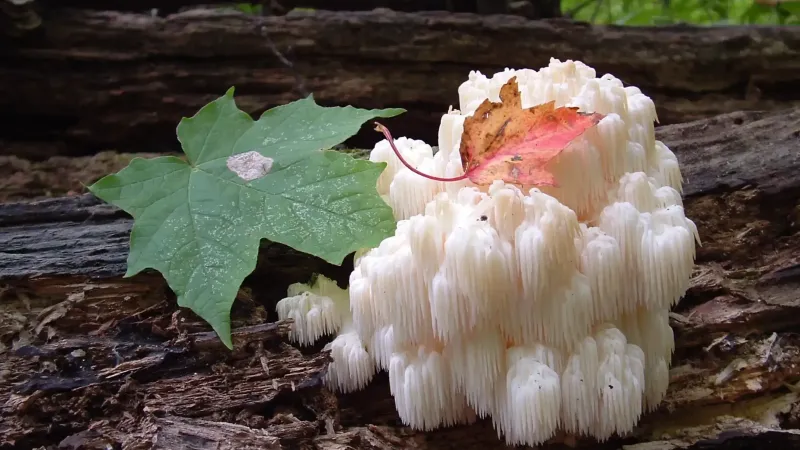
Melena de león (Hericium erinaceus) es un hongo peludo y blanco que crece en árboles de madera dura en toda América del Norte, Europa y Asia. Se parece a una cascada de carámbano blanco —nada parecido a un hongo típico de sombrero y tallo— y se ha utilizado en la medicina tradicional china y japonesa durante siglos.
Lo que hace que la melena de león sea genuinamente única en el mundo de los hongos funcionales es su perfil nootrópico. Mientras que la mayoría de los hongos medicinales son valorados principalmente por el apoyo inmunológico (beta-glucanos), la melena de león contiene compuestos que apoyan directamente el cerebro y el sistema nervioso de maneras que ningún otro hongo lo hace.
Las dos familias de compuestos que más importan son hericenonas (encontradas en el cuerpo fructífero) y erinacinas (encontradas en el micelio). Ambos estimulan la producción de Factor de Crecimiento Nervioso (NGF) — una proteína que tu cuerpo utiliza para crecer, mantener y reparar neuronas. Este no es un efecto sutil: en estudios de laboratorio, se ha demostrado que las hericenonas y las erinacinas aumentan la síntesis de NGF en las células nerviosas a concentraciones tan bajas como 33 µg/mL.
Ese mecanismo de NGF es la razón por la que la melena de león ha atraído la atención seria de la investigación —no solo de marcas de suplementos, sino de laboratorios de neurociencia en instituciones que estudian la enfermedad de Alzheimer, el deterioro cognitivo y la reparación del sistema nervioso.
¿Qué hace realmente la melena de león? (Lo que muestran las investigaciones)
Las afirmaciones sobre la melena de león varían de razonables a exageradas dependiendo de dónde mires. Esto es lo que la evidencia realmente apoya, clasificada por fuerza:
Salud cerebral y función cognitiva — Fuerte evidencia preclínica, creciente evidencia clínica
El área de investigación más fuerte. Múltiples estudios han demostrado que los compuestos de la melena de león estimulan el NGF y el Factor Neurotrófico Derivado del Cerebro (BDNF) —dos proteínas críticas para neuroplasticidad, formación de memoria y supervivencia neuronal.
Hallazgos clave:
- Un estudio de 2020 en Frontiers in Aging Neuroscience encontró que la suplementación con 1 gramo/día de Lion's Mane durante 49 semanas mejoró significativamente las puntuaciones en pruebas cognitivas en pacientes con enfermedad de Alzheimer leve en comparación con el placebo.
- Un estudio doble ciego, aleatorizado y controlado con placebo de 2025 publicado en Frontiers in Nutrition probó un extracto estandarizado de Lion's Mane cuerpo fructífero en adultos jóvenes sanos. Los participantes mostraron mejoras medibles en la velocidad de procesamiento cognitivo después de una sola dosis.
- Un ensayo clínico japonés anterior de 2009 con 30 adultos mayores con deterioro cognitivo leve encontró mejoras significativas en las escalas de función cognitiva después de 16 semanas de suplementación, aunque los beneficios disminuyeron tras la interrupción.
El mecanismo: Los hericenonas y erinacinas cruzan la barrera hematoencefálica y estimulan la síntesis de NGF en el hipocampo, la región del cerebro responsable de la consolidación de la memoria y el aprendizaje. En ratones, el Lion's Mane oral aumentó la expresión de ARNm de NGF en el hipocampo después de solo siete días.
Estado de ánimo y estrés — Prometedor pero temprano
Los estudios en animales muestran que los extractos de Lion's Mane reducen la ansiedad a través de la neurogénesis hipocampal y la modulación del eje HPA (el sistema de respuesta al estrés del cuerpo). Un pequeño estudio humano de 2010 con mujeres menopáusicas encontró una reducción de la irritación y la ansiedad autoinformadas después de cuatro semanas.
Una revisión sistemática de 2025 en Frontiers in Pharmacology confirmó estos mecanismos, señalando que Lion's Mane ayuda a normalizar las elevaciones de cortisol inducidas por el estrés. Sin embargo, aún faltan ensayos humanos a gran escala específicamente para el estado de ánimo.
Apoyo del sistema nervioso — Fuerte preclínico
Aquí es donde la singularidad del Lion's Mane realmente se muestra. La investigación sobre la regeneración nerviosa y la mielinización (el aislamiento alrededor de las fibras nerviosas) es convincente:
- El extracto de Lion's Mane aceleró la mielinización de las células nerviosas en células cerebelosas cultivadas.
- La erinacina A redujo la pérdida de células dopaminérgicas en modelos de enfermedad de Parkinson.
- En modelos de lesión nerviosa, el Lion's Mane estimuló el crecimiento y la reparación de nervios.
Las aplicaciones clínicas para lesiones nerviosas en humanos aún se están estudiando, pero el mecanismo biológico está bien caracterizado.
Salud Inmunológica y Digestiva — Bien Soportada
Como otros hongos medicinales, el Melena de León contiene polisacáridos beta-glucanos que modulan la función inmunológica. Además, apoya el eje intestino-cerebro a través de compuestos prebióticos que promueven bacterias intestinales beneficiosas. La investigación muestra que puede proteger el revestimiento del estómago al inhibir H. pylori el crecimiento y reducir el daño a las membranas mucosas.
Lo que el Melena de León No Hará
El Melena de León no es un estimulante. No te dará un impulso de energía inmediato como la cafeína. Sus beneficios se acumulan con el uso diario constante: la mayoría de los estudios que muestran efectos cognitivos utilizaron períodos de tratamiento de al menos cuatro semanas a 49 semanas. Si alguien promete que "lo sentirás" en el primer día, sé escéptico.
También es importante señalar: la FDA no ha aprobado el Melena de León para el tratamiento de ninguna enfermedad. La investigación es prometedora, pero no concluyente para la mayoría de las aplicaciones terapéuticas.
Por Qué el Método de Extracción Es Todo
Aquí está la parte en la que la mayoría de las marcas no quieren que pienses demasiado: no todos los suplementos de Melena de León son iguales, y la diferencia se reduce a la extracción.
Los compuestos más valiosos del Melena de León tienen diferentes solubilidades. Los beta-glucanos se disuelven en agua. Los hericenones y erinacinas se disuelven en alcohol. Si tu suplemento utiliza solo un método de extracción, estás obteniendo la mitad de la historia.
Extracción con Agua Caliente
Lo que captura: Beta-glucanos, polisacáridos, compuestos prebióticos
Lo que pierde: Hericenones, erinacinas, triterpenos, esteroides
La extracción con agua caliente es el método más común en suplementos baratos. Produce un producto que apoya la función inmunológica, pero en gran medida pierde los compuestos nootrópicos que hacen que el Melena de León sea especial. Un extracto de Melena de León solo con agua caliente es esencialmente lo mismo que cualquier otro suplemento inmunológico de hongo medicinal.
Extracción con Alcohol (Ethanol)
Lo que captura: Hericenones, erinacinas, triterpenes, esteroides, antioxidantes solubles en grasa
Lo que pierde: Muchos polisacáridos y beta-glucanos solubles en agua
La extracción con alcohol aísla los compuestos activos en el cerebro. Esto es crítico: sin extracción con alcohol, no puedes acceder al perfil nootrópico completo del Melena de León. Los hericenones y erinacinas que estimulan la producción de NGF son solubles en alcohol, y ninguna cantidad de agua caliente los extraerá.
Extracción Dual (El Estándar de Calidad)
Las mejores tinturas de Lion's Mane combinan ambos métodos: una prolongada maceración en alcohol seguida de una decocción en agua caliente, y luego fusionando ambos extractos. Esto captura el espectro completo de compuestos bioactivos en un solo producto.
La mayoría de las marcas reputables (North Spore, Birch Boys, Cascadia Mushrooms) utilizan este enfoque, típicamente con una maceración en alcohol de un mes y una posterior decocción en agua caliente.
Extracción Triple (El Estándar de Oro)
Una extracción triple va más allá al agregar un proceso de extracción ultrasónica — utilizando ondas sonoras de alta frecuencia para romper físicamente las paredes celulares de quitina del hongo antes o durante la extracción con solventes. La quitina es el polímero estructural resistente que retiene muchos de los compuestos bioactivos del Lion's Mane. Sin descomponerla, incluso la extracción dual deja algunos compuestos atrapados.
Lo que añade el tercer paso:
Método de Extracción | Compuestos Extraídos | Beneficios Clave |
|---|---|---|
Extracción de Alcohol Ultrasónica | Alcaloides, triterpenoides, polisacáridos | Mayor biodisponibilidad, absorción celular más profunda |
Extracción de Alcohol Soxhlet | Triterpenos, esteroides, aceites esenciales | Potentes efectos antiinflamatorios y adaptogénicos |
Beta-glucanos, polisacáridos | Propiedades fuertes de refuerzo inmunológico y antioxidantes |
El resultado es un extracto más concentrado y más biodisponible. Es más caro y requiere más tiempo para producir, por lo que la mayoría de las marcas no lo hacen. Pero la diferencia en potencia es medible.
Cómo Elegir un Tinctura de Melena de León de Calidad: 7 Cosas a Verificar
No todas las tinturas son creadas iguales. Aquí está lo que separa un producto potente y efectivo del marketing en un gotero:
1. Cuerpo Frutal vs. Micelio vs. Ambos
Cuerpo frutal (el hongo real) es rico en hericenonas. Micelio (la red de raíces) es donde se concentran las erinacinas. La investigación sugiere que ambos tienen valor neuroprotector, pero a través de diferentes compuestos.
Los productos que utilizan "100% cuerpo frutal" son una buena base — garantizan que no estás obteniendo relleno de grano que algunos productos de micelio sobre grano contienen. Sin embargo, un producto que incorpora tanto cuerpo frutal como micelio (extraído correctamente) puede capturar la gama más amplia de compuestos bioactivos.
Bandera roja: Si la etiqueta dice "grano miceliado" o "micelio sobre arroz," es posible que estés obteniendo principalmente almidón con un contenido fúngico mínimo.
2. Método de Extracción
Busca extracción dual como mínimo. La extracción triple es mejor. Si la etiqueta no especifica el método de extracción, eso es una bandera roja — probablemente significa que el producto es un simple extracto de agua caliente o un polvo molido, ninguno de los cuales accede completamente a los compuestos nootrópicos de la Melena de León.
3. Pruebas de Terceros
Las marcas de renombre prueban por:
- Concentración de compuestos activos (contenido de beta-glucano, idealmente 20%+)
- Metales pesados (plomo, cadmio, arsénico, mercurio)
- Contaminación microbiana
- Residuos de pesticidas
Si una marca no publica o pone a disposición su Certificado de Análisis (CoA), continúa.
4. Sin Rellenos, Granos o Aditivos Sintéticos
La lista de ingredientes debe ser corta: extracto de hongo, alcohol, agua. Tal vez glicerina orgánica si es una formulación sin alcohol. Si ves maltodextrina, dióxido de silicio, harina de arroz o "otros ingredientes" que ocupan más espacio que el hongo, está diluido.
5. Certificación Orgánica
Los hongos son bioacumuladores: absorben lo que hay en su entorno de crecimiento. La certificación orgánica (USDA o equivalente) asegura que los hongos no fueron expuestos a pesticidas, metales pesados en sustratos contaminados u otras toxinas ambientales.
6. Envase de Vidrio Oscuro
Los compuestos bioactivos en las tinturas de hongos se degradan con la exposición a la luz. Las botellas de vidrio ámbar u oscuro protegen la potencia. Las botellas de vidrio o plástico transparente son una señal de que la estabilidad en estante no fue una prioridad.
7. Transparencia en la Dosis
Sabe lo que realmente estás obteniendo por porción. Las buenas tinturas especifican el equivalente de peso seco de hongo por mililitro (por ejemplo, "333mg de peso seco por porción de 1mL") y la relación de extracción (por ejemplo, 1:3 o 1:5). Sin esta información, no puedes comparar productos de manera significativa.
Cómo Tomar Tintura de Melena de León — y Por Qué la Biodisponibilidad Importa Más Que la Dosis
La mayoría de las guías de suplementos saltan directamente a "toma X miligramos por día." Ese es el punto de partida equivocado. La verdadera pregunta no es cuánto Melena de León consumes — es cuánto absorbe y utiliza realmente tu cuerpo. Eso es biodisponibilidad, y es el único factor más importante que separa la suplementación efectiva de los desechos costosos.
El Problema de Biodisponibilidad con los Suplementos de Hongos
Las paredes celulares de los hongos están hechas de quitina — el mismo polímero resistente que se encuentra en las conchas de cangrejo y los exoesqueletos de insectos. Es uno de los materiales biológicos más estructuralmente rígidos de la tierra. Tu sistema digestivo puede descomponerlo parcialmente, pero no de manera eficiente. Cuando comes polvo de hongo crudo o seco, una parte significativa de los compuestos bioactivos encerrados dentro de esas paredes de quitina pasa a través de tu intestino sin ser absorbida.
Por eso el método de extracción importa aún más que la dosis de miligramos crudos. Una cápsula de 3,000mg de polvo de Melena de León molido puede entregar menos hericenonas y beta-glucanos utilizables a tu torrente sanguíneo que una tintura equivalente de 500mg donde la quitina ha sido descompuesta a través de la extracción.
Cómo se compara cada formato de suplemento
Formato | Biodisponibilidad | Por qué |
|---|---|---|
Polvo de hongo crudo/seco | Bajo | Las paredes celulares de quitina están intactas; el sistema digestivo solo puede acceder parcialmente a los compuestos. Se necesita una dosis alta para compensar. |
Extracto de agua caliente (polvo o cápsula) | Moderado | El calor rompe parte de la quitina y disuelve los beta-glucanos solubles en agua. Se pierden completamente los compuestos nootrópicos solubles en alcohol. |
Tintura de extracción dual | Alta | La maceración en alcohol + la decocción en agua caliente captura tanto los compuestos solubles en agua como los solubles en alcohol. El formato líquido elude algunas barreras digestivas. |
Tintura de extracción triple | La más alta | La extracción ultrasónica rompe físicamente las paredes celulares de quitina antes de la extracción con solvente, liberando compuestos atrapados que incluso la extracción dual estándar deja atrás. Combinada con fases de alcohol y agua caliente para un acceso de espectro completo. |
La clave es: una tintura bien extraída a una dosis de miligramos más baja puede superar a una cápsula mal extraída a una dosis más alta.La biodisponibilidad es el multiplicador que hace que todo lo demás funcione.
Por qué las tinturas líquidas se absorben más rápido que las cápsulas
Más allá del método de extracción, el formato líquido en sí ofrece ventajas de absorción. Cuando tomas una cápsula, tu cuerpo tiene que disolver la cáscara de la cápsula, descomponer la matriz de polvo y luego absorber los compuestos a través del revestimiento intestinal. Ese proceso toma de 30 a 60 minutos y se ve afectado por el pH del estómago, la comida en tu intestino y la salud digestiva individual.
Una tintura elude varios de esos pasos. Los compuestos ya están en solución — disueltos en alcohol y agua — listos para ser absorbidos en el momento en que contactan el tejido mucoso. La dosificación sublingual (mantener la tintura bajo la lengua durante 30 a 60 segundos antes de tragar) lleva esto más allá: el tejido delgado y rico en capilares debajo de la lengua permite la absorción directa en el torrente sanguíneo, omitiendo completamente el metabolismo de primer paso en el hígado.
Este es el mismo principio detrás de los medicamentos farmacéuticos sublinguales: la ruta de entrega importa tanto como el ingrediente activo.
Guías de dosificación
La mayoría de los estudios clínicos utilizaron dosis equivalentes a 500 mg–3,000 mg de Lion's Mane por día. Para una tintura correctamente extraída, esto típicamente se traduce en 1–3 goteros completos (1–3 mL) al día. Comienza en el extremo inferior y aumenta durante una semana a medida que tu cuerpo se ajusta.
Cuándo tomarlo: Lion's Mane no es sedante ni estimulante; funciona de manera diferente a la cafeína o a adaptógenos como la Rhodiola. Puedes tomarlo en cualquier momento del día sin interrumpir el sueño ni causar nerviosismo. Muchas personas lo incorporan en su rutina matutina: un gotero en café, té o un batido. Para una máxima velocidad de absorción, tómalo sublingualmente con el estómago vacío.
Consistencia sobre intensidad
Esta es la parte que la mayoría de las personas entiende mal. Lion's Mane no es un suplemento de efecto agudo. Sus beneficios cognitivos y neurológicos se construyen a través de mecanismos biológicos acumulativos: estimulación de NGF, neuroplasticidad apoyo y mejora gradual de la mielinización. Estos son procesos lentos y estructurales.
La evidencia clínica refleja esto. El ensayo japonés de 2009 mostró mejoras cognitivas significativas después de 16 semanas de uso diario, con beneficios que disminuyen tras la interrupción. El estudio de Alzheimer de 2020 utilizó un período de tratamiento de 49 semanas. Incluso el estudio de 2025 que mostró efectos agudos en adultos sanos notó que los beneficios eran medibles pero modestos después de una sola dosis, lo que implica que el uso sostenido amplifica el efecto.
Conclusión práctica: Comprométete a al menos 8–12 semanas de uso diario consistente antes de evaluar si Lion's Mane está funcionando para ti. El uso esporádico no producirá resultados significativos.
Combinando con otros hongos funcionales
Lion's Mane se dirige al cerebro y al sistema nervioso. Otros hongos funcionales se dirigen a sistemas complementarios, lo que los convierte en socios naturales para apilar:
- Reishi — calma el sistema nervioso, apoya la calidad del sueño, reduce el estrés a través de la modulación del eje HPA. Buen complemento por la noche para Lion's Mane por la mañana.
- Cordyceps — apoya la producción de energía mitocondrial y la utilización de oxígeno. Se combina bien para el rendimiento físico y la resistencia sostenida.
- Turkey Tail — potente modulador inmunológico a través del contenido de beta-glucano. Apoya el eje intestino-inmunidad.
- Chaga — alto en antioxidantes (particularmente melanina y superóxido de dismutasa). Apoya la reducción de la inflamación sistémica.
No hay interacciones negativas conocidas entre las especies de hongos funcionales. Muchos usuarios toman de 2 a 3 tinturas de hongos diariamente como parte de un protocolo de bienestar más amplio.
Seguridad y Consideraciones
Lion's Mane tiene un fuerte perfil de seguridad en la investigación disponible. Los efectos secundarios son poco comunes y generalmente leves — ocasional malestar digestivo (hinchazón, heces sueltas) al comenzar, que suele resolverse en unos pocos días.
Consulta a tu proveedor de atención médica antes de suplementar si:
- Tienes una alergia conocida a los hongos
- Estás embarazada o amamantando
- Tomas anticoagulantes (Lion's Mane puede tener propiedades anticoagulantes leves)
- Tomas medicamentos inmunosupresores
- Tienes una cirugía programada dentro de 2 semanas (interrumpe antes como precaución)
Lion's Mane no es psicoactivo y no contiene psilocibina ni psilocina. Es un suplemento dietético legal en todos los estados de EE. UU.
Lo que buscamos en los productos de nuestro mercado
En ShroomSpy, no solo listamos productos — los curamos. Cada tintura de Lion's Mane en nuestro mercado cumple con estos estándares:
- 100% cuerpo fructífero (cultivado orgánicamente o cosechado en la naturaleza)
- Extracción de espectro completo que captura tanto compuestos solubles en agua como en alcohol
- Probado por terceros para potencia y pureza
- Libre de rellenos, granos, micelio sobre grano o aditivos sintéticos
- Envase de vidrio ámbar oscuro para preservar la frescura y potencia
- Hecho por proveedores que hemos evaluado personalmente — productores de lotes pequeños que priorizan la calidad sobre el volumen
Nuestro Tinctura de Hongo Melena de León Triple Extracto va un paso más allá de la extracción dual estándar al agregar una fase de extracción ultrasónica que descompone las paredes celulares de quitina antes de la extracción con solventes, aumentando la biodisponibilidad y asegurando una absorción celular más profunda de los polisacáridos que apoyan el sistema inmunológico y de los hericenones activos en el cerebro.
Explorar Produtos de Melena de León →
Preguntas Frecuentes
¿Cuánto tiempo tarda en hacer efecto la tintura de Melena de León? La mayoría de las personas reportan mejoras sutiles en el enfoque y la claridad dentro de las 2–4 semanas de uso diario. Los beneficios estructurales para el cerebro (estimulación de NGF, apoyo a la mielinización) operan en escalas de tiempo más largas: los estudios clínicos que mostraron efectos cognitivos significativos utilizaron períodos de tratamiento de 16–49 semanas. Comprométete a al menos 8–12 semanas antes de evaluar.
¿Puedo tomar Melena de León todos los días? Sí — se recomienda el uso diario y así es como se realizaron todos los estudios clínicos. Los beneficios son acumulativos y se construyen con el tiempo. En el ensayo japonés de 2009, las mejoras cognitivas disminuyeron después de que los participantes dejaron de suplementar, lo que sugiere que el uso diario continuo es necesario para mantener los efectos.
¿Es una tintura realmente mejor que cápsulas o polvo? Para la Melena de León específicamente, sí — y la razón es la biodisponibilidad. Los compuestos nootrópicos más valiosos de la Melena de León (hericenones, erinacinas) son solubles en alcohol, lo que significa que requieren extracción con alcohol para acceder. Un polvo o cápsula solo de agua caliente se pierde completamente estos compuestos. Además, el formato de tintura líquida permite la absorción sublingual, llevando los compuestos a tu torrente sanguíneo más rápido que una cápsula que necesita ser digerida primero. Consulta la tabla de comparación de biodisponibilidad arriba para un desglose detallado.
¿Qué significa "extracción triple"? La extracción dual estándar combina un remojo en alcohol con una decocción en agua caliente para capturar compuestos solubles en grasa y en agua. La extracción triple agrega una fase ultrasónica — utilizando ondas sonoras de alta frecuencia para romper físicamente las paredes celulares de quitina antes de la extracción con solventes. Esto libera compuestos que permanecen atrapados incluso después de la extracción dual estándar, resultando en un producto final más concentrado y biodisponible.
¿Interfiere la Melena de León con medicamentos? No hay interacciones medicamentosas ampliamente documentadas, pero la Melena de León puede tener propiedades anticoagulantes leves. Si tomas anticoagulantes, inmunosupresores o medicamentos para la diabetes, consulta a tu médico antes de comenzar la suplementación.
¿Es la Melena de León psicoactiva? No. La Melena de León no contiene psilocibina, psilocina ni otros compuestos psicoactivos. Es un suplemento de hongo funcional legal disponible sin receta.
¿Ayuda la Melena de León con el TDAH o la niebla cerebral? Muchos usuarios reportan mejoras en el enfoque y la claridad mental, lo que se alinea con el mecanismo estimulante de NGF de la Melena de León y sus efectos en la función hipocampal. Sin embargo, no se han estudiado específicamente ensayos clínicos de la Melena de León para el TDAH. No debe considerarse un reemplazo para el tratamiento prescrito, pero algunas personas lo encuentran un apoyo complementario útil.
¿Puedo tomar demasiada Melena de León? La mayoría de las investigaciones apoyan mantenerse por debajo de 3,000 mg por día equivalente. Con dosis normales de tintura (1–3 mL diarios), estás bien dentro de los rangos estudiados. Dosis más altas pueden aumentar la posibilidad de efectos secundarios digestivos leves. No hay casos documentados de toxicidad grave por Melena de León en la literatura publicada.
Products
Preguntas frecuentes
La Melena de León es única por su perfil nootrópico, que apoya directamente al cerebro y al sistema nervioso. Contiene dos familias de compuestos, hericenonas (en el cuerpo fructífero) y erinacinas (en el micelio), que estimulan el Factor de Crecimiento Nervioso (NGF), una proteína que el cuerpo utiliza para crecer, mantener y reparar neuronas. La mayoría de los otros hongos medicinales son valorados principalmente por su apoyo inmunológico a través de beta-glucanos en lugar de este mecanismo activo en el cerebro.
Referencias
- Amaranthus, M. (2025). Melena de león para tu cerebro y cuerpo. .
- Opanuga, I. & Hossain, M. F. (2024). Explorando los beneficios cognitivos y otras ventajas únicas para la salud del hongo melena de león: una revisión sistemática. El Diario Americano de Medicinas Naturales, Hechos.
- Bizjak, M. (2024). Efecto de la suplementación con Hericium erinaceus enriquecido con erinacina A en la cognición: Un estudio piloto aleatorizado, doble ciego y controlado con placebo.. .
- Roda, E. (2021). Los metabolitos neuroprotectores de Hericium erinaceus promueven un envejecimiento neuro-saludable.. .
- Saitsu , Y. (2019). Mejora de las funciones cognitivas mediante la ingesta oral de Hericium erinaceus. .
- (2016). El micelio de Hericium erinaceus enriquecido con erinacina A mejora las patologías relacionadas con la enfermedad de Alzheimer en ratones transgénicos APPswe/PS1dE9.. .
- Mori, K. (2009). Mejorando los efectos del hongo yamabushitake (Hericium erinaceus) en el deterioro cognitivo leve: Un ensayo clínico doble ciego controlado con placebo.. .