Unlocking the Healing Power of Medicinal Mushrooms: A Comprehensive Guide
Discover the science-backed health benefits of medicinal mushrooms including Reishi, Lion's Mane, Turkey Tail, and more. Learn how to incorporate them into your wellness routine.
Something remarkable is happening at the intersection of ancient wisdom and modern science. Medicinal mushrooms — used for thousands of years in Asian traditional medicine — are now among the most actively researched functional foods in the world. A single species like Ganoderma lucidum (Reishi) commands over $2 billion in annual global sales. Clinical trials are running at institutions from Kyushu University to the University of Texas MD Anderson Cancer Center. And mainstream wellness culture has fully embraced mushroom coffee, capsule supplements, and tinctures.
But what does the research actually say? This guide cuts through the noise to explore what we genuinely know about the top medicinal mushrooms, the compounds responsible for their effects, how to incorporate them safely, and what to look for when choosing a quality product.
Whether you're new to functional fungi or deepening your knowledge, browse all species on ShroomSpy to connect what you read here with the broader world of mushrooms.
Top Medicinal Mushrooms and Their Health Benefits
Reishi (Ganoderma lucidum) — The Mushroom of Immortality
Known in Japan as Reishi or Mannetake ("10,000 year mushroom") and in China as Ling Zhi ("spirit mushroom"), Reishi is arguably the most studied medicinal mushroom on the planet. According to mycologist Martin Powell's Medicinal Mushrooms: A Clinical Guide, Reishi's wide-ranging benefits stem from two primary compound families: polysaccharides (with fruiting bodies reported to contain up to 41% beta-glucan) and triterpenoids, of which over 130 distinct compounds have been identified, including the ganoderic and lucidenic acid families.
Those triterpenoids demonstrate a striking range of biological activities in laboratory and clinical settings, including:
- Immune modulation — polysaccharide extracts have been shown to enhance natural killer (NK) cell activity and shift the immune profile in advanced lung cancer patients
- Liver support (hepatoprotection) — polysaccharide and triterpenoid components may protect against toxin-induced liver injury
- Cardiovascular support — ACE-inhibiting and cholesterol synthesis-inhibiting properties have been observed
- Anti-inflammatory effects — including inhibition of the NF-kB transcription pathway, which is overexpressed in various cancer cell lines
- Neuroprotection — Reishi extract research suggests potential inhibition of beta-amyloid synaptic toxicity, with implications for Alzheimer's disease research
- Adaptogenic and calming effects — traditionally prized by Daoist monks, the triterpenoid components may support sleep and reduce anxiety
A notable randomized, double-blind, placebo-controlled trial of 68 patients with advanced lung cancer found that Reishi extract stabilized disease in 35% of patients at 12 weeks versus 22% for placebo, while improving related symptoms like fatigue and insomnia in 43–84% of patients compared to 10–42% in controls (Robert Rogers, The Fungal Pharmacy).
Traditional dose ranges run 3–15g/day of crude Reishi in decoction form, or 1–3g/day of dual-extraction products. People on anticoagulant medications should consult a physician before use.
Shiitake (Lentinula edodes) — The Cholesterol Fighter
Shiitake is the world's second most cultivated mushroom and has one of the longest records of medicinal use in East Asia. Beyond its culinary value, research has identified several pharmacologically active compounds:
Lentinan, a (1→3)-β-D-glucan with (1→6)-β-D-glucosyl side chains, is perhaps Shiitake's most celebrated compound — an immune-stimulating polysaccharide with demonstrated antitumor activity.
Eritadenine (also called lentinacin or lentysine), an adenosine derivative, is responsible for Shiitake's well-documented cholesterol-lowering effects. Research going back to the 1960s in Japan showed Lentinula edodes significantly decreased cholesterol levels in animal models on high-fat diets. Subsequent studies on Lentinula extracts found a significant decrease in serum cholesterol in young women and people over 60 in Japan (Medicinal Mushrooms, Agrawal et al.).
Nucleic acid compounds from Lentinula edodes have also been found to inhibit platelet aggregation, suggesting potential cardiovascular protective effects.
Shiitake is one of the most accessible medicinal mushrooms — widely available fresh, dried, and as a supplement. You can find quality products at our mushroom shop.
Maitake (Grifola frondosa) — The Dancing Mushroom
Maitake — "dancing mushroom" in Japanese — is prized both as a culinary delicacy and for its distinctive beta-glucan fractions. The most studied of these is the MD-fraction, a xyloglucan and (1→6)-β-D-glucan with (1→3)-β-D-glucan side chains.
Research on Maitake's beta-glucans is particularly compelling in the context of immune and blood cell support. A phase II clinical study published in 2015 (Wesa et al.) examined G. frondosa beta-glucan in patients with a preleukemic myelodysplastic syndrome and found it may stimulate differentiation of haematopoietic progenitor cells, production of granulocyte colony-stimulating factor, and recovery of peripheral blood leukocytes after bone marrow injury (Medicinal Mushrooms, Agrawal et al.).
Maitake is also among the mushrooms highlighted in research for breast cancer inhibitory activity, alongside Reishi, Turkey Tail, Chaga, and Oyster mushroom — particularly through NF-kB pathway modulation (Rogers, The Fungal Pharmacy).
Lion's Mane (Hericium erinaceus) — The Brain Mushroom
If one mushroom has captured the imagination of the cognitive performance community, it's Lion's Mane. Its unique bioactive compounds — specifically cyathane diterpenes called erinacines (from the mycelium) and hericenones (from the fruiting body) — are among the most intensively studied natural compounds for neuroprotection.
Kawagishi et al. identified that hericenones C–H from Lion's Mane fruiting bodies can induce the synthesis of nerve growth factor (NGF), a protein required by the brain for developing and maintaining key sensory neurons. Separately, erinacines A–I from the mycelium have also been shown to induce NGF production. Researcher Kawagishi has argued that erinacines may be "the most powerful inducers of NGF synthesis among all currently identified natural compounds" (The Fungal Pharmacy, Rogers). Critically, these low-molecular-weight compounds are able to cross the blood-brain barrier intact.
A double-blind, placebo-controlled clinical trial published in Phytotherapy Research (Mori et al., 2009) found that Lion's Mane may improve mild cognitive impairment in adult humans. Animal and in vitro studies have demonstrated neuroregenerative effects, and small clinical trials have shown improvement in anxiety and depression scores.
Christopher Hobbs, in Medicinal Mushrooms: The Essential Guide, identifies 35 bioactive polysaccharides in Lion's Mane, including unique beta-glucans with antitumor, immunomodulatory, and neuroprotective effects. The mushroom also shows promise for counteracting gastritis and gastric ulcers — a benefit used in traditional Chinese medicine for centuries.
For those interested in supplements, explore Lion's Mane products sourced from quality vendors. If you'd rather grow your own, Lion's Mane is one of the most beginner-friendly species — check out our growing guides for detailed instructions.
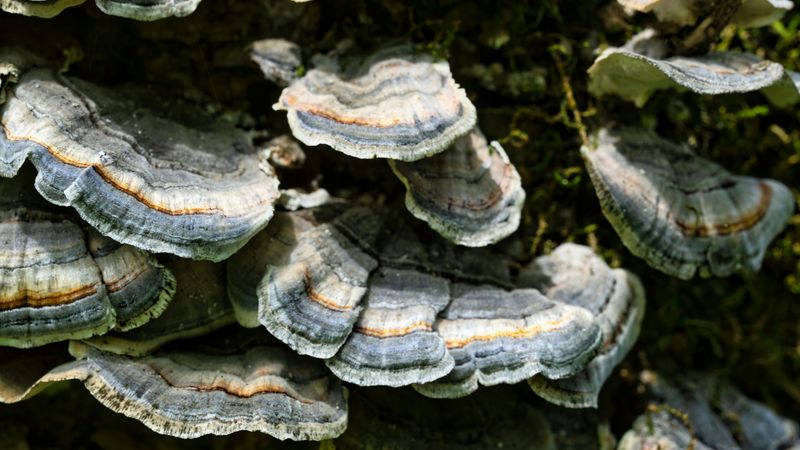
Turkey Tail (Trametes versicolor) — The Most Researched Medicinal Mushroom
Of all medicinal fungi, Turkey Tail has accumulated the largest body of clinical research — particularly around its two concentrated polysaccharide extracts: PSK (polysaccharide-K, brand name Krestin) developed in Japan, and PSP (polysaccharide-peptide) developed in China.
The data on PSK is extensive. Approved by Japan's Ministry of Health for cancer treatment in 1977, by 1987 it accounted for 25.2% of Japan's total national expenditure on anticancer agents. Clinical trials with PSK have shown:
- Improved quality of life after surgery in patients using Turkey Tail alongside chemotherapy
- Extended 5- and 10-year survival rates, particularly for colorectal and stomach cancers
- Reduced nausea, improved immune function, and increased energy levels during chemotherapy (Hobbs, Medicinal Mushrooms: The Essential Guide)
In a study of breast cancer patients receiving chemotherapy, PSP prevented significant drops in white blood cell count following three courses of treatment (Rogers, The Fungal Pharmacy). Turkey Tail's beta-glucans contain more than 50% of the mushroom by dry weight — one of the highest concentrations in any medicinal species.
The University of Texas MD Anderson Cancer Center has described T. versicolor as "a promising candidate for chemoprevention due to the multiple effects on the malignant process, limited side effects and safety."
Notably, unlike many conventional anticancer agents, PSK and PSP produce few, if any, reported side effects and show no immunosuppressive activity.
The Science Behind Medicinal Mushrooms
Beta-Glucans: The Key Immune Modulators
Most of the therapeutic activity attributed to medicinal mushrooms traces back to beta-glucans — the beta-linked glucose molecules that form the typical fungal polysaccharide. In practice, most immunologically active mushroom polysaccharides are heteroglucans, meaning they contain other sugar molecules such as galactose, xylose, or mannose alongside glucose, and almost all have some level of bound protein.
The immune mechanism is well characterized. After oral consumption, beta-glucans are recognized by pattern recognition receptors (PRRs) on dendritic cells and macrophages in the gastrointestinal tract. The molecules are internalized, fragmented, and transported via the lymphatic system to other immune cells. There, they bind to CR3 receptors on neutrophils and natural killer cells, triggering cytokine release — including tumor necrosis factor (TNF-α), interferons (IFN-γ), and interleukins (IL-6, IL-8, IL-12). This cascades into activation of cytotoxic T lymphocytes, T helper cells, and B cells (Medicinal Mushrooms, Agrawal et al.).
Mushroom beta-glucans have more structurally diverse configurations than the commercially available yeast-derived beta-glucans, and research suggests this structural complexity is associated with higher levels of immunological activity (Powell, Medicinal Mushrooms: A Clinical Guide). The degree of branching appears particularly important — polysaccharides with one side chain per 3–5 main-chain sugar units show the highest anti-cancer activity.
Terpenoids: The Adaptogenic Compounds
Beyond polysaccharides, terpenoids — particularly the triterpenoids in Reishi — contribute significantly to medicinal mushroom activity. Ganoderic and lucidenic acids in Reishi show direct cytotoxic activity against certain cancer cell lines, inhibit NF-kB and AP-1 signaling pathways, block androgen receptors on prostate cancer cells, and exhibit hepatoprotective effects. These compounds also appear responsible for Reishi's traditional reputation as a calming, adaptogenic herb.
Lion's Mane's cyathane diterpenes operate through a completely different mechanism — stimulating NGF synthesis rather than immune activation — making it one of the few natural compounds with evidence for direct support of neural tissue.
What the Clinical Evidence Shows
Research on medicinal mushrooms spans in vitro studies, animal models, and human clinical trials. The strongest clinical evidence exists for:
- Turkey Tail (PSK/PSP): Multiple randomized controlled trials showing benefits as adjunct therapy in gastrointestinal and breast cancers
- Lion's Mane: A double-blind, placebo-controlled trial (Mori et al., 2009) for mild cognitive impairment; multiple studies on NGF induction and nerve regeneration
- Reishi: Randomized, double-blind, placebo-controlled trial in advanced lung cancer (68 patients); clinical studies showing enhanced NK cell activity and Th1 cytokine levels in cancer patients
- Maitake D-fraction: Phase II clinical data in myelodysplastic syndrome
As is common with functional foods, most human trials have been relatively small. Researchers consistently note the need for larger, longer trials to establish optimal dosing and confirm mechanisms in diverse populations.
How to Incorporate Medicinal Mushrooms into Your Diet
Capsules and Powders
Supplements are the most standardized way to consume medicinal mushrooms. Look for products made from fruiting bodies rather than mycelium grown on grain — the majority of immunologically active polysaccharides (about 77.5%) are found in the fruiting body. Quality products will state a beta-glucan percentage on the label; 20–40% is typical for a well-concentrated extract.
Explore our full range of mushroom products to find supplements from vetted vendors with transparent sourcing.
Dual-Extraction Tinctures
Many bioactive compounds in medicinal mushrooms require different solvents to extract. Beta-glucans are water-soluble; triterpenoids (like those in Reishi) are alcohol-soluble. A dual-extraction tincture uses both a hot-water and an alcohol extraction process, capturing the full spectrum of active compounds. This is the gold standard for Reishi and Chaga, in particular. Dose ranges for dual-extraction Reishi products are typically 1–3g/day.
Teas and Decoctions
Turkey Tail has been prepared as a medicinal tea in Asia for thousands of years. Simmering dried mushroom pieces for 20–45 minutes extracts the water-soluble beta-glucans effectively. Reishi decoctions have a long history in traditional Chinese medicine, with historical dose recommendations of 3–15g of dried mushroom per day.
Cooking with Fresh or Dried Mushrooms
Shiitake delivers eritadenine and lentinan through everyday cooking. Maitake, Lion's Mane, and Shiitake are all excellent culinary mushrooms that pair well with savory dishes. Heat does not destroy beta-glucan activity — in fact, cooking breaks down chitin cell walls and may improve bioavailability. If you're interested in growing your own, our growing guides cover species like Lion's Mane, Shiitake, and Turkey Tail in detail.
Safety and Efficacy: What You Need to Know
Fruiting Body vs. Mycelium
This is one of the most important quality distinctions in the supplement market. Mycelium products are often grown on grain substrates, meaning the final product may contain significant amounts of starch rather than active mushroom compounds. Research consistently shows higher polysaccharide and beta-glucan content in fruiting body preparations. When purchasing, look for:
- "Fruiting body" specified on the label
- Beta-glucan content stated as a percentage (not just polysaccharides, which can include starch)
- Third-party lab testing for heavy metals and contaminants
Dosage Considerations
Dosages vary by species and extract type. General evidence-based ranges from clinical literature include:
- Reishi: 1–3g/day for dual-extraction products; 3–15g/day for crude dried mushroom; up to 5.4g/day polysaccharide extract in clinical trials
- Turkey Tail (PSK): 3–6g/day in Japanese clinical trials, taken orally
- Lion's Mane: 3–5g/day of dried fruiting body or 1–3g/day of standardized extract
- Shiitake: Commonly 2–6g/day dried; eritadenine content varies by preparation
Drug Interactions and Cautions
Medicinal mushrooms are generally considered safe for most adults, but a few interactions deserve attention:
- Anticoagulants: Reishi may have mild blood-thinning properties. A study of 1.5g/day in healthy volunteers showed no effect on haemostatic function, but patients on warfarin or similar medications should be monitored by their physician (Powell, Medicinal Mushrooms: A Clinical Guide).
- Immunosuppressants: Because beta-glucans are immunomodulatory, people taking immunosuppressive drugs (such as organ transplant recipients) should consult a physician before use.
- Autoimmune conditions: The immune-stimulating properties of medicinal mushrooms may theoretically exacerbate certain autoimmune conditions, though Reishi's anti-inflammatory action may be beneficial — clinical guidance is essential.
Cordyceps and Beyond
The five mushrooms covered here are among the most researched, but the medicinal fungi world is vast. Cordyceps (Cordyceps militaris), for example, has extensive research for energy metabolism, oxygen utilization, and endurance — and unlike the rare wild Ophiocordyceps sinensis, cultivated C. militaris is widely available and verifiable. Visit our complete mushroom species guide to explore the full spectrum of what the fungal kingdom may offer.
Final Thoughts
Medicinal mushrooms represent a fascinating convergence of traditional knowledge and emerging clinical science. Compounds like the ganoderic acids in Reishi, the erinacines in Lion's Mane, and the PSK derived from Turkey Tail have moved from folk medicine into peer-reviewed journals and hospital oncology wards. The evidence base is real — and growing.
That said, this field is still maturing. Most human clinical trials are small, dosing protocols are not fully standardized, and the quality of commercial products varies enormously. The practical takeaway: prioritize fruiting body products with stated beta-glucan content, use medicinal mushrooms as part of a holistic approach to wellness, and work with healthcare providers when addressing specific health conditions.
Disclaimer: The information in this article is for educational purposes only and is not intended as medical advice. Medicinal mushrooms are not a substitute for professional medical care. Always consult a qualified healthcare provider before starting any new supplement, particularly if you are pregnant, nursing, have an existing health condition, or are taking medications.
First paragraph.
- List item one
- List item two
Referencias
- Hobbs, C. (2021). Medicinal Mushrooms de Christopher Hobbs: La Guía Esencial: Aumenta la Inmunidad, Mejora la Memoria, Combate el Cáncer, Detén Infecciones y Expande Tu Conciencia. Estados Unidos: Storey Publishing, LLC..
- Agrawal, D. C. & Dhanasekaran, M. (2019). Medicinal Mushrooms: Recent Progress in Research and Development. Springer.
- Rogers, R. (2011). La Farmacia Fúngica: La Guía Completa de Hongos Medicinales y Líquenes de América del Norte. Estados Unidos: North Atlantic Books.
- Powell, M. (2010). Medicinal Mushrooms: A Clinical Guide. Mycology Press.
- Wesa, K. M. & Cassileth, B. R. (2009). Phase I/II Trial of a Polysaccharide Extract from Grifola frondosa (Maitake Mushroom) in Breast Cancer Patients. Journal of Cancer Research and Clinical Oncology, 135(9), 1215-1221.
- Mori, K., Inatomi, S., Ouchi, K., Azumi, Y., & Tuchida, T. (2009). Improving effects of the mushroom Yamabushitake (Hericium erinaceus) on mild cognitive impairment: a double-blind placebo-controlled clinical trial. Phytotherapy Research, 23(3), 367-372. https://doi.org/10.1002/ptr.2634
- Mori, K., Obara, Y., Hirota, M., Azumi, Y., Kinugasa, S., Inatomi, S., & Nakahata, N. (2008). Nerve growth factor-inducing activity of Hericium erinaceus in 1321N1 human astrocytoma cells. Biological and Pharmaceutical Bulletin, 31(9), 1727-1732. https://doi.org/10.1248/bpb.31.1727