Amanita Pantherina: La Prima Más Arriesgada Explicada (Guía 2026)
By Louis on 10/05/2026
Amanita pantherina contiene los mismos compuestos que el agaric de mosca en concentraciones más altas. Aquí está lo que lo hace diferente y por qué es más arriesgado.
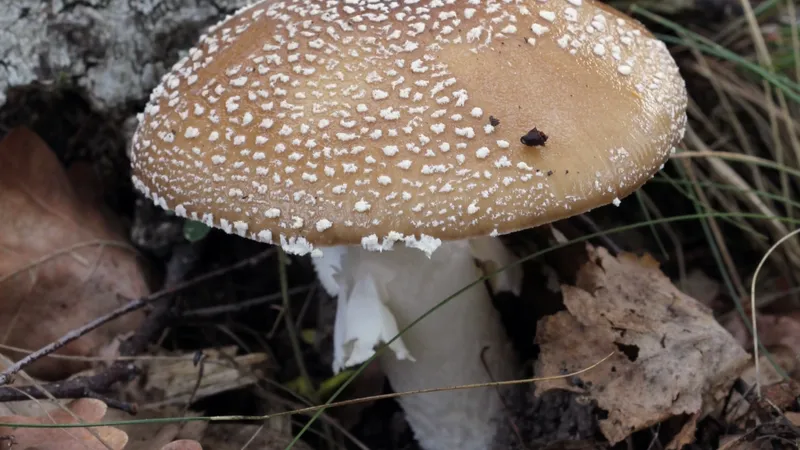
Amanita Pantherina: La Prima Más Arriesgada Explicada
Si Amanita muscaria es el hongo de dibujos animados, Amanita pantherina es su prima más tranquila y peligrosa. Mismo género, mismos compuestos activos (muscimol y ácido iboténico), efectos ampliamente similares, pero en concentraciones más altas y variables y con una curva de respuesta a la dosis más pronunciada. La mayoría de las intoxicaciones documentadas por pantherina ocurren por accidente, cuando los recolectores confunden la pantera de sombrero marrón con una especie comestible como Amanita rubescens (el rubor) o incluso el hongo parasol (Macrolepiota procera). La mayoría de las intoxicaciones por muscaria, en contraste, son intencionales. Esa diferencia importa. Esta guía cubre qué es realmente la pantherina, por qué es más arriesgada que la muscaria a pesar de contener los mismos compuestos, cómo identificarla (y las mortales que se parecen y comparten su bosque), qué nos dicen los datos de control de envenenamientos y dónde encaja en el panorama legal.
La Respuesta Rápida
Amanita pantherina, comúnmente llamada el sombrero de pantera o amanita pantera, es un hongo psicoactivo del género Amanita que contiene los mismos compuestos activos que Amanita muscaria (muscimol y ácido iboténico) en concentraciones más altas y variables. Pantherina es responsable de un menor número de intoxicaciones en América del Norte que muscaria, pero tiene una tasa de síntomas por caso más alta, según una serie de casos de control de envenenamientos de 2018. La mayoría de las intoxicaciones por pantherina son identificaciones erróneas accidentales por parte de los recolectores. El hongo no está programado a nivel federal en EE. UU., está prohibido en Luisiana junto con Amanita muscaria, y en gran medida no está regulado en otros lugares. Para una visión más amplia del panorama regulatorio, consulte nuestra guia completo sobre cogumelos legais nos EUA..
Qué Es Amanita Pantherina
Amanita pantherina es un hongo basidiomiceto del mismo género que Amanita muscaria, distribuido por los bosques templados y montanos de Europa, Asia y América del Norte. Forma asociaciones ectomicorrícicas con coníferas (particularmente pinos, abetos y abetos) y árboles de hoja ancha (roble, haya, abedul), los mismos tipos de asociaciones que producen muscaria. Los cuerpos fructíferos suelen aparecer desde finales del verano hasta el otoño.
El nombre "pantherina" proviene del latín para pantera, refiriéndose a la apariencia moteada del sombrero, que es marrón a marrón grisáceo con verrugas blancas. Los nombres comunes incluyen sombrero de pantera, amanita pantera, falso rubor y hongo pantera. En algunas fuentes europeas más antiguas, el hongo se llama "falso rubor" debido a su parecido con Amanita rubescens (el verdadero rubor), una especie comestible. Ese parecido es la razón por la que la mayoría de las intoxicaciones documentadas por pantherina ocurren.
Una nota taxonómica que vale la pena señalar porque casi ningún contenido para consumidores la menciona: en 2002, los micólogos separaron una especie asiática estrechamente relacionada llamada Amanita ibotengutake de lo que anteriormente se consideraba Amanita pantherina. Las dos especies son esencialmente idénticas a simple vista y se consideraron la misma especie durante la mayor parte del siglo XX. El análisis de ADN es la única forma confiable de distinguirlas. Un informe de caso de 2025 documentó exactamente esta confusión cuando la identificación morfológica dijo "pantherina" pero la secuenciación de ADN confirmó "ibotengutake", con ácido iboténico y muscimol medibles detectados en el vómito del paciente. Para fines prácticos, las dos especies son farmacológicamente intercambiables, pero el detalle taxonómico es importante para citas de investigación precisas y para entender por qué los datos históricos de pantherina pueden incluir ambas especies.
Identificación: Cómo Reconocerla
Amanita pantherina tiene una combinación reconocible de marcas de campo:
- Sombrero: 5 a 12 cm de ancho, marrón a marrón grisáceo, a veces tendiendo hacia el oliva oscuro o marrón amarillento, cubierto de pequeñas verrugas blancas a blanquecinas que son restos del velo universal. El sombrero es convexo cuando es joven y se aplana o desarrolla un centro ligeramente deprimido con la edad.
- Branquias: Blancas, libres (no unidas al tallo), apiñadas.
- Tallo: 5 a 12 cm de alto, blanco, con un anillo frágil en forma de falda (resto del velo parcial) cerca de la parte superior.
- Base: Bulbosa, con un collar distintivo y afilado donde el tallo se encuentra con el bulbo. Esta es una de las características de identificación más confiables. La volva está mayormente ausente en la forma en copa que se encuentra en las especies mortales de Amanita; pantherina tiene un bulbo anillado en su lugar.
- Impresión de esporas: Blanca.
- Olor: Suave, débilmente terroso o parecido a un rábano. No es distintivo.
El sombrero marrón con verrugas blancas es la característica visual más llamativa. El desafío es que las especies de Amanita con sombrero marrón son comunes, varias son mortales, y las diferencias se reducen a detalles que requieren un examen cuidadoso.
Los que se parecen y causan intoxicaciones
Esta sección es crítica para los recolectores y entusiastas casuales del aire libre porque la especie pantherina se confunde más a menudo con especies que incluyen tanto comestibles como tóxicos letales.
Amanita rubescens (el rubor). Esta es la confusión más común. Rubescens es una especie comestible (cuando se cocina adecuadamente) con un sombrero marrón, verrugas de blanco a rosa, y un tallo que se magulla de rosa a rojo cuando se manipula. La reacción de magullado es la característica distintiva clave. Pantherina no se magulla de rosa. Un recolector que busca rubores y encuentra un hongo parecido a pantherina y no verifica el magullado puede terminar en control de envenenamientos.
Amanita spissa (la amanita de manchas grises). Otra especie europea comestible-cuando-cocinada con coloración similar. Las características distintivas incluyen diferencias sutiles en la estructura de la volva y el olor. Spissa tiene un olor distintivo a rábano que pantherina carece o tiene débilmente.
Macrolepiota procera (el hongo paraguas). Un comestible de elección con un sombrero escamoso marrón que los principiantes a veces confunden con pantherina a simple vista. Las diferencias son sustanciales al examinar: los paraguas tienen un anillo móvil que se puede deslizar hacia arriba y hacia abajo en el tallo, tallos mucho más altos con un patrón distintivo de piel de serpiente, y sin base bulbosa. A pesar de las obvias diferencias, esta confusión aparece en los registros de control de envenenamientos.
Amanita phalloides (el sombrero de la muerte). Esta es la confusión letal. Phalloides típicamente tiene un sombrero verdoso o amarillento en lugar de puro marrón, pero existe variación de color y la superposición es real. La característica distintiva crítica es la volva: phalloides tiene una copa membranosa en forma de saco en la base, mientras que pantherina tiene un bulbo anillado. Phalloides contiene amatoxinas que destruyen el hígado. No hay antídoto. Esta es la confusión que convierte un error de recolección en uno fatal.
Amanita virosa y A. bisporigera (ángeles destructores). Versiones completamente blancas de la misma química destructora del hígado letal. Menos propensas a confundirse con la pantherina de sombrero marrón, pero vale la pena conocerlas para cualquier recolector de Amanita.
La regla general para cualquier especie de Amanita: si no puedes distinguir de manera confiable tu objetivo del sombrero de la muerte y el ángel destructor en una alineación de fotos lado a lado, no recolectes para uso personal. Compra a vendedores probados en su lugar.
Cómo se compara Pantherina con Muscaria
Ambas especies contienen los mismos compuestos activos: muscimol y ácido iboténico. Las diferencias están en la concentración, la relación y la variabilidad de la respuesta a la dosis.
Rasgo | Amanita muscaria | Amanita pantherina |
|---|---|---|
Color del sombrero | Rojo brillante (la mayoría de las variedades) | Marrón a marrón grisáceo |
Compuestos activos | Muscimol, ácido iboténico | Muscimol, ácido iboténico |
Concentración | Variable, promedio más bajo | Variable, promedio más alto |
Curva de dosis-respuesta | Relativamente predecible | Más pronunciada, más variable |
Caso de uso típico | Consumo intencional | Mayormente envenenamiento accidental |
Tasa de síntomas por caso | Más baja en datos de casos-control | Más alta en datos de casos-control |
Estado legal federal (EE. UU.) | No programado (LA prohibido) | No programado (LA prohibido con muscaria) |
La revisión de control de envenenamiento de Moss y Hendrickson de 2018 que cubre 14 años de casos en un centro regional de envenenamiento en EE. UU. encontró 23 casos de A. muscaria frente a 10 casos de A. pantherina, siendo la ingestión de pantherina asociada con una tasa más alta de síntomas por caso. La muestra de datos es pequeña pero consistente con el consenso de los practicantes de que pantherina es más potente y menos predecible por gramo de material de hongo. Por eso, la literatura de los practicantes, incluidos los principales referentes de Amanita, trata a pantherina como una categoría separada que requiere más precaución en lugar de un sustituto de muscaria.
La distinción química de efectos es la misma que para muscaria. El ácido iboténico es el precursor neurotóxico que se convierte en el deseable muscimol a través de la descarboxilación. Para la diferencia química entre los dos compuestos, consulte nuestra guía sobre a diferença entre muscimol e ácido ibotênico. Para el proceso de conversión y por qué la preparación adecuada es importante, consulte nuestra descarboxilação explicada guía.
Efectos y síntomas
Cuando se consumen en dosis tóxicas, el ácido iboténico y las especies de Amanita que contienen muscimol producen un síndrome que combina malestar gastrointestinal, excitación del sistema nervioso central y depresión del sistema nervioso central. En la serie de casos de Moss y Hendrickson, los síntomas gastrointestinales (náuseas, vómitos) fueron comunes a pesar de no estar clásicamente asociados con este tipo de envenenamiento. Los efectos en el sistema nervioso central pueden incluir tanto componentes excitatorios (agitación, confusión, espasmos musculares, convulsiones ocasionales) como componentes depresores (sedación, ataxia, sueño similar al coma). Los síntomas generalmente aparecen de 30 minutos a 2 horas después de la ingestión y duran de 4 a 24 horas.
La toxicidad aguda en modelos animales proporciona algo de contexto para la relación dosis-respuesta. Según la revisión de Bombelli et al. 2025 en Toxinas, la LD50 oral establecida en ratas es de aproximadamente 129 mg/kg para el ácido iboténico y 45 mg/kg para el muscimol, lo que indica una toxicidad aguda relativamente baja en humanos. Los casos letales de intoxicación por pantherina son raros. El pronóstico con cuidados de apoyo es generalmente bueno. La revisión de control de envenenamientos de 2018 encontró que la mayoría de los casos se resolvieron en 24 horas sin que se requiriera un antídoto específico.
El tratamiento en entornos clínicos es de apoyo: líquidos para las pérdidas gastrointestinales, benzodiazepinas para la agitación si es necesario (con precaución sobre la depresión respiratoria) y monitoreo. La atropina está contraindicada a pesar de que los libros de texto más antiguos la sugieren; el perfil de síntomas mezcla características colinérgicas y anticolinérgicas, y la atropina puede empeorar la situación.
¿Es Pantherina una alternativa viable a Muscaria?
Para los recolectores y usuarios intencionales, el consenso de los practicantes es que Amanita pantherina no es un sustituto de Amanita muscaria. Tres razones.
Concentración más alta y variable.Un sombrero de pantherina puede contener sustancialmente más muscimol y ácido iboténico que un sombrero de muscaria del mismo peso, pero la variabilidad entre los especímenes es mayor. Los cálculos de dosis que funcionan razonablemente para muscaria a menudo fallan para pantherina.
Curva de dosis-respuesta más pronunciada.El margen entre una dosis intencionada y una abrumadora es más estrecho con pantherina. Los autoexperimentadores que conocen su tolerancia para muscaria informan haber quedado sorprendidos por pantherina al mismo peso en gramos.
La identificación es más difícil.Pantherina comparte su bosque con especies de Amanita mortales de una manera que los champiñones de sombrero marrón generalmente no lo hacen. El sombrero rojo brillante de muscaria es inconfundible; el sombrero marrón de pantherina requiere una cuidadosa distinción de los blusher, amanitas de manchas grises y (lo más crítico) sombreros de la muerte.
El mercado comercial refleja esto. Existen extractos y tinturas de Amanita pantherina, pero son mucho menos comunes que los productos de muscaria, y los vendedores reputables que ofrecen material de pantherina generalmente prueban el contenido de muscimol y ácido iboténico por porción con aún más cuidado que prueban muscaria, debido a que la variabilidad es mayor. Para los usuarios que buscan una experiencia psicoactiva de Amanita con dosificación predecible, muscaria es la mejor opción. La guia definitivo de Amanita muscariacubre todo, incluyendo identificación, historia, dosificación, preparación y estado legal.
Estado Legal
Amanita pantherina no está programada a nivel federal en los Estados Unidos. Al igual que Amanita muscaria, queda fuera de la Ley de Sustancias Controladas porque el muscimol y el ácido iboténico no están en la Lista I.
La ley estatal sigue el mismo patrón general. La Ley 159 del Estado de Luisiana de 2005 que prohibió Amanita muscaria como "planta alucinógena" se interpreta generalmente como que también cubre Amanita pantherina, ya que el estatuto está redactado de manera lo suficientemente amplia como para incluir especies relacionadas. Ningún otro estado ha promulgado una prohibición específica de pantherina o ha enmendado las leyes de Amanita muscaria para abordar específicamente pantherina.
La carta de la FDA de diciembre de 2024 a la industria sobre Amanita muscaria abordó el muscimol y el ácido iboténico como constituyentes, lo que funcionalmente captura también a pantherina ya que la especie comparte esos compuestos. Pantherina no es una solución alternativa a las restricciones de la FDA sobre aditivos alimentarios en muscaria.
A nivel internacional, la regulación varía. Australia, los Países Bajos y varios otros países que restringen Amanita muscaria generalmente incluyen pantherina bajo las mismas disposiciones. Siempre verifica las leyes locales actuales antes de comprar, poseer o consumir.
Conclusión
Amanita pantherina es una verdadera especie psicoactiva de Amanita con usos tradicionales y modernos genuinos, pero no es una alternativa casual a Amanita muscaria. Contiene los mismos compuestos activos en concentraciones más altas y variables, produce una curva de dosis-respuesta más pronunciada y comparte su bosque con imitadores comestibles (blushers, parasoles) y mortales (sombreros de la muerte, ángeles destructores). La mayoría de las intoxicaciones documentadas por pantherina son accidentales. La mayoría de las intoxicaciones por muscaria son intencionales. Esa distinción te dice la mayor parte de lo que necesitas saber sobre el perfil de riesgo relativo. Para los usuarios que buscan una experiencia de hongo psicoactivo legal, los productos de Amanita muscaria debidamente probados de vendedores reputables son la opción más predecible y segura.
¿Listo para llevar tu viaje de micología al siguiente nivel? Explora nuestra gama completa de productos de hongos en ShroomSpy.com/mushrooms/products y encuentra todo lo que necesitas para cultivar, recolectar y prosperar.
Preguntas Frecuentes
¿Es Amanita pantherina más potente que Amanita muscaria?
Sí, en promedio, aunque la variabilidad es significativa. Los estudios que miden el contenido de muscimol y ácido iboténico generalmente encuentran concentraciones más altas en los especímenes de pantherina, y la serie de casos de control de envenenamiento de Moss y Hendrickson de 2018 encontró que las ingestas de pantherina estaban asociadas con tasas de síntomas por caso más altas que las de muscaria. La variabilidad de espécimen a espécimen también es mayor en pantherina, por lo que los autoexperimentadores la describen como menos predecible.
¿Es legal Amanita pantherina en los EE. UU.?
Sí, no está programada a nivel federal en 49 estados. La ley de plantas alucinógenas de Luisiana de 2005 se interpreta generalmente como que cubre pantherina junto con muscaria. La carta de la FDA de diciembre de 2024 sobre muscimol y ácido iboténico como aditivos alimentarios incluye a pantherina ya que contiene los mismos compuestos constitutivos.
¿Cómo se ve Amanita pantherina?
Un sombrero de color marrón a marrón grisáceo (5 a 12 cm) cubierto de pequeñas verrugas blancas, branquias libres blancas, un tallo blanco con un anillo frágil cerca de la parte superior, y una base bulbosa con un collar distintivo y afilado. Impresión de esporas blancas. El sombrero marrón con verrugas blancas es la característica visual más llamativa. La base bulbosa con anillo ayuda a distinguirla de las especies de Amanita mortales, que tienen volvas en forma de saco en su lugar.
¿Puede Amanita pantherina matarte?
Los casos letales son raros y casi siempre involucran sobredosis masivas o condiciones médicas comprometedoras. La toxicidad aguda en modelos animales sugiere una letalidad relativamente baja (LD50 en ratas de 129 mg/kg para el ácido iboténico, 45 mg/kg para el muscimol). La mayoría de los envenenamientos por pantherina se resuelven dentro de las 24 horas con atención de apoyo. El riesgo de fatalidad mucho mayor en la recolección de pantherina proviene de la confusión con la amanita mortal (Amanita phalloides), que contiene amatoxinas que destruyen el hígado y no tiene antídoto.
¿Cuál es la diferencia entre Amanita pantherina y la amanita mortal?
Amanita phalloides (amanita mortal) típicamente tiene un sombrero verdoso o amarillento en lugar del marrón de pantherina, y crucialmente, tiene una volva membranosa en forma de saco en la base del tallo en lugar de la base bulbosa con anillo que muestra pantherina. Phalloides contiene amatoxinas que destruyen el hígado y no tiene antídoto. Un solo sombrero puede ser letal. La distinción es el control de identificación más importante que hace cualquier recolector de Amanita.
¿Son seguros los productos de Amanita pantherina para comprar comercialmente?
Existen productos comerciales de pantherina, pero son menos comunes que los productos de muscaria. Se aplican los mismos requisitos de calidad: el vendedor debe proporcionar un Certificado de Análisis de un laboratorio certificado por ISO que muestre el contenido de muscimol y ácido iboténico por porción. Debido a que pantherina tiene concentraciones más altas y más variables que muscaria, los requisitos de prueba son argumentablemente más estrictos. Se deben evitar los vendedores que venden material de pantherina sin pruebas de laboratorio.
Compra productos de Amanita de vendedores verificados.
Preguntas frecuentes
Ambas especies contienen muscimol y ácido iboténico, pero pantherina los lleva en concentraciones más altas y variables con una curva de respuesta a la dosis más pronunciada. Esto hace que el margen entre una dosis intencionada y una abrumadora sea más estrecho. La mayoría de los envenenamientos por pantherina también son identificaciones erróneas accidentales, mientras que la mayoría de los envenenamientos por muscaria son intencionales.
Referencias
- (2026). Amanita muscaria: Descarboxilación del ácido iboténico a muscimol.
- Ordak, M., Galzaka, A., Nasierowski, T., Muszynska, E., & Bujalska-Zadrozny, M. (2023). Razones, forma de ingestión y efectos secundarios asociados con el consumo de Amanita muscaria. .
- Rampolli, F. I., Kamler, P., Carlino, C. C., & Bedussi, F. (2021). El Hongo Engañoso: Intoxicación Accidental por Amanita muscaria. .
- Vendramin, A. & Brvar, M. (2014). Intoxicación por Amanita muscaria y Amanita pantherina: Dos síndromes. Toxicon, 90, 269-272. https://doi.org/10.1016/j.toxicon.2014.08.067
- Satora, L., Pach, D., Ciszowski, K., & Winnik, L. (2006). Intoxicación por el hongo Panther cap Amanita pantherina: informe de caso y revisión. Toxicon, 47(5), 605-607. https://doi.org/10.1016/j.toxicon.2006.01.008
- Benjamin, D. R. (1995). Hongos: Venenos y Panaceas: Un Manual para Naturalistas, Micólogos y Médicos.