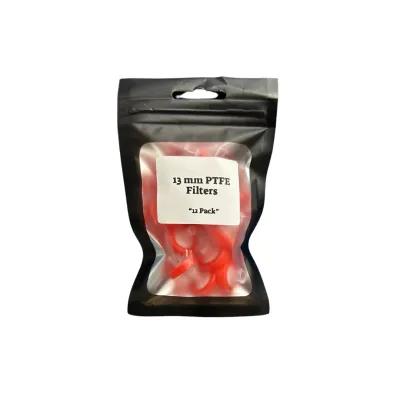

Paquete de 12 filtros de jeringa de PTFE de 13 mm
Vendido por Colorado Cultures
Cargando comentarios...
$9.99
Envío estimado en EE.UU. $6.60
Devoluciones en 30 días
Pago seguro — Stripe y PayPal
El envío final se calcula al finalizar la compra.
Garantía de devolución de 30 días

El filtro de grado de laboratorio que mantiene limpio tu cultivo
El trabajo de cultivo eventualmente requiere mover líquido de un contenedor a otro — aspirar LC en una jeringa, transferir solución de esporas entre frascos, dispensar agua estéril para la preparación de muestras. Cada transferencia es una oportunidad para la contaminación.
La solución estándar es técnica estéril con una jeringa estéril y un destino estéril. Esto funciona para la mayoría de las aplicaciones. Pero para los cultivadores que realizan trabajos de LC de alto volumen, comparaciones de múltiples cepas o cultivo de grado de investigación, agregar un filtro estéril en línea reduce drásticamente el riesgo de contaminación durante la transferencia.
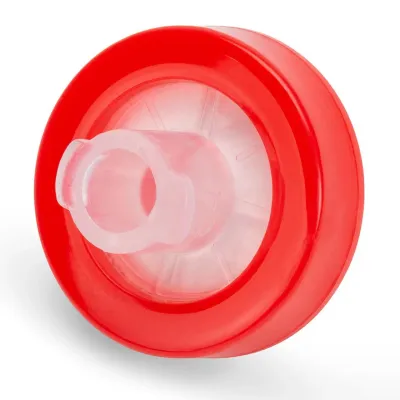
Las Culturas de Colorado Filtros de Jeringa PTFE de 12 Paquetes de 13 mm son filtros en línea estériles de grado de laboratorio diseñados para acoplarse a jeringas estándar. PTFE (politetrafluoroetileno) es el nombre químico del Teflón — el material que le da a estos filtros su combinación única de esterilidad, hidrofobicidad y resistencia química.
Lo que realmente hacen los filtros de jeringa
Un filtro de jeringa es un pequeño dispositivo en forma de disco con una membrana porosa que se acopla al extremo de una jeringa. Cuando empujas líquido a través de la jeringa, el líquido pasa a través de la membrana mientras que los contaminantes quedan atrapados.
Para aplicaciones de cultivo:
- Filtrar el aire entrante al aspirar líquido (presión positiva de aire contra la contaminación aérea)
- Filtrar el líquido saliente al inyectar (elimina cualquier contaminante en el líquido de origen)
- Filtrar LC durante la transferencia entre los recipientes (seguro extra de esterilidad)
- Preparación de agua estéril filtrada de fuentes no estériles
El resultado: transferencias estériles incluso a partir de materiales de partida no estériles, con la confianza de que el cultivo de destino está protegido.
Por qué PTFE (Teflón) específicamente
PTFE es el material premium para filtros estériles por varias razones:
Hidrofóbico por naturaleza
PTFE no absorbe agua. Esto es importante porque:
- El agua líquida pasa a través de manera limpia en lugar de empaparse en el filtro
- El aire estéril seco puede ser filtrado sin que la absorción de agua cambie las características del filtro
- El filtro no se degrada con ciclos repetidos de húmedo-seco
- Los filtros húmedos se secan rápidamente entre usos
Resistencia química
PTFE es uno de los materiales más químicamente inertes en uso industrial:
- Compatible con prácticamente todos los productos químicos de cultivo — IPA, etanol, agua estéril, solución salina
- Estable en todo el rango de pH que utiliza la micología
- Sin lixiviación de productos químicos en el fluido filtrado
- Sin degradación por esterilización (autoclaveable)
Capacidad de esterilización
Los filtros de PTFE pueden ser:
- Preesterilizados en fábrica (este producto) — el más común
- Reesterilizados a través de autoclave (si es necesario para un uso repetido)
- Tratados con alcohol isopropílico para la desinfección de superficies
- Estables a través de ciclos de esterilización sin pérdida de rendimiento
Para aplicaciones micológicas, esta combinación de propiedades hace que los filtros de PTFE el estándar de laboratorio para aplicaciones de transferencia estéril.
¿Por qué 13mm específicamente?
El diámetro de 13mm es el tamaño estándar de filtro de laboratorio de pequeño volumen — diseñado para:
- Factor de forma compacto que se adapta a cualquier área de trabajo estéril
- Bajo volumen muerto — mínimo desperdicio de fluido en la carcasa del filtro
- Compatible con jeringas estándar — conexiones luer-lock y luer-slip
- Almacenamiento fácil — lo suficientemente pequeño para armarios de suministros de laboratorio compactos
Filtros más grandes (25mm, 50mm) son para aplicaciones de mayor volumen. Más pequeños (4mm) son para trabajos de volumen muy especializado.13mm es el tamaño ideal para el uso típico en cultivo de micología.
Lo que puedes hacer con estos filtros
Inoculación de bolsas de cultivo
Conecta el filtro a una jeringa de solución de LC o esporas antes de la inyección. El filtro:
- Atrapa cualquier contaminación que pueda haberse acumulado en la jeringa durante el envío o almacenamiento
- Proporciona una barrera de contaminación adicional en el momento de la inyección
- Permite una inoculación de mayor confianza de costosas esporas o sustrato
Transferencia de cultivo líquido
Al mover LC entre recipientes:
- Conecta el filtro a la jeringa durante la transferencia
- Tanto el aire entrante como el fluido saliente son filtrados
- El LC de destino está protegido de cualquier contaminación en el proceso de transferencia
Preparación de jeringas de LC y esporas
Al preparar tu propio:
- Filtrar agua estéril antes de añadir a impresiones de esporas o medio LC
- Filtrar LC antes del empaquetado final
- Asegúrate de que los materiales de inicio estén completamente estériles
Trabajo de comparación de múltiples cepas
Para estudios de comparación genética:
- Usa un filtro nuevo para cada cepa para prevenir la contaminación cruzada
- Filtración consistente en todas las condiciones de comparación
- Reduce los efectos de contaminación variables que podrían confundir los resultados
Dispensación de agua estéril
Para trabajo rutinario con agua estéril:
- Filtrar agua de una fuente no estéril a través del filtro en un destino estéril
- Forma económica de "esterilizar" pequeños volúmenes cuando la esterilización completa en olla a presión no es práctica
Por qué un formato de 12 unidades
Doce filtros reflejan un uso realista de cultivo:
- 12 filtros = 6-12 semanas de cultivo típico dependiendo de la frecuencia de las sesiones
- Uso único por sesión para la pureza de técnica estéril
- Precios al por mayor vs. compra individual
- Stock de reserva para proyectos inesperados
Para cultivadores ocasionales, un paquete de 12 dura varios meses. Para cultivadores activos, el paquete de 12 se vuelve a pedir cada 1-2 meses.
¿Quién compra esto?
- Cultivadores de alto volumen realizando trabajos frecuentes de LC e inyección de spawn
- Probadores de genética y criadores realizando estudios comparativos de múltiples cepas
- Investigadores realizando experimentos de cultivo controlados
- Preparadores de jeringas de esporas filtrando durante la preparación
- Cultivadores con cultivos previamente contaminados que desean una prevención adicional de contaminación
- Educadores en micología demostrando principios de técnica estéril
Lo que esto NO es
- No es un sustituto de la técnica estéril adecuada. Un filtro es un componente de la técnica limpia — guantes, mascarilla, desinfección de superficies y un espacio de trabajo adecuado siguen siendo importantes.
- No es un fungicida ni un agente de esterilización. Los filtros atrapan contaminantes mecánicamente; no matan organismos. Los contaminantes son eliminados, pero el filtro en sí se convierte en una fuente de contaminación si se reutiliza.
- No es apropiado para inyección a alta presión. La presión de inyección de micología estándar está bien; las aplicaciones industriales de alta presión necesitan filtros especializados.
- No es autoclavable para reutilizar en este embalaje. Este producto es de un solo uso y preesterilizado; existen filtros de PTFE autoclavables pero son productos diferentes.
- No es apropiado para filtrar fluidos espesos. Un LC pesado con abundante micelio puede obstruir el filtro. Para muestras ricas en micelio, filtra el sobrenadante en lugar de todo el LC.
Qué incluye
- 12 filtros de PTFE estériles, sellados individualmente en un paquete
- Cada filtro preesterilizado en el fabricante
- Compatible con jeringas estándar (luer-lock o luer-slip)
- Diámetro de 13 mm factor de forma
Por qué esto es importante para la cultivación seria
El costo marginal de agregar un filtro a cada inyección es pequeño (centavos por uso). El beneficio marginal — reducción de la contaminación en muchas culturas — es significativo.
Para cultivadores que realizan 5-10 inyecciones por semana, el paquete de 12 apoya alrededor de 2-3 semanas de trabajo y el costo por inyección es menos de $0.50.
Por un evento de contaminación prevenido (que ahorra el spawn, el sustrato y el tiempo de cultivo), se recupera el costo de todo el paquete de 12.
Esto es el tipo de actualización de equipo de bajo costo y alta palanca que distingue la práctica de cultivo seria del trabajo de aficionado casual.
Por qué "PTFE para tanto cultivo como frascos de esporas/cultivos líquidos"
La etiqueta del producto menciona específicamente la compatibilidad con tanto cultivo como frascos de esporas/cultivos líquidos — reconociendo que los cultivadores de micología tienen múltiples casos de uso:
Para inyección de cultivo
- Pre-filtrar el inoculante antes de inyectar en la bolsa de cultivo de grano
- Reducir el riesgo de contaminación en el puerto de inyección de la bolsa
Para propagación de LC
- Filtrar LC entre frascos de LC en blanco
- Filtrar agua estéril para la preparación de LC
Para trabajo con frascos de esporas
- Filtrar soluciones de esporas durante la preparación
- Filtrar agua estéril para llenar jeringas de esporas
Cada caso de uso es respaldado por el mismo filtro. Versatilidad en aplicaciones de cultivo es parte de lo que hace útiles a los filtros de PTFE.
Para cultivadores que desean protección estéril de transferencia fácil de usar, confiable y de grado de laboratorio en múltiples contextos de cultivo, los filtros PTFE de 13 mm en paquete de 12 son el suministro estándar adecuado.