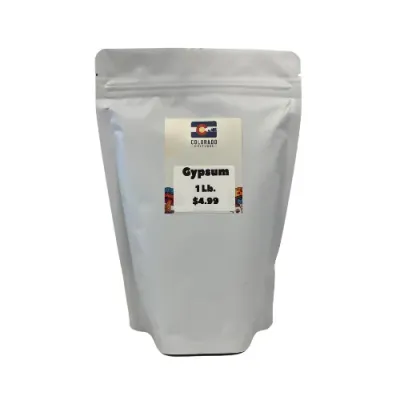
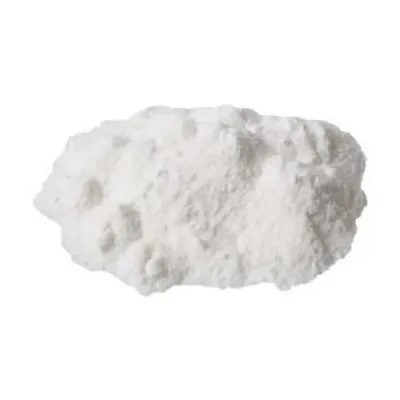
Yeso Premium de 1lb de Colorado Cultures
Vendido por Colorado Cultures
Cargando comentarios...
$4.99
Envío estimado en EE.UU. $11.95
Devoluciones en 30 días
Pago seguro — Stripe y PayPal
El envío final se calcula al finalizar la compra.
Garantía de devolución de 30 días

El mineral que mantiene unido tu sustrato
Entra en cualquier operación comercial de cultivo de hongos y pregunta al cultivador principal qué hay en su sustrato. Escucharás "coco coir" y "vermiculita" sin dudar. Luego, casi siempre, una pequeña pero enfática adición: "y yeso, por supuesto."
El yeso es la tercera pata del taburete de sustrato CVG.El coco coir proporciona el volumen. La vermiculita proporciona los espacios de aire y la retención de agua. Y el yeso proporciona todo lo demás — amortiguación del pH, nutrición de calcio, cohesión estructural y resistencia a la contaminación que los otros dos ingredientes no pueden ofrecer por sí solos.
Las Culturas de Colorado bolsa de yeso premium de 1 libra es el suministro para cultivadores para mezclar tu propio sustrato a granel, capas de cobertura o recetas especializadas. Tamaño para el cultivador doméstico que maneja de uno a cuatro monotubos a la vez.
Qué es realmente el yeso
El yeso es un mineral que ocurre de forma natural — químicamente, sulfato de calcio dihidratado (CaSO₄·2H₂O). Se extrae de depósitos formados por mares evaporados antiguos, donde los iones de calcio y sulfato disueltos se precipitaron y acumularon durante millones de años.
Para uso en cultivo, el yeso es extraído, secado y molido en un fino polvo blanco. El polvo es prácticamente neutro en pH, soluble en agua en bajas concentraciones y químicamente estable a través de las temperaturas y condiciones encontradas en el sustrato de hongos.
Qué hace el yeso en el sustrato de hongos
En una mezcla CVG o cualquier sustrato enmendado con yeso, el mineral desempeña cuatro roles críticos:
1. amortiguación del pH
El micelio de los hongos crece mejor en un ambiente ligeramente alcalino a neutro (pH 6.5-7.5). El pH del sustrato varía naturalmente durante la colonización — el micelio produce ácidos orgánicos a medida que metaboliza carbohidratos, acidificando gradualmente el sustrato.
Sin amortiguación del pH, esta acidificación puede:
- Retrasar la colonización a medida que el sustrato se vuelve cada vez más hostil para el crecimiento micelial
- Aumentar el riesgo de contaminación a medida que las bacterias tolerantes al ácido encuentran una apertura
- Reducir el rendimiento al suprimir la fructificación en etapas tardías
Yeso actúa como un amortiguador contra esta deriva al liberar lentamente iones de calcio y sulfato que neutralizan los ácidos que se producen. El sustrato se mantiene en el rango de pH óptimo para la micología durante todo el ciclo de cultivo.
2. Nutrición de calcio
El micelio de champiñón y los cuerpos fructíferos necesitan calcio para varios procesos biológicos:
- Estructura de la pared celular — la quitina en las paredes celulares de los hongos incorpora calcio
- Función enzimática micelial — muchas enzimas fúngicas dependen del calcio
- Formación de pinchos — la concentración de calcio afecta el desarrollo de primordios
- Densidad del cuerpo fructífero — los champiñones alimentados con calcio son más densos y carnosos
El yeso es la fuente de calcio más disponible para el sustrato de champiñones — lo suficientemente soluble en agua para que el micelio pueda acceder a él, pero lo suficientemente estable como para que no se lave rápidamente del sustrato.
3. Cohesión estructural
Un sustrato puro de coir-vermiculita tiende a compactarse bajo su propio peso durante un ciclo de cultivo largo. El sustrato compactado restringe el movimiento del aire, fomenta las bacterias anaerobias y reduce la propagación micelial.
Yeso resiste esta compactación al agregar masa mineral distribuida a lo largo del sustrato. El sustrato mantiene una matriz aireada incluso después de semanas de crecimiento micelial y alto contenido de agua.
4. Resistencia a la contaminación
El efecto de amortiguación ligeramente alcalino del yeso también inhibe muchos contaminantes comunes. Trichoderma, el contaminante más frecuente en monotub, prefiere sustrato ácido; el sustrato amortiguado con yeso es menos hospitalario para Trichoderma infección. Muchos contaminantes bacterianos de manera similar prefieren ambientes de pH más bajo.
El sustrato no es estéril, pero está sesgado hacia condiciones que favorecen el micelio sobre los competidores.
Por qué importa la "calidad premium"
El mercado del yeso incluye múltiples grados y calidades:
- Yeso para paneles de yeso — fabricado para la construcción; a menudo contiene aditivos, fragmentos de papel y pureza poco confiable
- Yeso para jardines — vendido como enmienda del suelo; tamaño de partícula y pureza variables
- Yeso industrial — utilizado en cemento y yeso; químicamente puro pero molido para aplicaciones no alimentarias
- Yeso hortícola / micológico premium — obtenido por su pureza y consistencia, molido al tamaño de partícula apropiado para el trabajo con sustratos
Las Culturas de Colorado Yeso Premium se obtiene por aplicaciones específicas de micología:
- Surtido por pureza — contaminantes mínimos, sin aditivos hortícolas
- Finamente molido — tamaño de partícula adecuado para la mezcla de sustratos
- Calidad consistente de lote a lote
- Especificaciones de grado micológico que garantizan resultados de cultivo confiables
[VERIFICAR la fuente exacta y las especificaciones de molienda con el proveedor de Colorado Cultures]
Para qué puedes usar esto
Mezcla de sustrato a granel CVG (aplicación principal)
La receta estándar de micología:
- 2 lbs de coco coir (rehidratado)
- 2 lbs de vermiculita
- 1 lb de yeso (este producto)
Una bolsa de 1 libra de yeso es suficiente para un lote de 5 lbs de sustrato CVG — tamaño adecuado para la escala típica de cultivo en casa.
Mejora de la capa de cobertura
Para cultivadores que utilizan capas de cobertura de vermiculita, una pequeña cantidad de yeso (5-10% en volumen) añadida a la cobertura mejora el amortiguamiento del pH en la superficie de fructificación.
sustrato de pastel BRF
Para el cultivo tradicional de pasteles de harina de arroz integral, a veces se añade yeso a la mezcla de BRF por los mismos beneficios de amortiguación y calcio.
Enmiendas de sustrato a base de estiércol
Algunos cultivadores que utilizan sustratos a base de estiércol de caballo o vaca añaden yeso para equilibrar el contenido de nitrógeno a menudo alto del estiércol. El calcio ayuda a moderar la química del sustrato.
Experimentos de sustrato personalizados
Para los cultivadores que desarrollan sus propias recetas de sustrato, el yeso es una enmienda estándar — típicamente del 5-10% en peso de la mezcla total.
Cálculo de cantidad
¿Cuánto yeso para tu cultivo?
| Tamaño del cultivo | Sustrato CVG necesario | Yeso necesario |
|-----------|---------------------|---------------|
| Pequeño (monotubo de 12qt) | 5 lbs CVG | 1 lb (este producto) |
| Mediano (monotubo de 24qt) | 10 lbs CVG | 2 lbs (2 de estos) |
| Grande (monotubo de 30qt+) | 15-20 lbs CVG | 3-4 lbs |
| Bolsa AIO (3 lb de spawn) | N/A (sustrato premezclado) | 0 lbs |
| Solo capa de cobertura | N/A | 1/8 a 1/4 lb por cámara |
Para un solo cultivo de tamaño mediano, la bolsa de 1 libra es exactamente el tamaño correcto.
¿Quién compra esto?
- Cultivadores que mezclan su propio sustrato a granel en lugar de comprar CVG premezclado
- Mejoradores de capa de cobertura añadiendo yeso para la amortiguación del pH
- Cultivadores de pasteles BRF utilizando yeso como una enmienda tradicional
- Cultivadores de sustrato a base de estiércol equilibrando recetas ricas en nitrógeno
- Experimentadores desarrollando fórmulas de sustrato personalizadas
- Cualquiera que esté reponiendo sus suministros de mezcla de sustrato
Lo que esto NO es
- No es un sustrato completo — el yeso es un ingrediente, típicamente 10-20% de la mezcla
- No es un fungicida ni una cura para la contaminación — el efecto del pH del yeso inhibe algunos contaminantes pero no los elimina
- No es apropiado para todas las especies — las especies que aman la madera (setas, melena de león, reishi) prefieren sustratos a base de madera dura donde el yeso tiene menos impacto
- No contiene asbesto — el yeso es naturalmente libre de asbesto
- No es un producto alimenticio — solo para uso en sustrato
Para todos los que mezclan CVG, envasando cámaras de fructificación de cubensis, o abasteciendo el banco de micología, el yeso es el tercer aditivo esencial junto con fibra de coco y vermiculita. La bolsa de 1 libra es el tamaño adecuado para el cultivador doméstico que realiza de 1 a 4 cultivos a la vez.