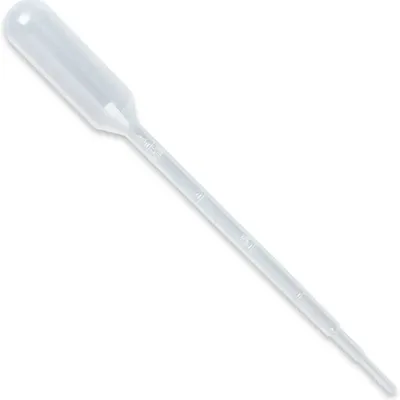
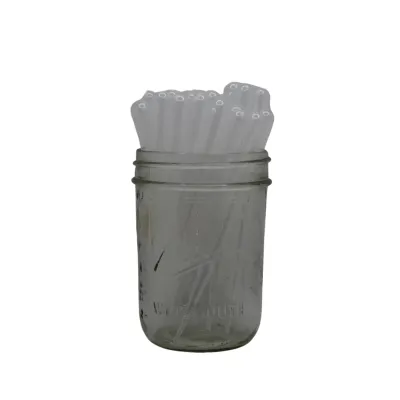
Pipetas de transferencia de plástico de 3 ml - Paquete de 5
Vendido por Colorado Cultures
Cargando comentarios...
$2.99
Envío estimado en EE.UU. $6.60
Devoluciones en 30 días
Pago seguro — Stripe y PayPal
El envío final se calcula al finalizar la compra.
Garantía de devolución de 30 días

La pequeña herramienta de laboratorio con un gran impacto en el cultivo
Cuando la mayoría de las personas piensan en suministros para el cultivo de hongos, piensan en los artículos más costosos: cámaras de fructificación, bolsas de cultivo, sustrato, jeringas de cultivo líquido. Las pipetas generalmente no están en la lista.
Pero para los cultivadores que realizan trabajo de laboratorio real — transferencias de agar, preparación de LC, cultivo de tejidos, microscopía — las pipetas de transferencia pequeñas son una de esas herramientas silenciosamente esenciales que no aprecias hasta que las tienes. Una vez que las tienes, te preguntas cómo cultivabas sin ellas.
Las Culturas de Colorado Pipetas de Transferencia de Plástico — 3 ml — Paquete de 5 son pipetas desechables de grado de laboratorio específicamente adecuadas para aplicaciones de micología: dibujar y depositar volúmenes pequeños precisos de cultivo líquido, agua estéril, solución de esporas u otros fluidos en contextos de cultivo.
Lo que realmente hacen las pipetas
Una pipeta de transferencia es un tubo de plástico de una sola pieza con un bulbo en un extremo y una punta cónica en el otro. Aprieta el bulbo para expulsar aire; suelta el bulbo mientras la punta está en líquido para aspirar el fluido; aprieta el bulbo nuevamente para expulsar el líquido.
El resultado: transferencia precisa y estéril de pequeños volúmenes de líquido sin necesidad de ensamblar jeringa y aguja. La pipeta es autónoma, de un solo uso y estéril.
En comparación con una jeringa con aguja:
- Sin manipulación de agujas — sin eliminación de objetos punzantes, sin riesgo de pinchazo por aguja
- Operación más rápida — aprieta, sumerge, aprieta (sin necesidad de acoplar aguja, esterilización por llama, etc.)
- Mejor para transferencias sin inyección — cuando estás moviendo líquido de un recipiente abierto a otro en lugar de inyectar a través de un puerto
- Menor riesgo de contaminación para algunos flujos de trabajo — menos puntos de contacto que los sistemas de jeringa y aguja
¿Por qué "3 ml" específicamente?
El volumen de 3 ml es el punto óptimo para micología y laboratorio por varias razones:
- Volumen estándar de inoculación de LC: Una inyección típica de LC es de 2-3 mL en una bolsa de grano. Una pipeta de 3 ml se ajusta perfectamente a esto.
- Transferencia de agua estéril: Para diluir LC, ajustar concentraciones o enjuagar equipos — 3 mL es la transferencia estándar de pequeño volumen
- Trabajo con soluciones de esporas: Mezclando o transfiriendo soluciones de esporas de impresión a jeringa
- Trabajo con placas de agar: Depositar volúmenes precisos sobre superficies de agar
- Preparación de microscopía: Preparación de muestras de pequeño volumen para portaobjetos
Pipetas más grandes (5 mL, 10 mL) son para transferencia de fluidos a granel. Más pequeñas (1 mL, 0.5 mL) son para trabajos de laboratorio muy precisos.3 mL es el tamaño de cultivo cotidiano.
¿Por qué "tubos de alta transparencia"?
El cuerpo de la pipeta está diseñado con plástico de alta transparencia — lo que significa que puedes ver exactamente cuánto fluido estás extrayendo o depositando. Esto importa porque:
- La micología depende de la precisión del volumen — una ligera sobreinoculación puede sobre-saturar el sustrato; una subinoculación puede no establecerse
- Confirmación visual te permite verificar que el fluido está realmente en la pipeta
- Detección de burbujas es más fácil a través de tubos transparentes (las burbujas en tu LC pueden comprometer la inoculación)
- Verificación de color y claridad del fluido mientras lo manipulas
Las pipetas opacas más baratas ocultan todo esto; estás adivinando sobre el volumen y las características del fluido. Las pipetas transparentes premium te dan la retroalimentación visual que mejora los resultados.
Por qué "control óptimo de la tensión superficial"
La tensión superficial importa en el trabajo con pipetas.La interacción entre el fluido y el interior de la pipeta determina cuán limpiamente fluye el fluido. Pipetas mal diseñadas:
- Dejan el fluido adherido a las paredes interiores — no puedes entregar completamente el volumen que mediste
- Muestran entrega variable entre pipetas — mismo volumen dentro, diferente volumen fuera
- Producen burbujas o salpicaduras durante la dispensación
- Hacen que el trabajo preciso con pequeños volúmenes sea casi imposible
Las pipetas Colorado Cultures son diseñadas para el control de la tensión superficial — lo que significa que el fluido se libera limpiamente del interior cuando aprietas el bulbo. Lo que dibujas es lo que entregas.
Por qué "flexibles para un manejo preciso"
El cuerpo de la pipeta tiene un perfil de flexión específico que apoya el trabajo de precisión:
- Lo suficientemente rígido para mantener la forma durante el manejo normal
- Lo suficientemente flexible para doblarse ligeramente sin romperse al alcanzar contenedores estrechos
- La bombilla se comprime fácilmente para operación con una mano
- La punta se acerca a la superficie de trabajo sin distorsionarse
La flexibilidad hace que la pipeta sea cómoda para sesiones prolongadas de múltiples transferencias.
Lo que puedes hacer con estas pipetas
Transferencias de LC y jeringas de esporas
Mover pequeños volúmenes de cultivo líquido entre recipientes — útil cuando:
- No quieres usar una aguja (por ejemplo, transfiriendo a una placa de agar abierta)
- Estás subdividiendo LC en múltiples contenedores
- Estás enjuagando o midiendo sin inyección
Trabajo con agua estéril
Transferir agua estéril para:
- Enjuagar equipos
- Diluir LC concentrado
- Hidratar impresiones de esporas
- Preparación de muestras
Trabajo con placas de agar
Depositar volúmenes específicos sobre agar:
- 1-2 gotas de LC para inoculación
- Agua estéril para pruebas de humedad
- Soluciones de colorante o tinte para aplicaciones especiales
Procesamiento de impresiones de esporas
Mezclar impresiones de esporas secas con agua estéril:
- Transfiera la solución de agua de esporas entre contenedores
- Prepare jeringas de esporas personalizadas
- Ajuste la concentración de la solución de esporas
Preparación de microscopía
Coloque pequeños volúmenes en portaobjetos de microscopio:
- Muestras de LC o esporas para examen
- Soluciones de tinción
- Soluciones de lavado
Trabajo de cultivo de tejidos
Transfiera pequeños volúmenes para trabajo de cultivo avanzado:
- Transferencia estéril de fragmentos de micelio suspendidos en solución
- Inoculación de medios especializados
Por qué "paquete de 5" tiene sentido
Cinco pipetas por paquete reflejan un uso realista de cultivo:
- Una por sesión es la tasa de uso típica para cultivadores activos
- 5 sesiones = ~5-7 días para la rotación de cultivo típica
- Stock de reserva para sesiones inesperadas o respaldo
- Precios al por mayor vs. compra individual
Para cultivadores ocasionales, un paquete de 5 dura meses. Para cultivadores activos, los paquetes de 5 se reordenan cada 2-3 semanas.
¿Quién compra estos?
- Cultivadores que realizan trabajos de genética — placas de agar, aislamiento de LC, comparación de múltiples cepas
- Preparadores de jeringas de esporas — llenado de jeringas personalizadas, preparación de soluciones de esporas
- Entusiastas de la microscopía — preparación de portaobjetos y manejo de muestras
- Investigadores realizando experimentos controlados con mediciones de volumen precisas
- Educadores y presentadores de demostraciones — enseñando flujos de trabajo de cultivo que implican transferencia de fluidos
- Cualquiera que desee precisión en su trabajo de cultivo que las jeringas con agujas no proporcionan
Lo que esto NO es
- No es un sustituto de jeringas y agujas para inyección a través de puertos autoconstruidos. Las pipetas son para transferencias de contenedores abiertos; las jeringas son para inyección en contenedores sellados.
- No es autoclavable para reutilización. Diseño de un solo uso — desechar después de cada uso es el enfoque seguro y estéril.
- No es apropiado para volúmenes muy pequeños (menos de 0.5 ml). Para trabajos de volumen pequeño ultra precisos, use micropipetas (equipos de laboratorio especializados).
- No es apropiado para volúmenes muy grandes (más de 5 ml). Para transferencia de fluidos a granel, use herramientas de medición volumétrica más grandes.
- No es un dispositivo de medición. Las pipetas entregan volúmenes aproximados (las pipetas volumétricas son herramientas de laboratorio especializadas diferentes). Para mediciones exactas, use un cilindro graduado o un recipiente medidor.
- No es seguro para fluidos a alta temperatura. El plástico puede deformarse con contacto prolongado por encima de 150°F.
Para cultivadores que realizan trabajos serios de laboratorio y cultivo, el paquete de 5 es la herramienta de transferencia de pequeño volumen adecuada. Ingeniería premium a precios de consumidor, esterilidad de un solo uso, lista para cualquier contexto de cultivo que requiera un manejo preciso de fluidos.
Combinando con el flujo de trabajo de cultivo
Las pipetas funcionan como parte de un kit completo de cultivo:
- Con jeringas de LC para transferir pequeños volúmenes de la jeringa a otros recipientes
- Con placas de agar para depositar inóculo
- Con frascos de LC para subdividir en recipientes más pequeños
- Con portaobjetos de microscopio para la preparación de muestras
- Con viales de agua estéril para enjuague y dilución
Las pipetas complementan en lugar de reemplazar a las jeringas: diferentes herramientas para diferentes tipos de transferencia.