How to Get Rid of Trichoderma (Green Mold) in Mushroom Grows
By Louis
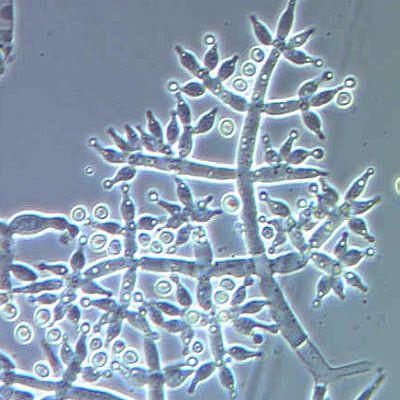
Dealing with Trichoderma
Trichoderma (commonly known as green mold) is the most feared enemy in mushroom cultivation, capable of destroying entire grows within days. This comprehensive guide explains exactly how to get rid of Trichoderma, prevent its return, and protect your future harvests with proven, science-backed methods.
What Is Trichoderma and Why Is It So Destructive?
Trichoderma is a fast growing fungus that manifests as the classic "green mold" plaguing mushroom cultivators worldwide. It typically begins as white mycelium that closely resembles healthy mushroom growth, then rapidly transforms into bright, powdery green patches as it spreads across grain, compost, or bulk substrate.
Trichoderma acts as a parasite that doesn't just compete with mushroom mycelium, it actively attacks and kills it. For this reason, Trichoderma is considered a major pathogen in mushroom cultivation. Once green spores become visible, the mold has already released vast numbers of reproductive units into the surrounding environment, seeding recurring outbreaks across multiple future grows. Research shows Trichoderma contamination can cause up to 70% yield losses when conditions favor the mold.
The fungus thrives in warm, stagnant, overly wet conditions with poor air circulation, often times the kind of environments that mushroom cultivators create when they don't go at a grow correctly. Trichoderma spores are ubiquitous (meaning that they're everywhere). Contamination occurs when these spores land on nutrient-rich substrate and conditions favor the mold's germination over mushroom colonization.
Want to learn more about how to avoid Trichoderma in the first place? Check out our article on preventing Trichoderma as well!
What to Do When You Spot Trichoderma
Early detection often determines whether Trichoderma becomes a minor setback or a complete grow failure.
Typical warning signs include:
- White mycelium that turns dull gray, then bright powdery green, especially in circular or patchy zones.
- A dusty appearance as spores form on the surface.
- Musty or earthy odor that seems 'off,' distinct from the clean smell of healthy mycelium.
- UV-reactive fluorescence when examined under UV light (Trichoderma often glows under UV exposure).
Containment Protocol
Once green spores are visible, immediate isolation is essential. The alarm bells are ringing. Be ready to answer the call. The safest approach is to:
- Seal the contaminated container immediately before attempting any manipulation inside the grow room.
- Remove it from the grow area to prevent airborne spore dispersal to nearby grows.
- Sanitize nearby surfaces with strong disinfectant after removal.
- Dispose of heavily contaminated units rather than attempting salvage operations indoors. It's better to be safe than sorry.
When to Reset Your Entire Grow
If multiple tubs, bags, or shelves develop green mold in close succession, the problem is systemic. You need to reset the grow. Not just a couple of tubs. The whole thing. Most experienced cultivators recommend:
- Halt production immediately.
- Discard all suspect materials.
- Perform top-to-bottom cleaning before starting the next cycle. Thoroughly cleaning or replacing filters and hoses, disinfecting walls, ceilings, and all reachable surfaces.
- Review each workflow step from culture to inoculation to fruiting to identify where Trichoderma enters.
- Allowing contaminated plastic surfaces to sit in direct sunlight for several days can help eliminate remaining spores, as Trichoderma is highly sensitive to dry air and UV exposure.
Trichoderma Prevention Checklist
- Spawn: Only use fully white, vigorous grain spawn with no wet, sour, or discolored spots; discard anything suspicious
- Substrate: Pasteurize or treat straw, coir, and other bulk substrates using proven time/temperature or alkaline methods
- Sterile work: Inoculate in a still air box or flow hood; sanitize tools and surfaces before and during use
- Environment: Keep the grow room clean; control humidity and FAE in monotubs and grow bags; avoid standing water or stagnant corners
- Monitoring: Check grows daily for early white-to-green patches and off smells; isolate suspect containers immediately; clean surrounding areas after removal
- Air filtration: Use HEPA filters or positive pressure systems to reduce airborne spore loads
- Biocontrol: Consider applying Bacillus subtilis biocontrol agents to substrate during spawning for added protection
The Bottom Line: A Multi-Layered Defense
Getting rid of Trichoderma requires a comprehensive, multi-layered approach rather than relying on a single "magic bullet" treatment.
Once Trichoderma sporulates and releases its characteristic green spores, the battle is largely lost for that particular grow. The focus must shift from treatment to prevention in future cultivation cycles. By implementing the science-backed methods outlined in this guide, cultivators can dramatically reduce Trichoderma incidence and maintain productive, contamination-free grows.
For premium mushroom growing supplies and contamination prevention products, visit ShroomSpy's cultivation section.