How to Prevent Cobweb Mold (Dactylium) in Your Mushroom Grow
By Louis on 04/16/2026
Cobweb mold or healthy mycelium? Learn how to identify, treat, and prevent Dactylium before it spreads through your fruiting chamber.
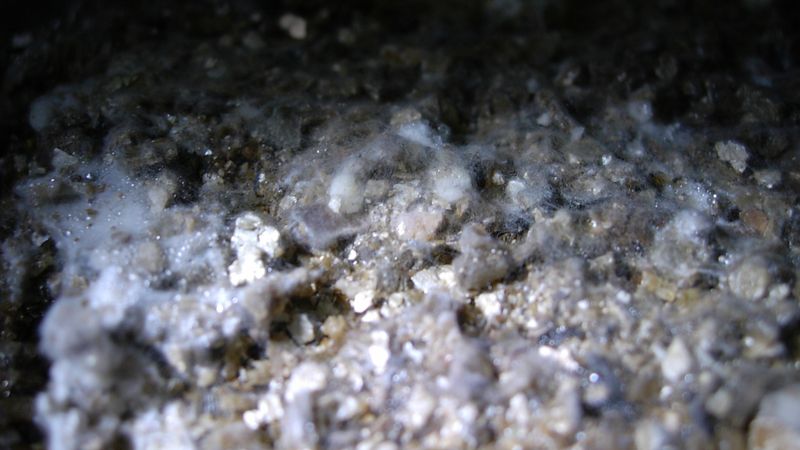
How to Prevent Cobweb Mold (Dactylium): The Complete Grower's Guide
You're a few days into your fruiting cycle, peek inside the chamber, and freeze. There's a thin, grayish-white film stretching across your substrate like someone draped spider silk over your pins. Your first instinct is panic. Your second is to Google "cobweb mold." But before you grab the hydrogen peroxide or start bagging up your grow, there's something important you need to know: the vast majority of suspected cobweb mold cases aren't cobweb mold at all. Misidentification is the rule, not the exception.
That said, genuine cobweb mold is real, it does spread fast, and knowing how to prevent cobweb mold before it appears is the difference between clean flushes and contamination cycles you can't seem to break. This guide covers identification, causes, treatment, and prevention in the level of detail that actually helps you make good decisions.
What Is Cobweb Mold, Really?
"Cobweb mold" isn't one organism. It refers to a group of closely related parasitic fungi in the family Hypocreaceae, including Hypomyces rosellus, Cladobotryum dendroides, Cladobotryum mycophilum, and various Dactylium species. They're genetically similar enough that definitive species-level identification typically requires molecular testing. From a practical standpoint, you're dealing with parasitic fungi that specifically target mushroom mycelium and fruiting bodies. They feed on fungi, which means they're almost never a problem on fresh grain spawn or early-stage colonization. They show up later, when there's established mushroom mycelium to feed on, typically on casing layers or during fruiting.
This parasitic lifestyle is why cobweb mold behaves differently from contaminants like Trichoderma or Penicillium. Those organisms compete for space and nutrients. Cobweb species specifically need a fungal host to produce the dramatic growth that cultivators fear. No host, no problem.
What this means practically: if you're seeing suspicious web-like growth on early-stage colonizing grain or bulk substrate before any casing has been applied, the odds of it being cobweb mold are low. It's probably something else.
Is It Actually Cobweb Mold? (Most of the Time, It Isn't)
Here's an uncomfortable truth: most photos posted in mushroom growing communities labeled "cobweb mold" aren't cobweb mold. The misidentification rate is high enough that some experienced cultivators joke the most common cobweb mold symptom is a nervous new grower. Before you treat anything, rule out the far more common alternatives.
Tomentose Mycelium
Tomentose mycelium is the most frequent false alarm by a wide margin. It's a normal growth form that appears fluffy, airy, and occasionally grayish, especially when temperature or humidity conditions aren't quite ideal. New growers familiar only with the dense, rope-like rhizomorphic mycelium seen in photos often mistake tomentose growth for contamination.
The difference: tomentose mycelium is white to off-white, consistent across the surface, and grows with the substrate rather than appearing to float above it. It won't disperse when you breathe on it.
Dehydrated Substrate Surface
When casing layers or bulk substrates dry out, surface mycelium takes on a grayish, wispy appearance that closely mimics early-stage cobweb mold. This is particularly common in shotgun fruiting chambers where airflow is higher than humidity management can compensate for. The fix is rehydration, not hydrogen peroxide.
Aerial Mycelium and Hyphal Knots
During pinning, mushroom mycelium sometimes produces web-like aerial structures as it begins forming hyphal knots, the earliest stage of pin development. If you're seeing wispy strands appearing right before pins form, you're watching mushrooms start to grow. Spraying that with peroxide would be a mistake.
How to Tell the Difference
The two most reliable field tests:
The breath test. Exhale gently across the suspicious growth. True cobweb mold is extremely wispy and will visibly disperse or shift. Healthy mycelium, even tomentose forms, holds its structure.
Color check. Cobweb mold is consistently grayish or silvery-white. Healthy mycelium is bright white. If you're looking at something white and fluffy, the odds heavily favor normal mycelial growth.
Growth speed. This is the most diagnostic characteristic for true cobweb mold. Dactylium can expand from a small patch to cover an entire container in 24–48 hours. That rate of expansion does not happen with normal mycelial behavior.
Location and timing. If you're fruiting with a casing layer and seeing web-like growth on the casing surface during later flushes, cobweb mold becomes more likely. If you're seeing it on uncased bulk substrate or grain during colonization, it's almost certainly something else.
Smell. Cobweb mold produces a musty, mildew-like odor. Healthy mycelium either smells earthy or has no notable smell. That said, don't inhale deeply from anything you suspect is contaminated.
Why Cobweb Mold Shows Up When It Does
Once you've confirmed you're actually dealing with cobweb mold, understanding the causes tells you exactly where your setup went wrong.
Stagnant air is the primary driver. Poor fresh air exchange (FAE) is responsible for more cobweb mold outbreaks than any other single factor. Without adequate air movement, CO2 accumulates, humidity pools on surfaces, and the stagnant environment Dactylium loves develops quickly. Commercial mushroom operations maintain continuous air movement specifically to prevent this.
High humidity combined with no airflow. Mushrooms need high humidity, but cobweb mold needs high humidity and stagnant air together. That combination is the problem, not the humidity alone. Mushroom mycelium handles 90–95% relative humidity fine with good airflow. Cobweb mold needs moisture-saturated, still air to spread aggressively.
Elevated temperatures. Cobweb mold development accelerates noticeably above 75°F (24°C). Temperatures below 65°F (18°C) can inhibit active growth, though dormant spores remain viable. This is why summer grows in uncontrolled environments see more contamination problems, and why temperature management matters beyond just mushroom development rates.
Condensation sitting on substrate. Droplets sitting directly on colonized substrate or casing create ideal localized conditions for cobweb establishment. Mist the walls of your chamber, not the substrate surface.
Casing layer composition. Cobweb mold appears almost exclusively on casing layers rather than bulk substrate. Peat-based and other organic casing materials can harbor dormant spores that activate weeks after application. If you're repeatedly dealing with cobweb mold on cased grows, the casing material is worth examining.
Aging substrate and pH shift. As substrate decomposes over multiple flushes, pH levels drift. Fresh substrate maintains conditions that favor mushroom mycelium. As it acidifies over time, conditions become progressively more favorable to contaminants, including cobweb species.
Contaminated equipment or materials. Dactylium spores arrive on unsterilized tools, recycled containers, and poorly pasteurized bulk substrate. Standard sanitation practices eliminate most of these vectors.
How to Prevent Cobweb Mold (Dactylium) Before It Starts
Prevention beats treatment every time. Building an environment that structurally discourages cobweb mold is the better play.
Dial in fresh air exchange. Fan your fruiting chamber 2–3 times daily if you're running a shotgun fruiting chamber (SGFC). If you're using a Martha tent or grow tent, set up automated FAE with a fan controller. Air should be moving regularly, not just when you remember to open the door.
Keep humidity in the 90–95% range. Not at saturation. A reliable hygrometer is non-negotiable here. Guessing your humidity level is one of the fastest routes to cobweb mold and is entirely avoidable.
Mist walls, not substrate. Direct misting creates standing droplets on your substrate surface. Mist the walls and let humidity equalize through the chamber.
Keep fruiting temperatures below 75°F. If your grow space runs warm in summer, address it directly. A small AC unit, a cooler location in your home, or evaporative cooling can meaningfully reduce contamination rates.
Sterilize grain, pasteurize bulk. PF Tek, grain-to-bulk transfers, and any casing layers need properly treated substrate. Grain jars should be fully pressure sterilized. Bulk substrates should reach adequate pasteurization temperatures and hold them long enough to suppress competing organisms.
Source casing materials carefully. If you case your grows, consider preparing your own sterile casing rather than relying on commercial peat products, or pasteurize commercial casing material before use.
Remove spent tissue between flushes. Aborted pins and dying mushroom tissue are prime establishment points for cobweb mold. Clean them out promptly rather than leaving them to sit.
Sanitize your fruiting chamber between grows. Wipe down every surface with isopropyl alcohol and let it dry completely before loading a new block or bag. Don't just rinse it.
How to Treat Cobweb Mold If You Already Have It
If you've confirmed cobweb mold is present, act immediately. Early intervention is highly effective. Late intervention is much less so.
Step 1: Increase Airflow First
Before applying anything, increase fresh air exchange aggressively. Fan the chamber more frequently or increase fan runtime if you have automated FAE. In early-stage cases, improved airflow alone can stop cobweb mold spread within 24–48 hours. If you see it retreat without chemical treatment, your environment was the primary issue and fixing it is the right solution.
Step 2: Hydrogen Peroxide Treatment
For confirmed cobweb mold that isn't responding to airflow improvements alone, hydrogen peroxide is the standard treatment. Use standard pharmacy-grade 3% hydrogen peroxide, applied undiluted directly to affected areas. The full 3% concentration is necessary for effectiveness against established growth.
Apply treatment three times over 36 hours, with 12-hour intervals between applications. You'll see immediate fizzing as the peroxide reacts with the mold. Treat not just the visible affected area but the surrounding mycelium in a buffer zone, since cobweb mold often extends beyond what's immediately visible.
Established mycelium tolerates this protocol reasonably well, though growth may slow temporarily. Don't over-apply. You're targeting the mold, not trying to sterilize the substrate.
Step 3: Salt Treatment
Salt is an older but effective method, particularly for surface contamination on casing layers. Place a damp paper towel directly over the affected area first to contain loose spores. Then pour fine-grain table salt over the towel, covering it completely. The salt creates an extreme osmotic environment that dehydrates mold cells, while the paper towel prevents spore dispersal during application. This works well as an alternative to peroxide for localized surface contamination, or as a follow-up treatment.
What Not to Do
Don't scrape cobweb mold aggressively. Scraping disperses spores across the entire chamber and turns a contained problem into a widespread one.
Save It or Dump It? A Decision Framework
Not every contaminated grow is worth saving, and not every contaminated grow needs to be dumped.
Worth treating: Coverage under 10% of the surface area, especially if confined to the casing layer, is a solid candidate. Small, isolated patches with no spread to adjacent containers are the best-case scenario. Late-stage grows approaching harvest may justify treatment even with more coverage, provided you can isolate affected areas and harvest clean mushrooms from uncontaminated sections.
Dump it: Coverage above 25% of the surface rarely recovers and poses real cross-contamination risk to anything else in your grow space. Deep substrate penetration makes recovery unlikely. If you've treated once and the mold returns or keeps spreading, you have a spore reservoir in the environment that will keep reinfecting. Dispose and fully sanitize before running new grows.
Risk assessment: Factor in what's nearby. Disposing of one contaminated block to protect multiple healthy containers is usually the right trade. If the affected culture carries genetics you can't replace, a more aggressive treatment attempt may be worth the risk. If it's a standard commercial strain, it isn't.
Products That Help You Stay Ahead
The cleanest grows come from the right setup. At ShroomSpy.com, you'll find hygrometers and humidity controllers that take the guesswork out of environment management, sterilized grain jars and pre-pasteurized bulk substrates that eliminate one of the biggest contamination entry points, and the fruiting chamber supplies that make consistent FAE easier to maintain. If cobweb mold keeps showing up in your grows, the fix is almost always environmental. Getting the right tools in place is a one-time investment that pays off across every grow you run.
Cobweb Mold vs. Other Contaminants: Quick Reference
When you're staring at something suspicious, here's how common contaminants compare:
- Healthy mycelium (tomentose): White, fluffy, holds structure when breathed on, no smell or earthy smell. Extremely common and frequently misidentified as cobweb mold.
- Cobweb mold (Dactylium / Cladobotryum): Gray-white, wispy, disperses with breath, musty smell, spreads fast, appears primarily on casing layers or during fruiting.
- Trichoderma (green mold): Starts white, turns green or dark as it sporulates. Serious contamination requiring disposal in most cases.
- Bacterial blotch: Slimy patches with a foul, sour smell. Not fungal. A sign of substrate issues or contaminated water.
- Lipstick mold (Sporendonema purpurascens): Pink or orange tint, commonly found in straw-based substrates.
If the growth you're looking at is changing color, has a slimy texture, or smells rotten, you're probably not dealing with cobweb mold. Those are signs of something more serious.
Common Myths Worth Clearing Up
"Hydrogen peroxide only kills the mold, not the mycelium." Not exactly. Hydrogen peroxide affects all fungal organisms to varying degrees. Established mycelium tolerates treatment at the right concentration, but overdoing it damages your grow. Identify first, treat second.
"Cobweb mold is everywhere." True cobweb mold is actually relatively uncommon in well-managed home grows. The perception that it's constant is largely driven by widespread misidentification. Experienced growers often go long stretches without seeing a genuine case.
"Fast growth equals cobweb mold." Vigorous mycelium under optimal conditions can also colonize quickly. Growth speed is one indicator, not a diagnosis on its own. Use multiple criteria before concluding you have cobweb mold.
"Any gray growth is contamination." Healthy mycelium can appear grayish from dehydration, aging, certain lighting conditions, or natural genetic variation in some strains. Gray alone isn't a diagnosis.
Conclusion
Cobweb mold is manageable, but only if you actually have it. The first job is accurate identification, because the most common outcome of cobweb mold panic is treating perfectly healthy mycelium with peroxide and slowing down a grow that was doing fine. If you've confirmed it's genuine Dactylium, the response is straightforward: increase airflow immediately, treat with undiluted 3% hydrogen peroxide over 36 hours, consider salt treatment for surface casing contamination, and assess honestly whether the grow is worth saving or whether a clean start is the smarter move.
Prevent it long-term by keeping temperatures below 75°F, maintaining humidity in the 90–95% range with adequate FAE, misting walls rather than substrate, and sanitizing between grows. The environment is almost always the root cause. Fix the environment and cobweb mold mostly takes care of itself.
Ready to take your mycology journey to the next level? Browse our full range of mushroom products at ShroomSpy.com/mushrooms/products and find everything you need to grow, forage, and thrive.
Frequently Asked Questions
Is cobweb mold dangerous to my mushroom grow?
Cobweb mold (Dactylium) won't destroy your grow overnight, but it does compete directly with mushroom mycelium and will reduce yields if left untreated. Caught early, it's very manageable. Caught late, especially after it's penetrated beyond the casing layer, recovery becomes much harder.
How do I tell the difference between cobweb mold and mycelium?
Breathe gently on the growth. Healthy mycelium holds its structure. Cobweb mold is wispy and will visibly shift or disperse. Color matters too: cobweb mold is consistently gray or silvery-white, while healthy mycelium is bright white. Also consider where and when you're seeing it: growth on early-stage grain or uncased bulk substrate during colonization is almost certainly not cobweb mold.
Does hydrogen peroxide kill cobweb mold?
Yes. Use standard 3% hydrogen peroxide from the pharmacy, applied undiluted directly to affected areas. Apply three times over 36 hours, with 12-hour intervals between treatments. Treat the visible contamination plus a buffer zone around it. Established mycelium tolerates this protocol, though growth may slow temporarily.
Can I use salt to treat cobweb mold?
Yes. Place a damp paper towel over the affected area to contain spores, then pour fine-grain table salt over the towel. The salt dehydrates mold cells through osmosis. This works well for surface contamination on casing layers and can be used as an alternative or follow-up to hydrogen peroxide treatment.
What humidity level prevents cobweb mold?
Target 90–95% relative humidity in your fruiting chamber, paired with adequate fresh air exchange. The dangerous combination is high humidity plus stagnant air. Humidity in the right range with good airflow strongly favors mushroom growth over cobweb mold.
At what temperature does cobweb mold grow best?
Cobweb mold development accelerates above 75°F (24°C). Temperatures below 65°F (18°C) can inhibit active growth, though dormant spores remain viable. Keeping your fruiting environment below 75°F is one of the more effective passive prevention measures, especially during warm months.
When should I dump a cobweb mold contamination instead of treating it?
Dump it if the contamination covers more than 25% of the surface, if it has penetrated beyond the casing into the bulk substrate, if it has spread to multiple containers, or if it returns after a full treatment cycle. Treat it if it covers under 10% of the surface, is confined to the casing layer, and has not spread to adjacent grows.
Check out our growing products!
Frequently Asked Questions
Most of the time it isn't. The article notes that the majority of suspected cobweb mold cases are misidentifications, most often tomentose mycelium, dehydrated substrate surface, or aerial mycelium and hyphal knots forming before pins. Genuine cobweb mold is consistently gray or silvery-white, very wispy, and tends to appear on casing layers or during fruiting rather than on early-stage grain or uncased bulk substrate.