Responsible Foraging 101: Ethical Mushroom Harvesting Guide
on 12/24/2025
Learn how to forage for mushrooms responsibly with this beginner-friendly guide. Covering safety, legality, sustainability, and best practices for nature-loving fungi fans.
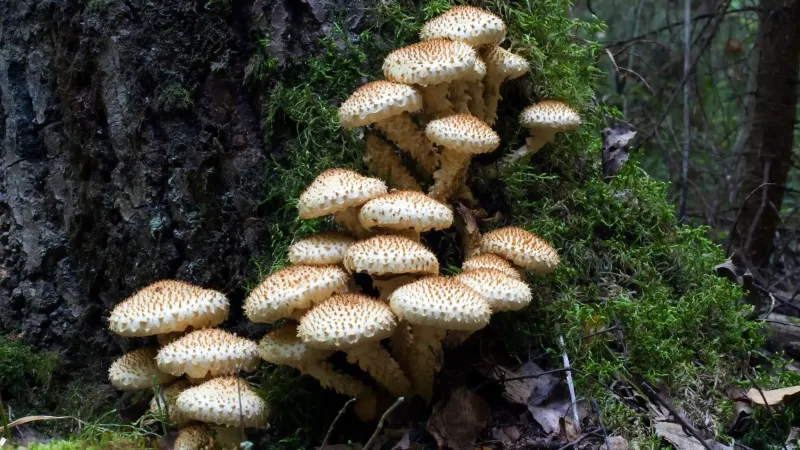
Ah, foraging. That magical mix of hiking, treasure hunting, and culinary mushrooms. There’s nothing quite like spotting your first mushroom species cluster peeking through the moss or finding a lone morel standing proud among the leaves.
But with great fungi comes great responsibility.
Mushroom foraging isn't just about what you bring home—it's about how you show up in the woods. So before you grab your basket and blade, let’s talk ethics, safety, and how to become a guardian of the forest, not just a guest.
Why Responsible Foraging Matters
The recent surge in interest around wild mushrooms has been amazing. But it’s also brought increased pressure on ecosystems, especially when foraging becomes more extraction than appreciation.
Overharvesting, trampling habitats, or misidentifying species doesn’t just ruin the moment. It can disrupt delicate networks that fungi support underground. growing guides (the root-like structure of mushrooms) plays a vital role in forest health.
So yes, you can forage—and you absolutely should! Just do it mindfully.
Rule 1: Know the Law Before You Go
Not all land is fair game. Foraging laws vary wildly by country, state, and even park.
Always check:
- Is foraging allowed on this land? Some parks allow limited gathering; others ban it completely.
- Is there a daily limit? Some areas limit the number of pounds or types of mushrooms you can collect.
- Do you need a permit? Forestry services often offer foraging licenses for commercial or personal use.
Bonus tip: Join a local mycology club. They often have up-to-date info on regional rules.
Rule 2: Know Your Mushrooms
The golden rule: If you aren’t 100% sure, leave it alone.
Many edible mushrooms have toxic lookalikes. Don’t play roulette with your liver.
Key tips:
- Use multiple sources to ID (guidebooks, apps, local experts).
- Pay attention to habitat: Some mushrooms only grow under specific trees or in certain soils.
- Bring a field guide with clear photos and spore print instructions.
- Take notes: Document what you find, where, and when. It’s great for learning (and safety).
And remember—even experienced foragers consult guides. There’s no shame in caution.
New Tool of the Trade: iNaturalist & Citizen Science
Want to go from casual forager to citizen scientist? Meet iNaturalist — a free app that lets you document your finds, crowdsource identifications, and contribute to global biodiversity data.
Why it’s a forager’s best friend:
- Photo-based ID help: Snap a pic, and AI + community experts suggest IDs.
- Geo-tagging: Log exactly where you found your mushrooms (privately or publicly).
- Learning tool: Track species by season, habitat, and trends in your area.
- Conservation impact: Your data helps scientists study fungal ranges and climate shifts.
Use iNaturalist as a digital field notebook. On your next hike, take time to log each mushroom even if you don’t plan to pick it. You’ll sharpen your skills, and you’ll help science grow.
Rule 3: Tools of the Thoughtful Forager
- Basket or mesh bag: Keeps mushrooms fresh and spreads spores as you walk.
- Small knife: For clean cuts at the base.
- Brush: Gently clean dirt without harming the cap.
- Notebook or app: Track your finds and locations.
- GPS or map: So you don’t get lost in your excitement.
Rule 4: Harvest with Respect
- Never pick everything. Leave young mushrooms to grow, and old ones to spore.
- Don’t disturb the ground more than needed. Mycelium lives there.
- Avoid rare or threatened species. Know what’s endangered in your area.
- Take only what you’ll use. Foraging is about connection, not hoarding.
Rule 5: Walk Lightly, Literally
Your boots can crush delicate mosses and underground networks. Stay on established paths when possible. If you venture off-trail:
- Avoid wet areas that are extra sensitive.
- Step on rocks or durable surfaces where possible.
- Leave no trace. That includes trash, broken branches, or disturbed logs.
Rule 6: Teach Others (But Wisely)
Foraging wisdom is best shared. But be mindful about:
- Geotagging: Revealing exact locations online can attract destructive crowds.
- Species disclosure: Encourage learning over copying. Offer ID tips, not just names.
- Mindful mentorship: Take newbies under your wing and show them the ropes—safely.
Rule 7: Give Back to the Land
Being a responsible forager means contributing, not just consuming.
- Pick up litter when you see it.
- Support land conservation groups who protect wild habitats.
- Participate in citizen science projects (many track fungi populations).
- Log your finds on iNaturalist to help track changes in biodiversity and mushroom seasons.
Bonus: Post-Forage Prep & Safety
- Clean mushrooms gently with a brush or damp cloth.
- Cook them! Many wild mushrooms are unsafe raw.
- Start small if trying a new species. Some people react even to edibles.
- Label and date your finds. This keeps your fridge from becoming a fungal mystery zone.
Final Thoughts: Leave the Forest Better Than You Found It
Foraging is more than food. It’s an invitation to participate in a living ecosystem, to tune into the subtle rhythms of the wild.
By practicing respectful, legal, and sustainable harvesting, you ensure that both the mushrooms and the magic remain for generations to come.
So go ahead, lace up your boots, grab your basket, and get out there. Just remember: take only what you need, and give back what you can.
Explore Our Foraging Tools
Frequently Asked Questions
It depends on the land. Foraging laws vary by country, state, and even individual parks, with some allowing limited gathering and others banning it completely. Before you go, check whether foraging is allowed, whether there is a daily limit on pounds or types collected, and whether a permit is required, since forestry services often offer foraging licenses for personal or commercial use. Joining a local mycology club is a good way to get up-to-date regional rules.