One Dose of Psilocybin Changed Healthy Brains for a Month
By Louis on 05/11/2026
A UCSF & Imperial College study published in Nature Communications found a 25mg psilocybin dose produced measurable brain changes lasting up to a month.
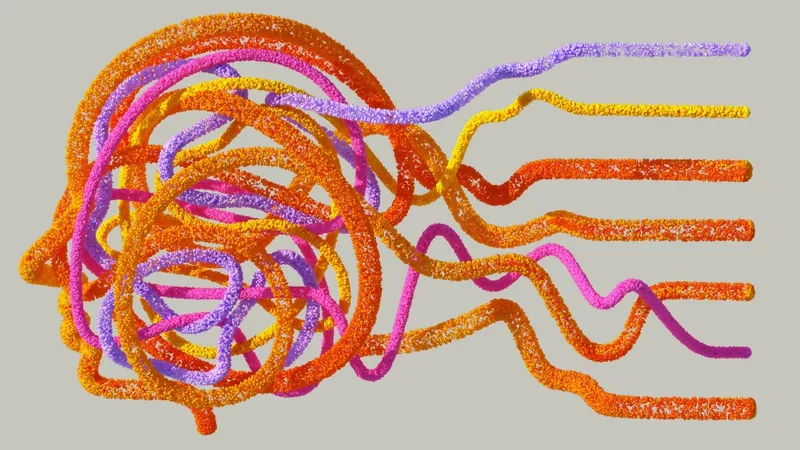
One Dose of Psilocybin Changed Healthy Brains for a Month. Scientists Now Know Why.
The question that has followed psilocybin research for years isn't really whether it works. A growing body of clinical evidence has established that it can be therapeutically effective for depression, anxiety, and addiction. The harder question has been mechanistic: what is actually happening in the brain, and why does a single experience produce effects that outlast the trip by weeks or months?
A study published in Nature Communications on May 5, 2026 by researchers at UC San Francisco and Imperial College London is the most detailed attempt yet to answer that question using healthy, first-time participants. The results are the clearest picture the science has produced so far of how psilocybin interacts with brain structure and function over time.
Why Study Healthy Volunteers
Most psilocybin research to date has been conducted in people with diagnosed conditions: treatment-resistant depression, end-of-life anxiety, addiction. That approach is clinically motivated but scientifically limiting. Pre-existing conditions introduce variables that make it harder to isolate the direct biological effects of the compound.
The UCSF and Imperial College team took a different approach. They recruited 28 healthy adults who had never taken a psychedelic substance in their lives. The absence of diagnosed conditions gave the researchers greater freedom to conduct more comprehensive testing and observe the drug's effects against a cleaner baseline.
The study design used a within-subjects structure: each participant received a 1mg dose of psilocybin one month before receiving a full 25mg dose. At 1mg, psilocybin produces no perceptible psychedelic effect and functioned as a placebo. This allowed the team to compare brain and psychological measurements before and after the full psychedelic experience using each participant as their own control.
Brain activity was recorded using electroencephalography during both dosing sessions. Functional MRI and diffusion tensor imaging were used to assess brain connectivity and structure before each dose and again one month afterward.
What Brain Entropy Actually Means
The central concept in the research is brain entropy, and it's worth unpacking before getting into the results.
Entropy, in the context of brain activity, refers to the diversity and richness of neural signaling occurring at any given moment. A highly ordered brain, one with low entropy, has neural activity that is relatively predictable and patterned. A high-entropy brain is processing a broader, more varied body of information simultaneously.
Low entropy isn't inherently problematic. It's associated with routine cognitive function. But research has linked excessively rigid, low-entropy brain states to conditions characterized by repetitive thought patterns: rumination in depression, fixated thinking in addiction, intrusive cycles in anxiety. The brain gets locked into narrow grooves of activity and struggles to deviate.
Senior author Robin Carhart-Harris, the Ralph Metzner Distinguished Professor of Neurology at UCSF, has framed the psychedelic experience in terms of its capacity to disrupt those patterns. The word "psychedelic," he notes, derives from roots meaning "psyche-revealing," and the team's data positions the entropic state the drug creates as functionally important rather than incidental to therapeutic outcomes.
What Happened Within an Hour
Within 60 minutes of taking the 25mg dose, EEG recordings showed a significant increase in brain entropy relative to the 1mg placebo session. The brain, under the influence of psilocybin, was processing a richer and more diverse body of information than it was in its baseline state.
This acute entropy increase turned out to be predictive. The participants who showed the largest spike in brain entropy during the experience were the most likely to report increased psychological insight the following day. Insight here refers to emotional self-awareness: the capacity to understand one's own feelings, motivations, and thought patterns from a perspective that felt genuinely new rather than reinforcing established beliefs.
That connection between entropy during the experience and insight afterward is the team's core mechanistic argument. It suggests the subjective intensity of the psychedelic trip is not merely a side effect of the drug but a functionally relevant component of how it produces downstream effects.
First author Taylor Lyons, a research associate at Imperial College London, described psilocybin as loosening stereotyped patterns of brain activity and giving participants the capacity to revise entrenched ways of thinking. The entropy measurements gave that description a biological grounding.
What Changed One Month Later
The acute findings were striking. The structural findings one month later were the genuinely novel part of the research.
Diffusion tensor imaging, a scanning technique that measures the movement of water molecules along neural pathways and uses it to assess the structural integrity of white matter tracts, revealed that the neural tracts connecting the front of the brain to the middle were denser one month after the 25mg dose than they had been before. Axial diffusivity, a measure of how freely water moves along neural fibers, had decreased bilaterally in prefrontal-subcortical tracts. Decreased axial diffusivity indicates denser, more structurally coherent tissue.
To understand why this is significant, it helps to know what normally happens to these tracts over time. Ageing tends to produce more diffuse, less structurally coherent white matter, not denser, more integrated tissue. The direction of change observed one month after a single psilocybin dose was, in that specific sense, opposite to the direction of age-related deterioration.
The research team was careful to caution that the meaning of these structural changes requires further investigation. This is an exploratory study in a small sample of 28 participants, and the mechanisms connecting the structural observations to functional outcomes are not yet fully characterized. What the DTI data does establish is that the changes are measurable and anatomically specific, concentrated in the pathways most associated with the cognitive flexibility outcomes observed in the behavioral testing.
Imperial College Psychotropic Research Center
The Behavioral Outcomes
The brain imaging data sat alongside a set of psychological measures that told a consistent story.
All but one of the 28 participants rated the 25mg experience as the single most unusual state of consciousness they had ever experienced. The remaining participant rated it among their top five. That unanimity is relevant context for interpreting the psychological outcomes that followed.
In the days and weeks after the session, participants reported measurably increased psychological insight relative to their post-placebo baseline. They also scored higher on well-being measures at both two-week and one-month follow-up points, responding to prompts including "I've been feeling optimistic about the future" and "I've been dealing with problems well." At the one-month mark, cognitive flexibility testing also showed improvement.
Critically, the researchers identified a chain of relationships in the data: entropy during the experience predicted insight the next day, and insight the next day predicted improved well-being a month later. This sequential pattern gives the team a clearer picture of how the drug's acute effects might translate into the sustained improvements observed in clinical settings.
Carhart-Harris summarized the significance directly: the team already had evidence that psilocybin could be therapeutically useful. What the study now provides is a more complete account of how.
ShroomSpy's legal mushrooms from ShroomSpy for curious learners of the world
What This Does and Does Not Mean
A few things are worth stating clearly.
This study was conducted in healthy adults without diagnosed mental health conditions, not in patients receiving psilocybin as a treatment. The sample size of 28 is small by clinical standards. The study is described by the researchers themselves as exploratory. These are appropriate reasons to treat the findings as significant but preliminary.
Psilocybin remains a Schedule I controlled substance in the United States at the federal level. It is not legally available as a consumer product in most jurisdictions. The research covered here is clinical science conducted under institutional approval, not an endorsement or guide to personal use.
What the study does contribute is mechanistic clarity. The entropy-insight-wellbeing chain the researchers identified gives psilocybin therapy a more coherent biological rationale than it has previously had. It also opens a specific research direction: if the degree of brain entropy during a session predicts outcomes, then optimising dosage to reliably produce the right level of entropy becomes a meaningful clinical question. That's a meaningfully more precise framework than the field has been working with.
The Broader Picture for Fungi Research
For anyone following the mycology space, psilocybin research is one of the fastest-moving areas of fungi-related science. The compound is found naturally in over 200 species of mushroom, and the surge of serious institutional interest from UCSF, Imperial College, Johns Hopkins, and NYU over the past decade has produced a volume of rigorous peer-reviewed data that was essentially absent fifteen years ago.
The Nature Communications study joins a growing body of evidence that fungi, in their various forms, are capable of interacting with human biology in ways that are more sophisticated and more durable than early assumptions allowed. Whether the application is immune function, neurological flexibility, or antifungal defense, the pattern is consistent: the science keeps finding things worth taking seriously.
Ready to take your mycology journey to the next level? Browse our complete range of mushroom products and find everything you need to grow, forage, and thrive.
Check out our Products!
Frequently Asked Questions
The study, published in Nature Communications on May 5, 2026, examined how a single 25mg dose of psilocybin affected the brains of 28 healthy, first-time participants. Researchers found a measurable increase in brain entropy within an hour of dosing, along with denser neural tracts connecting the front and middle of the brain one month later. The team describes the findings as significant but exploratory given the small sample size.