What Are the Benefits of Mushroom Tea? Does it taste good?
By Louis on 07/30/2026
Curious about mushroom tea? Discover how mushroom tea supports immunity, focus, gut health, & stress, plus how to choose the right mushroom tea blend
What Are the Benefits of Mushroom Tea? (And Does It Taste Good?)
Mushroom tea is one of the gentlest ways into functional mushrooms. It gives you a warm daily ritual that may support focus, calm, and immunity, without the jitters of coffee or the sugar of soda. It is also one half of a bigger category, sitting right alongside mushroom coffee among functional beverages. Before you buy a blend, it helps to know what mushroom tea can actually do, how strong the evidence is, and whether it tastes like a cozy cup or a bowl of soup.
What Is Mushroom Tea?
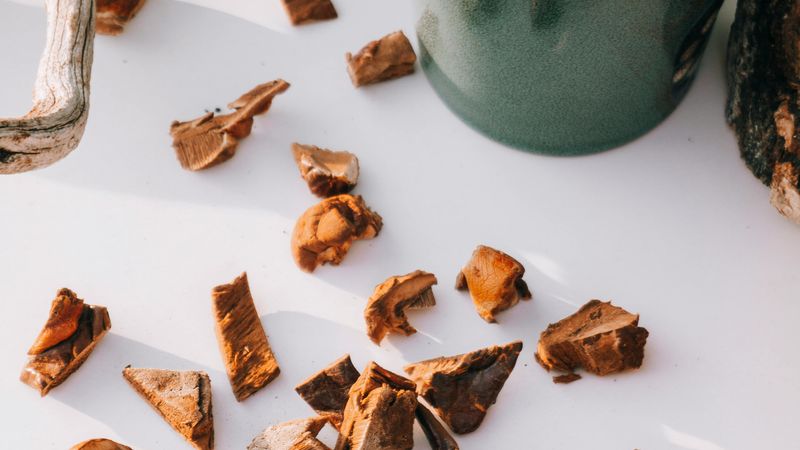
Mushroom tea is a hot drink made from functional mushrooms, the varieties traditionally used for wellness rather than the white button mushrooms you sauté for dinner. Instead of the whole mushroom, most products use a powdered extract that dissolves or steeps in hot water, so you get the active compounds without chewing on anything woody.
The species you will meet most often each lean toward a different goal: lion's mane for focus and mental clarity, reishi for relaxation and sleep, chaga for antioxidant and immune support, turkey tail for gut and immune support, and cordyceps for energy and stamina. You will find them as tea bags, instant powder sticks, or loose blends you can stir into hot water, coffee, or milk. One thing to settle right away: these are non-psychedelic mushrooms meant for everyday wellness, not the psychoactive kind.
The Benefits of Mushroom Tea (What the Evidence Actually Supports)
Mushroom tea has real potential, but the honest version separates what is well studied from what is still early. Here is each benefit with the evidence graded rather than hyped.
Gentle Immune Support
Functional mushrooms are rich in beta-glucans, a type of fiber studied for the way it may help regulate immune activity rather than crudely "boosting" it in one direction. The idea is long-term resilience, not a quick fix. Most of this evidence is mechanistic and traditional, so think of mushroom tea as one supportive habit alongside sleep, food, and movement.
Better Focus and Mental Clarity
Lion's mane is the standout for people who want to think clearly without feeling wired. Its compounds can encourage nerve growth factor in lab and animal studies, and small, early human trials have looked at focus and mood. Beginners often describe lion's mane tea as a clean, steady focus and a smoother alternative to a second coffee. The mechanism is genuinely promising, though the human data is still thin, so treat it as may-support rather than guaranteed.
Calm and Sleep Support
Reishi is the wind-down mushroom, traditionally used as an adaptogen, a term for compounds thought to help the body handle stress. People sip it in the evening to ease toward sleep. You will not feel knocked out the way some sleep aids do. It is a gentle nudge toward relaxation, and the human trials behind it are small and mixed, so keep expectations grounded.
Antioxidant Support
Everyday life piles on oxidative stress from processed food, pollution, and poor sleep, and functional mushrooms are naturally rich in antioxidants that may help the body manage it. Chaga in particular is known for its high antioxidant content, which is why many people use chaga tea as a functional swap for sugary drinks. Most of this evidence sits in lab and animal research, so it is a smart piece of a healthy lifestyle, not a cure-all.
Steady Energy Without the Jitters
If the coffee crash has worn thin, cordyceps offers a smoother curve. It is studied for stamina and oxygen use, and it has some of the more encouraging human research in the functional mushroom category. Some cordyceps teas are caffeine-free, while others are blended with coffee or green tea for a lighter, more controlled lift. It is a complement to caffeine, not a replacement for it.
What Does Mushroom Tea Taste Like?
New drinkers usually fear it will taste like soup. It does not. The flavor depends on the blend. Pure mushroom teas from chaga or reishi lean earthy and woodsy. Coffee-mushroom blends taste darker and roastier. Flavored blends with cacao, vanilla, cinnamon, or chai drink almost like dessert, and blends cut with traditional teas or calming herbs come out light and herbal. If earthy flavors put you off, start with a flavored blend and add your favorite milk with a touch of honey or maple. The same earthy-not-mushroomy rule that applies to mushroom coffee applies here too.
Is Mushroom Tea Safe for Beginners?
For most healthy adults, mushroom tea is considered safe when used as directed. A few situations call for a clinician's sign-off first: if you are pregnant or breastfeeding, have a mushroom allergy or sensitivity, live with an autoimmune condition, or take medications that affect your immune system or thin your blood. And to say it plainly one more time, functional mushroom teas are non-psychedelic and made for general wellness, not psychoactive effects. The quality and safety checklist below is the same one that keeps any functional mushroom drink trustworthy.
How to Choose a Good Mushroom Tea
Not all blends are equal, and a few label checks separate the real thing from flavored filler. Look for the mushroom species named clearly, ideally with the Latin name, so you know lion's mane means Hericium erinaceus and reishi means Ganoderma lucidum. Favor fruiting-body extracts over mycelium grown on grain, since that is where the active compounds concentrate. Check the extraction method, because a hot-water or dual extract signals better bioavailability than raw powder. Insist on a third-party certificate of analysis for purity, heavy metals, and active compounds. And skip products that are mostly sweetener, creamer, or random herbs with barely any mushroom in them.
Because ShroomSpy is a marketplace rather than a single brand, you can line up teas from different vendors against those exact signals in one place instead of trusting each label's pitch.
How to Start Drinking Mushroom Tea
Pick your goal first, since it points you to a mushroom: lion's mane for focus, reishi for calm and sleep, chaga or turkey tail for immune and antioxidant support, cordyceps for energy. Choose a format that fits your life: familiar tea bags, convenient instant powder, or flexible loose powder. Start with one serving a day at the time that matches your goal, morning for focus, evening for reishi and calm. Adjust the taste with milk, a light sweetener, or a pinch of cinnamon. Then give it time, because most benefits build gradually over weeks rather than in a single cup.Simple Recipes to Try
Three easy starting points, with full step-by-step guides linked for the tea-specific ones.
A lion's mane focus latte stirs one serving into hot water or coffee, finished with oat or almond milk, a little honey, and a pinch of cinnamon. An evening reishi wind-down steeps reishi with fresh ginger in hot (not boiling) water for five to ten minutes, lightly sweetened, sipped before bed. A chaga antioxidant brew steeps chaga as directed, then brightens with lemon and a drizzle of honey. For full walkthroughs, and to branch beyond drinks, see the dedicated guides.
The Short Version
Mushroom tea is a gentle, beginner-friendly ritual with real but modest evidence behind it. Lion's mane may support focus, reishi leans on tradition for calm, chaga brings antioxidants, cordyceps offers steadier energy, and beta-glucans may help regulate immune activity. It is a supportive daily habit, not a miracle drink. It tastes earthy rather than mushroomy, flavored blends make it easy to love, and the quality checklist, named species, fruiting body, real extraction, and lab testing, is what turns a nice idea into a cup worth drinking.
Ready to take your mycology journey to the next level? Browse our full range of mushroom products at ShroomSpy.com/mushrooms/products and find everything you need to grow, forage, and thrive.
This post covers functional mushrooms and supplements as researched foods. It does not diagnose, treat, cure, or prevent any disease, and the mushrooms discussed are non-psychoactive culinary species.
Frequently Asked Questions
Common functional mushrooms in beginner teas include lion's mane for focus and mental clarity, reishi for relaxation and sleep support, chaga for antioxidant and immune support, turkey tail for gut and immune support, and cordyceps for natural energy and stamina. These are functional mushrooms used for wellness rather than the white button mushrooms you cook with. You'll usually find them as tea bags, instant powder sticks, or loose blends.