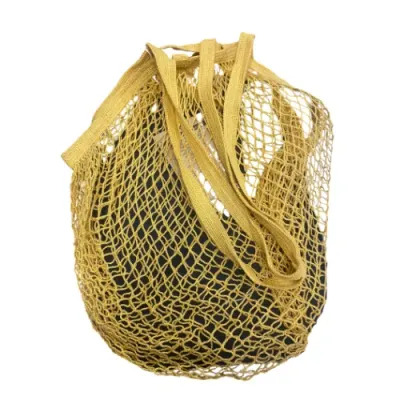
Large Eco-Friendly Reusable Foraging Bag
Sold by Colorado Cultures
Loading feedback...
$14.99
Estimated US shipping $6.90
30-day returns
Secure checkout — Stripe & PayPal
Final shipping is calculated at checkout.
30-day money-back guarantee

The bag that's designed for the wild
Cultivation is one half of the mushroom community. Foraging is the other half. Going into the woods, identifying wild specimens, harvesting them respectfully, bringing them home for identification, cooking, or further study.
But most foragers use the wrong bags. Plastic shopping bags suffocate the mushrooms (no spore dispersal, no air circulation, faster decomposition). Mesh produce bags are too small for substantial finds. Garbage bags collapse and crush delicate fruit bodies. Hard containers don't fit in backpacks. The foraging-specific bag is genuinely different equipment.
The Colorado Cultures Large Eco-Friendly Reusable Foraging Bag is designed for the avid mushroom hunter — sized for a serious foraging haul, made from eco-friendly all-organic materials, designed to preserve specimen quality during the hike back to your car or basecamp.
This is the Large size in the foraging bag line. For smaller foraging hauls or general-purpose use, see the Medium Eco-Friendly Foraging Bags (also from Colorado Cultures).
Why foraging requires the right bag
The journey from the forest floor back to your home is more damaging to mushrooms than people realize:
- Compression: Hard mushrooms (like Boletus) hold up; delicate species (Hygrocybe, Coprinus) get crushed
- Heat: Mushrooms harvested at 50°F in shaded forest then carried through 80°F sun-exposed transition spaces deteriorate rapidly
- Mechanical damage: Catching on branches, brushing against pack straps, tumbling in transit creates bruises and breaks
- Decomposition: Wet mushrooms in sealed plastic bags start sweating within hours; deterioration is rapid
- Spore dispersal: Sealed bags trap spores; preventing the natural reproduction cycle for species you want to leave behind
- Cross-species damage: Species transferred against each other can damage delicate fruit bodies
A proper foraging bag addresses all of these. Breathable material for air exchange; sturdy construction to resist crushing; size to hold a substantial haul without overcrowding; sustainable materials that don't degrade during the trip.
What makes this bag specifically
The Colorado Cultures Large Eco-Friendly Reusable Foraging Bag features:
Eco-friendly, all-organic material
- Organic cotton canvas — natural, breathable, durable
- Hemp fiber blends — exceptional durability and natural moisture-wicking
- Sustainable linen — premium, lightweight, breathable
- Wax-coated organic cotton — water-resistant but breathable variant
Why this matters:
- Breathability keeps mushrooms cool and dry during transit
- All-organic means the bag is biodegradable at end-of-life
- No synthetic dyes that could transfer to the mushrooms
- No plastic-based coatings that trap heat and moisture
- Sustainable manufacturing aligns with environmental values most foragers share
Large size
The Large version is sized for:
- Substantial single-trip foraging hauls — 3-5+ lbs of mushroom by weight
- Multiple species carried separately without crushing
- Bigger fruit bodies that wouldn't fit in smaller bags
- Multi-hour foraging trips where you accumulate finds across hours
Reusable
This isn't a single-use bag. The construction supports:
- Hundreds of foraging trips with proper care
- Hand washing or gentle machine washing between trips
- Air-drying to maintain integrity
- Years of useful life before showing significant wear
Designed for mushroom hunters
The design choices reflect actual foraging use cases:
- Drawstring or fold-over closure for security but ease of access
- Reinforced bottom to handle heavy hauls
- Padded straps or handles for comfortable carrying over long distances
- Color choices suitable for outdoor use (typically earth tones that don't show stains)
- Optional features like internal pockets for ID guides, knives, or notebook
How a proper foraging bag changes the experience
For first-time users of a real foraging bag, the difference is noticeable:
Before (plastic bag, generic tote, etc.)
- Mushrooms arrive at your kitchen partially crushed
- Some species have started decomposing
- Spore prints are difficult because the bag was sealed
- The bag rips on its first sharp-branch encounter
- You're embarrassed when other foragers see you using a plastic bag
After (proper foraging bag)
- Mushrooms arrive in excellent condition
- Specimens are clearly identifiable for ID work
- Spore prints work cleanly
- The bag handles weight, brush, and weather
- Your foraging community respects the gear
This isn't a luxury upgrade. It's the bag-equivalent of using a sharp knife vs. a butter knife — the difference between competent and amateurish.
Who buys this
- Avid mushroom foragers with multiple years of experience
- New foragers building their kit properly from the start
- Cultivators who also forage wild specimens for cultivation (cloning interesting wild finds)
- Identification enthusiasts who need clean specimens for accurate ID work
- Educators and mycology workshop leaders teaching others to forage
- Photographers documenting wild mushroom specimens
- Gift recipients in the foraging or outdoor community
- Anyone who values quality outdoor gear over disposable alternatives
- Cultivators upgrading from plastic bags for occasional wild spawn collection
- Multi-purpose outdoor enthusiasts — the bag works for general foraging (plants, herbs, etc.) too
What this is NOT
- Not waterproof. Eco-friendly natural materials breathe; they don't repel water indefinitely. Use a separate rain cover for foraging in wet conditions.
- Not a backpack. This is a foraging bag — typically shoulder-carry or handheld. For backpacking-distance foraging, you'd use it alongside a backpack.
- Not insulated. No temperature control beyond what the natural fabric provides. For long-distance or extreme-temperature foraging, consider supplementary cooling.
- Not autoclave-safe. Wash with mild soap; don't sterilize the bag.
- Not for the smallest specimens. For very small spores or fragile delicate species, use specialized containers (small glass jars with parchment lids).
- Not for commercial-scale foraging. Professional foragers may need much larger industrial bags or multiple smaller bags for sorting.
Pairing across the Colorado Cultures lineup
The Large Foraging Bag is part of a complete foraging kit:
- Medium Eco-Friendly Foraging Bags (sold separately) — for smaller hauls or as a "sorting bag" inside the Large
- Field guides and ID books — sold separately at outdoor retailers
- Sterile collection jars — for spore print specimens you want to bring back for cultivation
- Sterile Disposable Scalpels (Colorado Cultures) — for cleanly cutting specimens at the base
- The Mushroom Bible / Mycelium Running — reference books for identification and post-foraging cultivation
A complete foraging-to-cultivation workflow uses both bags + Bible + scalpels: forage wild specimens with the Large bag → bring home → use scalpels for tissue extraction → reference Bible for ID → potentially clone into cultivation.
Care instructions
After each foraging trip
- Empty all specimens from the bag
- Shake out any loose debris (dirt, leaves, spore residue)
- Wash gently with mild soap and warm water OR dry-clean
- Air dry completely before storage
Storage
- Dry, well-ventilated location
- Avoid musty basements that could cause material damage
- Pair with a cedar block for moth deterrence (especially for organic cotton variants)
Long-term care
- Inspect annually for signs of wear (frayed seams, loose threads, thin spots)
- Re-stitch loose seams with cotton thread for extending life
- Replace if the bag develops significant tears or thinning
A well-cared-for foraging bag should last 5-10+ years of regular use.
Foraging ethics
The bag enables sustainable foraging. Foraging ethics also matter:
- Only harvest what you'll use — don't strip an area of all specimens
- Identify before harvesting — uncertain ID = don't pick
- Leave the underground network — cut mushrooms cleanly at the base, don't dig up mycelium
- Respect landowner permissions — public lands have different rules than private
- Photograph rare specimens rather than removing them
- Follow local foraging regulations — some areas have permits or limits
- Don't damage habitat — minimal-impact movement through the forest
The Colorado Cultures brand supports ethical foraging. Quality equipment is one part of being a responsible forager.
Sustainability
- Biodegradable materials — the bag composts at end-of-life
- Reusable design — replaces hundreds of single-use plastic bags
- Sustainable sourcing — organic, fair-labor production
- Low carbon footprint compared to synthetic-material alternatives
For environmentally-conscious foragers, this bag represents the sustainable alternative to plastic foraging methods.