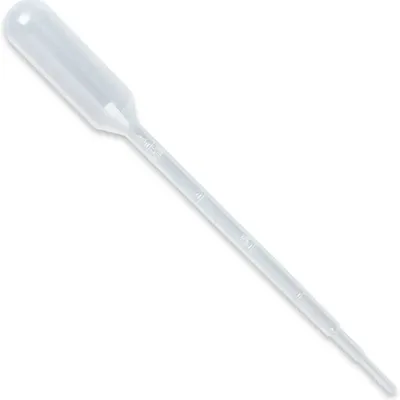
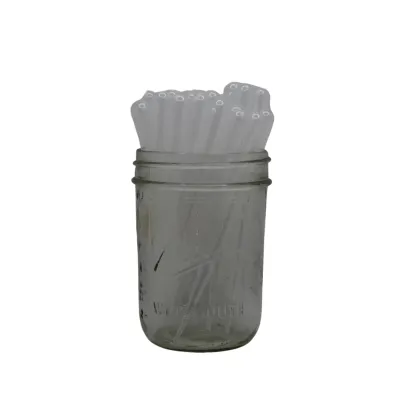
Plastic Transfer Pipettes 3 ml - 5 Pack
Sold by Colorado Cultures
Loading feedback...
$2.99
Estimated US shipping $6.60
30-day returns
Secure checkout — Stripe & PayPal
Final shipping is calculated at checkout.
30-day money-back guarantee

The small lab tool with outsized cultivation impact
When most people think of mushroom cultivation supplies, they think of the big-ticket items: fruiting chambers, spawn bags, substrate, liquid culture syringes. Pipettes don't usually make the list.
But for cultivators doing real lab work — agar transfers, LC preparation, tissue culture, microscopy — small transfer pipettes are one of those quietly essential tools that you don't appreciate until you have them. Once you do, you wonder how you cultivated without them.
The Colorado Cultures Plastic Transfer Pipettes — 3 ml — 5 Pack are lab-grade disposable pipettes specifically suited for mycology applications: drawing and depositing precise small volumes of liquid culture, sterile water, spore solution, or other fluids in cultivation contexts.
What pipettes actually do
A transfer pipette is a one-piece plastic tube with a bulb on one end and a tapered tip on the other. Squeeze the bulb to expel air; release the bulb while the tip is in liquid to draw fluid up; squeeze the bulb again to expel the liquid.
The result: precise, sterile transfer of small fluid volumes with no syringe-and-needle assembly required. The pipette is self-contained, single-use, and sterile.
Compared to a syringe with needle:
- No needle handling — no sharps disposal, no needle-stick risk
- Faster operation — squeeze, dip, squeeze (no needle attachment, flame sterilization, etc.)
- Better for non-injection transfers — when you're moving liquid from one open container to another rather than injecting through a port
- Lower contamination risk for some workflows — fewer touch points than syringe-and-needle setups
Why "3 ml" specifically
The 3 ml volume is the mycology and lab sweet spot for several reasons:
- Standard LC inoculation volume: A typical LC injection is 2-3 mL into a grain spawn bag. A 3 ml pipette fits this perfectly.
- Sterile water transfer: For diluting LC, adjusting concentrations, or rinsing equipment — 3 mL is the standard small-volume transfer
- Spore solution work: Mixing or transferring spore solutions from print to syringe
- Agar plate work: Depositing precise volumes onto agar surfaces
- Microscopy preparation: Small-volume sample preparation for slides
Larger pipettes (5 mL, 10 mL) are for bulk fluid transfer. Smaller (1 mL, 0.5 mL) are for very precise lab work. 3 mL is the everyday cultivation size.
Why "high-transparency tubing"
The pipette's body is engineered with high-transparency plastic — meaning you can see exactly how much fluid you're drawing or depositing. This matters because:
- Mycology depends on volume precision — slight over-injection can over-saturate substrate; under-injection may not establish
- Visual confirmation lets you verify the fluid is actually in the pipette
- Bubble detection is easier through transparent tubing (bubbles in your LC can compromise inoculation)
- Color and clarity check of the fluid as you handle it
Cheaper opaque pipettes hide all of this; you're guessing about volume and fluid characteristics. Premium transparent pipettes give you the visual feedback that improves outcomes.
Why "optimal surface tension control"
Surface tension matters in pipette work. The interaction between the fluid and the pipette interior determines how cleanly the fluid flows. Poorly-engineered pipettes:
- Leave fluid clinging to the interior walls — you can't fully deliver the volume you measured
- Show variable delivery between pipettes — same volume in, different volume out
- Produce bubbles or splashing during dispensing
- Make precise small-volume work nearly impossible
The Colorado Cultures pipettes are engineered for surface tension control — meaning the fluid releases cleanly from the interior when you squeeze the bulb. What you draw is what you deliver.
Why "flexible for precise handling"
The pipette body has a specific flex profile that supports precision work:
- Stiff enough to maintain shape during normal handling
- Flexible enough to bend slightly without breaking when reaching into tight containers
- Bulb compresses easily for one-handed operation
- Tip approaches the work surface without distorting
The flex makes the pipette comfortable for extended sessions of multiple transfers.
What you can do with these pipettes
LC and spore syringe transfers
Move small volumes of liquid culture between vessels — useful when:
- You don't want to use a needle (e.g., transferring into an open agar plate)
- You're sub-dividing LC into multiple containers
- You're rinsing or measuring without injection
Sterile water work
Transfer sterile water for:
- Rinsing equipment
- Diluting concentrated LC
- Hydrating spore prints
- Sample preparation
Agar plate work
Deposit specific volumes onto agar:
- 1-2 drops of LC for inoculation
- Sterile water for moisture testing
- Dye or stain solutions for special applications
Spore print processing
Mix dried spore prints with sterile water:
- Transfer spore-water solution between containers
- Prepare custom spore syringes
- Adjust spore solution concentration
Microscopy preparation
Place small volumes on microscope slides:
- LC or spore samples for examination
- Stain solutions
- Wash solutions
Tissue culture work
Transfer small volumes for advanced cultivation work:
- Sterile transfer of mycelium fragments suspended in solution
- Inoculation of specialized media
Why "5-pack" makes sense
Five pipettes per pack reflects realistic cultivation use:
- One per session is the typical use rate for active cultivators
- 5 sessions = ~5-7 days for typical cultivation rotation
- Buffer stock for unexpected sessions or backup
- Bulk pricing vs. individual purchase
For occasional cultivators, a 5-pack lasts months. For active cultivators, 5-packs are reordered every 2-3 weeks.
Who buys these
- Cultivators doing genetics work — agar plates, LC isolation, multi-strain comparison
- Spore syringe preparers — custom syringe filling, spore solution preparation
- Microscopy enthusiasts — slide preparation and sample handling
- Researchers running controlled experiments with precise volume measurements
- Educators and demo presenters — teaching cultivation workflows that involve fluid transfer
- Anyone wanting precision in their cultivation work that syringes-with-needles don't provide
What this is NOT
- Not a substitute for syringes-and-needles for injection through self-healing ports. Pipettes are for open-container transfers; syringes are for sealed-container injection.
- Not autoclavable for reuse. Single-use design — disposing after each use is the safe and sterile approach.
- Not appropriate for very small volumes (under 0.5 ml). For ultra-precise small volume work, use micropipettes (specialized lab equipment).
- Not appropriate for very large volumes (over 5 ml). For bulk fluid transfer, use larger volumetric measuring tools.
- Not a measurement device. Pipettes deliver approximate volumes (volumetric pipettes are different specialized lab tools). For exact measurement, use a graduated cylinder or measuring container.
- Not safe for high-temperature fluids. Plastic can deform with prolonged contact above 150°F.
For cultivators doing serious lab and cultivation work, the 5-pack is the right small-volume transfer tool. Premium engineering at consumer pricing, single-use sterility, ready for any cultivation context that requires precise fluid handling.
Pairing with the cultivation workflow
The pipettes work as part of a complete cultivation toolkit:
- With LC syringes for transferring small volumes from syringe to other vessels
- With agar plates for depositing inoculant
- With LC jars for sub-dividing into smaller containers
- With microscope slides for sample preparation
- With sterile water vials for rinsing and dilution
The pipettes complement rather than replace syringes — different tools for different transfer types.