Foraging Meets Fine Dining: A Seasonal Pop-Up Experience
on 12/28/2025
Step behind the scenes of a unique pop-up dinner that brings chefs and foragers together for a one-night-only, fungi-focused feast sourced straight from the wild.
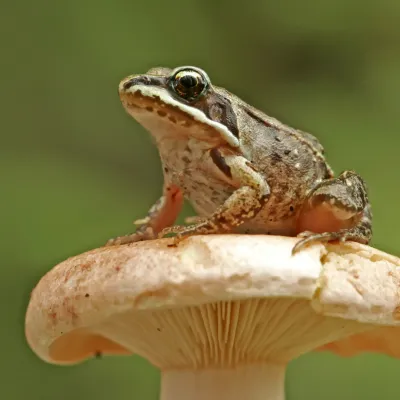
At first glance, it could be mistaken for a silent retreat or a nature meditation circle. A dozen or so people, baskets in hand, wander a mist-soaked forest, eyes locked to the ground. They’re quiet, but there’s energy in the air—anticipation, focus, even a sense of reverence.
But this is no ordinary nature walk. These are chefs, foragers, sommeliers, and storytellers, gathering not just mushrooms, but memories for a meal that will only happen once. This is the making of a seasonal pop-up dinner, an event where the wild meets the refined, where the ephemeral treasures of the forest floor are transformed into edible poetry.
A Vision Grown from Soil and Synergy
The idea began over coffee. Chef Mara Ilyas, known for her elemental, nature-driven cuisine, met with mycologist and seasoned forager Theo Jansen to talk about terroir—not of wine, but of wild mushrooms.
"We both had this dream of a dinner that wasn’t just about eating," Mara recalls. "We wanted something immersive. Something that honored where our ingredients came from."
That dream became Feral Plate, a seasonal pop-up that takes guests on a curated foraging expedition in the morning, followed by a multi-course dining experience in the evening. Everything on the plate is sourced within 24 hours, much of it gathered by the diners themselves.
Morning: Into the Wild
The day begins before dawn with thermoses of mushroom broth and small laminated guides. Under the quiet guidance of Jansen, participants learn to identify seasonal mushrooms: coral tooth, velvet foot, candy cap, shaggy mane.
"It’s not just about finding something to cook," says Jansen. "It’s about slowing down, noticing where you are. The mushrooms teach you that."
Each forager is paired with a field expert, ensuring safety and offering impromptu lessons in ecology, sustainability, and ethics of harvest. It becomes part workshop, part pilgrimage.
Afternoon: Transformation Begins
After a few hours in the field, baskets are emptied onto long tables in a converted barn. Here, chefs take over. There are bins for sorting, scales for weighing, magnifiers for double-checking.
Chef Ilyas, sleeves rolled and knife in hand, consults her evolving menu. No two dinners are the same. The ingredients dictate the direction.
"I wait until I see the haul before I finalize anything," she says. "It’s like jazz—improvisation with flavor."
Prep stations hum with activity: lion’s mane sliced for scallops, chanterelles seared for pâte, black trumpets infused into broth. Pickling, fermenting, and smoking begin immediately. Each dish must honor the ingredient’s fleeting life.
Evening: A Table in the Forest
At dusk, lanterns light the path to a clearing where a long table awaits under the trees. It’s set with linen napkins, handmade ceramic plates, and wildflowers from the same forest. Music drifts softly from a cellist positioned among the ferns.
The menu is read aloud, not printed. Each course is introduced by the chef or forager responsible, creating a sense of intimacy and gratitude. It’s not just dinner. It’s a storytelling session with umami punctuation.
There might be:
- Golden chanterelle tart with spruce tip aioli
- Smoked hen-of-the-woods in miso broth, garnished with wood sorrel
- Candy cap mushroom panna cotta
Wines are paired not by region, but by resonance. A nutty orange wine with roasted morel. A biodynamic rosé for pickled enoki.
The Philosophy of the Pop-Up
At its core, Feral Plate isn’t about exclusivity, though seats are limited. It’s about reclaiming our relationship with the wild.
"People come thinking it’s a luxury experience," says Ilyas. "But they leave understanding that the real luxury is access to nature."
The pop-up challenges modern dining by rejecting convenience. There is no backup produce truck. If the forest yields nothing, the menu shifts. Guests learn the fragility of abundance.
Behind the Scenes: Logistics and Lessons
Pulling off a foraged pop-up is no small feat. Permits must be secured for foraging. Weather is a constant gamble. And there are no rehearsals.
"You have to be comfortable with uncertainty," says event coordinator Jo Mendez. "You might plan for candy caps and end up with blewits."
Food safety is paramount. Every mushroom is triple-checked, and every dish undergoes a secondary vetting before being served. Legal teams consult on liability. Emergency kits are on site.
Despite these hurdles, the reward is profound.
Stories on the Plate
Each dinner becomes legend among attendees. There was the night a sudden rainstorm forced everyone into the barn for the main course. Candles were lit, and the sound of rain became the soundtrack.
Or the time a six-year-old guest correctly identified a patch of black trumpets before the guide could. She earned a round of applause and a special non-alcoholic mushroom fizz in her honor.
"These are stories people take home with them," says Jansen. "They’re not just digesting food. They’re digesting experience."
Building a Foraged Future
As interest in wild food and sustainable dining grows, Feral Plate has inspired spin-offs: mycology-focused residencies, mushroom mixology nights, forest fermentation classes.
Other chefs and foragers are adapting the model to their regions. In the Pacific Northwest, coastal foraging dinners incorporate seaweed and wild berries. In Appalachia, native fungi are paired with heirloom corn and pawpaw fruit.
"It’s not about replicating what we do," says Ilyas. "It’s about listening to your landscape."
Conclusion: Where Flavor Begins
The most memorable meals don’t begin in kitchens. They begin with wet boots, with the scent of pine and decay, with the quiet thrill of discovery.
In a world that often feels too fast, too polished, too disconnected, a dinner that begins in the woods and ends under stars is more than just a meal. It’s a reminder.
That the best flavors are the ones we find.
And the best stories are the ones we forage together.
Frequently Asked Questions
Feral Plate is a seasonal pop-up dinner created by chef Mara Ilyas and mycologist and forager Theo Jansen. It takes guests on a curated foraging expedition in the morning, followed by a multi-course dining experience in the evening. Everything on the plate is sourced within 24 hours, much of it gathered by the diners themselves.