Como Prevenir o Trichoderma (Mofo Verde) no Cultivo de Cogumelos
By Louis on 25/02/2026
Aprenda como prevenir o Trichoderma (mofo verde) no cultivo de cogumelos com spawn limpo, preparação adequada do substrato, técnica estéril e higiene na sala de cultivo.
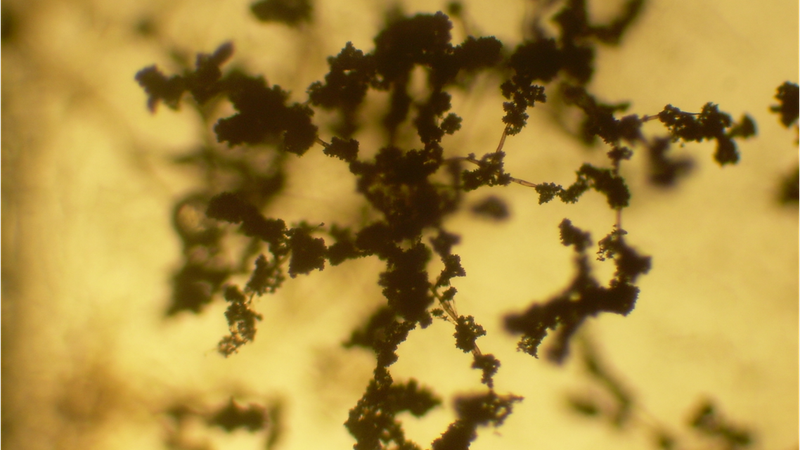
O que é Trichoderma?
sementes de grãos, é conhecido como um problema pernicioso para alguns cultivadores. Então, o que é?
Simplesmente, Trichoderm é um fungo filamentoso de crescimento rápido. É responsável pelo clássico "mofo verde" que ataca culturas de cogumelos e substratos. Geralmente começa como um micélio branco e depois se torna um verde brilhante e em pó à medida que esporula em grãos, composto ousubstrato em massa. Na cultura de cogumelos, o Trichoderma é considerado um patógeno importante porque compete diretamente e pode atacar quimicamente o micélio dos cogumelos, levando a uma colonização interrompida, redução de rendimentos e perda total da colheita. Os cultivadores caseiros mais frequentemente o encontram em spawn de grãos, monotubos, sacos de cultivo e em substratos de cobertura ou a granel durante a colonização ou frutificação inicial.
Por que o Mofo Verde Aparece
Trichodermaesporosestão em toda parte, infelizmente. Eles estão em roupas, ferramentas, poeira, solo e até mesmo no ar da casa, então a contaminação acontece quando as condições favorecem o mofo mais do que o cogumelo. Os gatilhos comuns incluem substrato subesterilizado ou mal pasteurizado, espaços de cultivo sujos, spawn fraco ou contaminado e microclimas excessivamente úmidos e estagnados. Se você se concentrar em manter tudo limpo e equilibrado, então o Trich terá menos probabilidade de se estabelecer.
Uma vez que esporos de Trichoderma pousam em uma superfície rica em nutrientes e úmida a uma temperatura adequada, eles germinam rapidamente e podem dominar uma bandeja, saco ou monotubo em 48 a 72 horas. Como a esporulação libera vastas quantidades de novos esporos no ambiente de cultivo, um único tub negligenciado pode semear surtos recorrentes de mofo verde em múltiplos cultivos futuros. Basicamente, pode destruir todo o seu sistema muito rapidamente.
Evitando Trichoderma
Com o Trichoderma sendo um problema tão pernicioso, é importante adotar essas estratégias sempre que você estiver cultivando cogumelos. Este conselho é válido independentemente da variedade de cogumelo ou da 'cepa', portanto, são informações úteis para saber e memorizar para uso futuro.
As Fases de Alto Risco em um Cultivo
O Trichoderma pode atacar a qualquer momento, mas alguns estágios são especialmente vulneráveis.Frascos de grãosou sacos são de alto risco se o grão estiver mal cozido, mal esterilizado ou inoculado com cultura suja, uma vez que oferecem nutrição densa em um espaço confinado. Substratos a granel e monotubos também são pontos comuns de falha porque expõem uma grande superfície de nutrientes ao ar e ao manuseio durante a inoculação e mistura.
Além disso, sacos de cultivo e bandejas em incubação podem esconder contaminação até que ela de repente apareça na superfície como mofo verde, especialmente quando há bolsões úmidos, zonas anaeróbicas (baixa circulação de ar) ou substrato não colonizado deixado parado por muito tempo. A frutificação precoce é outra janela onde o excesso de umidade, a troca de ar fresco (FAE) inadequada e a água acumulada podem favorecer o Trichoderma em vez do micélio do cogumelo.
Limpar o Spawn e o Substrato
Começar com um inoculante limpo e vigoroso é outra linha de defesa contra o Trichoderma. Um bom inoculante deve estar totalmente colonizado, brilhante e branco, e livre de manchas úmidas, pegajosas ou descoloridas que sinalizam problemas bacterianos ou de mofo. Qualquer frasco ou saco que mostre áreas "úmidas" verdes, cinzas ou paradas deve ser descartado em vez de misturado ao substrato em bulk, já que uma unidade contaminada pode espalhar esporos por todo o cultivo. É melhor prevenir do que remediar!
O tratamento do substrato é igualmente crítico: pesquisas sobre mofo verde em substratos lignocelulósicos mostram que tratamentos adequados com água quente ou alcalinos reduzem significativamente o crescimento de Trichoderma durante a inoculação. Para materiais a granel como palha, fibra de coco e serragem, opções confiáveis incluem pasteurização a cerca de 60°C por pelo menos 30 minutos, imersão em água quente ou mergulho em uma solução alcalinizada por tempo suficiente para elevar o pH acima de níveis favoráveis ao mofo.
Técnica Estéril Durante a Inoculação
A inoculação é onde muitos problemas "misteriosos" de Trichoderma realmente começam. Abrir grãos ou substratos estéreis em uma sala empoeirada, conversar sobre recipientes abertos ou reutilizar ferramentas sujas oferece um ponto de entrada fácil para esporos de mofo. Uma simples caixa de ar parada ou capô de fluxo laminar, combinada com superfícies de trabalho e ferramentas desinfetadas, reduz drasticamente o risco de contaminação em transferências de grãos e no cultivo em monotubos.
Antes de cada sessão estéril, as superfícies devem ser limpas com álcool isopropílico ou um desinfetante adequado, as ferramentas devem ser esterilizadas por chama ou limpas com álcool entre os frascos, e os ventiladores ou aberturas do HVAC devem ser desligados para minimizar o movimento de ar sobre os recipientes abertos. As mãos devem ser lavadas, o uso de luvas e máscara é recomendado, e animais de estimação ou pessoas que não estão envolvidas devem ser mantidos fora da sala enquanto o micélio, o ágar ou a cultura líquida estiverem expostos.
Higiene e Layout do Espaço de Cultivo
Um espaço de cultivo limpo e bem planejado é fundamental para prevenir a contaminação recorrente por Trichoderma. Zonas “limpas” dedicadas ao trabalho em laboratório ou inoculação devem ser mantidas separadas das zonas “sujas”, onde o substrato em grande quantidade é misturado, resíduos são armazenados ou frutas são colhidas. A limpeza regular de paredes, bancadas, prateleiras e pisos com desinfetante ou solução de água sanitária suave mantém a carga de esporos baixa e previne o estabelecimento de reservatórios ocultos de mofo.
Roupas de exterior, terra para vasos, composto e plantas de casa são todas fontes comuns de Trichoderma e devem ser mantidas afastadas do espaço de cultivo para evitar a reintrodução constante de esporos. Equipamentos como umidificadores, ventiladores e filtros precisam de limpeza profunda periódica, já que o biofilme e a acumulação de poeira nesses dispositivos podem transformá-los em eficientes disseminadores de mofo.
Ajustando as Condições (Monotubs, Sacos, Salas)
O controle ambiental é onde a prevenção encontra o desempenho. Trichoderma prospera em condições quentes, estagnadas e excessivamente úmidas, portanto, o objetivo é fornecer a cada espécie sua temperatura e umidade ideais, evitando água parada e fluxo de ar ruim. Para muitas espécies comuns de ambientes internos, a colonização em torno de 21-25°C e alta umidade, mas não gotejante, durante a frutificação, atinge um bom equilíbrio entre rápido crescimento micelial e pressão reduzida de mofo.
Em monotubs e sacos de cultivo, uma boa troca de ar (FAE) é essencial: pouca troca deixa CO2 e umidade presos, criando microclimas favoráveis ao mofo, enquanto correntes diretas e fortes podem ressecar os substratos e espalhar esporos pela sala. Patches de filtro de tamanho adequado, discos de filtro sintético, poliéster ou fita micro-porosa sobre as aberturas ajudam a manter a troca de ar enquanto filtram uma grande parte dos esporos de Trichoderma no ar.
Identificando e Lidando com Trichoderma Cedo
A identificação precoce e o controle agressivo muitas vezes determinam se um incidente de Trichoderma é um pequeno contratempo ou um reinício completo. Sinais típicos incluem micélio branco que se torna opaco e depois verde brilhante, especialmente em zonas circulares ou manchadas, frequentemente acompanhado por uma aparência empoeirada à medida que os esporos se formam. Um odor mofado ou terroso, em comparação com o cheiro limpo de cogumelos do micélio saudável, é outro aviso de que o mofo verde pode estar presente.
Uma vez que esporos verdes são visíveis em um frasco, saco ou monotub, a ação mais segura é selá-lo e removê-lo da área de cultivo imediatamente, em vez de tentar uma “cirurgia” dentro da sala. Artigos voltados para cultivadores caseiros aconselham consistentemente descartar unidades fortemente contaminadas e, em seguida, desinfetar ferramentas, prateleiras e recipientes próximos com água sanitária ou outros desinfetantes fortes antes de iniciar um novo ciclo.
pH e Estratégias de Capa
Ajustar o pH do substrato e da camada de cobertura pode tornar o ambiente menos convidativo para Trichoderma, enquanto permanece adequado para cogumelos. Espécies de mofo verde tendem a favorecer condições levemente ácidas na faixa de pH 4-6, enquanto muitos fungos cultivados toleram substratos mais neutros ou levemente alcalinos. Técnicas como imersão do substrato em água alcalinizada ou uso de agentes tamponantes para aumentar o pH demonstraram reduzir o crescimento de Trichoderma durante a semeadura e colonização de espécies lignícolas.
Para algumas configurações, uma camada de cobertura não nutritiva e ajustada ao pH, baseada em turfa e vermiculita, pode atuar como uma barreira física e química que retém a umidade para os cogumelos, enquanto é menos atraente para os mofos. Cultivadores que enfrentam surtos frequentes de mofo verde às vezes “reiniciam” o pH da superfície entre as colheitas, adicionando uma nova camada de cobertura fina em vez de raspar a antiga, ajudando a proteger o micélio subjacente de novos esporos de Trichoderma.
Quando Reiniciar Seu Cultivo
Se múltiplos monotubs, sacos ou prateleiras ficarem verdes em rápida sucessão, o problema geralmente é sistêmico: alta carga de esporos na sala, equipamentos sujos ou lotes de inoculação ou substrato contaminados. Nesses casos, isolar monotubs individuais raramente é suficiente; a maioria dos cultivadores experientes recomenda interromper a produção, descartar materiais suspeitos e realizar uma limpeza completa de cima a baixo antes da próxima rodada.
Um reinício adequado inclui limpar ou substituir filtros e mangueiras, desinfetar paredes e tetos acessíveis na área de cultivo e revisar cada etapa do fluxo de trabalho. Isso significa focar em cada etapa, desde a cultura até a inoculação e frutificação, para identificar onde Trichoderma é mais provável de entrar. Combinar isso com uma fonte de inoculação limpa conhecida e substrato cuidadosamente tratado melhora drasticamente as chances de que o próximo cultivo permaneça livre de Trich.
Lista de Verificação de Prevenção de Trichoderma
- Inóculo: Use apenas inóculo de grãos totalmente brancos e vigorosos, sem manchas úmidas, azedas ou descoloridas; descarte qualquer coisa suspeita.
- Substrato: Pasteurize ou trate de outra forma palha, fibra de coco e outros substratos em grande quantidade usando métodos comprovados de tempo/temperatura ou alcalinos.
- Trabalho estéril: Inocule em uma caixa de ar parada ou em frente a um fluxo de ar; desinfete ferramentas e superfícies antes e durante o uso.
- Ambiente: Mantenha o espaço de cultivo limpo, controle a umidade e a troca de ar em monotubs e sacos de cultivo, e evite água parada ou cantos estagnados.
- Monitoramento: Verifique os cultivos diariamente em busca de manchas brancas a verdes e odores estranhos, isole qualquer recipiente suspeito imediatamente e limpe a área ao redor após a remoção.
Previna a contaminação — compre suprimentos de cultivo de grau sala limpa
Perguntas frequentes
Trichoderma é um fungo filamentoso de crescimento rápido responsável pelo clássico mofo verde que ataca culturas e substratos de cogumelos. Geralmente começa como micélio branco e depois se torna um verde brilhante e empoeirado à medida que esporula em grãos, composto ou substrato em bulk. É considerado um patógeno importante porque compete com e pode atacar quimicamente o micélio de cogumelos, levando a uma colonização parada, redução de rendimentos e perda total da colheita.
Referências
- Colavolpe, M. B., Mejía, S. J., & Albertó, E. (2015). Eficiência dos tratamentos para controlar Trichoderma spp durante a inoculação no cultivo de cogumelos lignícolas. .