Melhor Cogumelo para os Pulmões: Pesquisa sobre Cordyceps e Opinião Honesta
By Louis on 04/05/2026
O cordyceps é o melhor cogumelo para os pulmões com base na pesquisa. Aqui está o que os estudos mostram, quem mais se beneficia e como escolher um suplemento de qualidade.
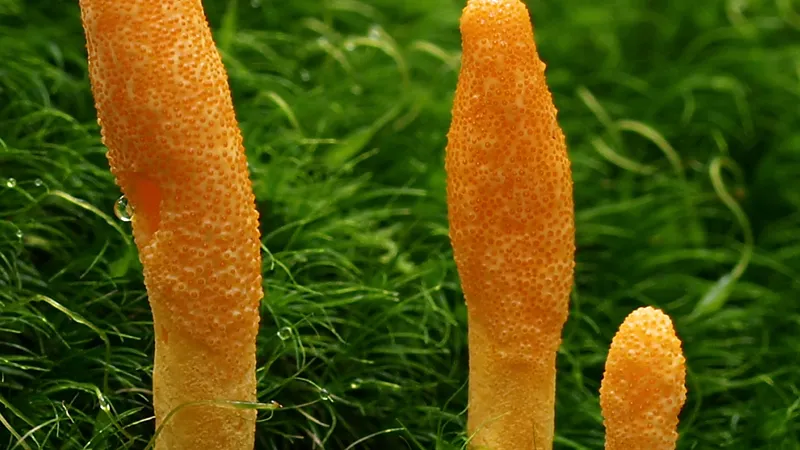
Melhor Cogumelo para os Pulmões: O Guia Honesto sobre Cordyceps e Suporte Respiratório
Entre os oito ou mais cogumelos funcionais com pesquisas sérias por trás deles, exatamente um foi estudado diretamente para a função pulmonar em humanos: cordyceps. O cabelo de leão é para o cérebro, o reishi acalma o sistema nervoso, o cogumelo do peru apoia o intestino e o sistema imunológico, e o cordyceps faz o trabalho dos pulmões.
O melhor cogumelo para os pulmões é Cordyceps militaris extrato do corpo frutífero, com uma base de pesquisa real, mas sutil, por trás dele. Parte dessa pesquisa está em adultos mais velhos saudáveis melhorando a capacidade aeróbica. Parte está em pessoas com condições respiratórias crônicas vendo melhorias nos sintomas e na qualidade de vida. O limite do que o cordyceps pode fazer pelos seus pulmões depende inteiramente de qual população você está começando.
Melhores Cogumelos para os Pulmões em um Relance
Cogumelo | Mecanismo Relacionado aos Pulmões | Dose Diária Típica | Força da Evidência |
|---|---|---|---|
Cordyceps militaris | Utilização de oxigênio, limiar ventilatório, anti-inflamatório no tecido pulmonar | 1.000–3.000 mg de extrato | Forte (múltiplos ECRs humanos) |
Reduz a inflamação das vias aéreas, apoia o equilíbrio imunológico | 1.000–3.000 mg de extrato | Limitado–Moderado | |
Antioxidante, pode reduzir danos oxidativos causados por fumaça ou poluentes | 500–2.000 mg de extrato | Limitado (principalmente pré-clínico) | |
Modulação imunológica, suporte respiratório indireto | 1.000–3.000 mg de extrato | Limitado especificamente para os pulmões |
As doses listadas são para extratos padronizados, não para pó de cogumelo cru.
Por que o Cordyceps é o melhor cogumelo para os pulmões
O Cordyceps vence porque é o único cogumelo funcional com evidências humanas consistentes tanto para a função pulmonar saudável quanto para o suporte a doenças pulmonares. O perfil de compostos ativos inclui cordicepina, um análogo de nucleosídeo que ativa a AMPK (um regulador mestre de energia celular), e polissacarídeos de cordyceps, que modulam citocinas inflamatórias especificamente no tecido pulmonar. Em termos práticos, o cordyceps apoia uma melhor extração de oxigênio durante o exercício, reduz a inflamação das vias aéreas e protege contra o estresse oxidativo nas células pulmonares.
O mecanismo mais citado para os pulmões é a melhoria no limite ventilatório: o ponto durante o aumento da intensidade do exercício em que sua taxa de respiração aumenta rapidamente porque seu corpo não consegue continuar tamponando os subprodutos ácidos de forma eficiente. Um limite ventilatório mais alto significa que você pode sustentar um trabalho mais intenso por mais tempo antes que sua respiração se desmorone. O cordyceps parece empurrar esse limite para cima em adultos mais velhos saudáveis e atletas treinados.
Para populações com doenças respiratórias, un artículo sobre mecanismos de 2025 identificou os alvos moleculares específicos nos quais o cordyceps atua na DPOC: interleucinas, fator de necrose tumoral (TNF) e espécies reativas de oxigênio. Em outras palavras, o cordyceps parece abordar os verdadeiros motores biológicos da doença obstrutiva das vias aéreas, não apenas os sintomas. Para entender como o cordyceps se encaixa ao lado de outros cogumelos funcionais, veja nossa guia completa de hongos funcionales.
O que a pesquisa humana realmente mostra
Três categorias de evidências humanas são importantes para saber sobre cordyceps e função pulmonar:
Adultos mais velhos saudáveis. Chen et al. (2010)realizou um ensaio clínico duplo-cego controlado por placebo de 12 semanas em 20 adultos saudáveis com idades entre 50 e 75 anos. Os participantes tomaram 1 g/dia de Cs-4 (um Cordyceps sinensis produto de fermentação) e mostraram uma melhora de 8,5% no limiar ventilatório e uma melhora de 10,5% no limiar metabólico em comparação com o placebo. O VO2 máximo em si não mudou significativamente, mas os limiares em que a respiração e o acúmulo de lactato ocorreram mudaram em uma direção significativa. Um ensaio anterior de 6 semanas realizado por Yi et al. encontrou um aumento de 6,7% no VO2 máximo em 3 g/dia em populações semelhantes.
Adultos treinados. Hirsch et al. (2017) testaram uma Cordyceps militaris-mistura contendo a 4 g/dia em 28 adultos ativos recreativamente por 1 e 3 semanas. Após 3 semanas, o VO2 máximo melhorou significativamente e o tempo até a exaustão aumentou em 69,8 segundos em comparação com o placebo. O limiar ventilatório tendia a melhorar. A conclusão: o cordyceps parece funcionar em populações treinadas também, mas o tamanho do efeito é menor e o cronograma é mais longo do que para adultos mais velhos que partem de uma linha de base de condicionamento físico mais baixa.
Pacientes com DPOC. Esta é a categoria mais clinicamente interessante e a mais cautelosa. Uma revisão sistemática e metanálise de 2019 por Yu et al. reuniu 15 ensaios clínicos randomizados cobrindo 1.238 pacientes com DPOC GOLD estável estágio 2-3. A análise agrupada descobriu que preparações de cordyceps e fórmulas à base de cordyceps produziram benefícios na função pulmonar, tolerância ao exercício, qualidade de vida e redução de sintomas, sem eventos adversos graves relatados. A advertência honesta que os autores destacaram: a maioria dos estudos incluídos tinha fraquezas metodológicas (sem controle por placebo em alguns, tamanhos de amostra pequenos, risco de viés), portanto, os tamanhos do efeito não devem ser superinterpretados. A direção geral das evidências é positiva, a certeza é moderada e um ensaio controlado por placebo maior ainda é necessário.
O que a pesquisa ainda não mostra: evidência humana de alta qualidade para cordyceps em asma, problemas respiratórios pós-COVID, cessação do tabagismo ou "detox" pulmonar geral. Estudos de mecanismos são promissores. Ensaios clínicos na escala necessária para fazer afirmações confiáveis ainda não existem.
Quem realmente se beneficia mais do cordyceps para os pulmões
A resposta honesta muda dependendo de onde você está começando. Três populações se destacam:
Adultos mais velhos que desejam manter a capacidade aeróbica. Esta é a população com as melhores evidências humanas. Se você tem 50 anos ou mais e percebe que fica sem fôlego mais rápido do que costumava, o cordyceps tem mais pesquisas a seu favor para a sua situação do que qualquer outro suplemento nesta categoria. Espere melhorias modestas e mensuráveis em quanto tempo você pode sustentar um esforço moderado.
Atletas ativos recreativamente. O cordyceps parece estender o limiar ventilatório e o tempo até a exaustão neste grupo também. Se você é um corredor, ciclista ou caminhante regular que sente que a respiração é o fator limitante antes das pernas, o cordyceps é um suplemento razoável para testar. Não espere um recorde pessoal no Strava. Espere um pequeno aumento em quão forte você pode se esforçar antes que seus pulmões se tornem o gargalo.
Pessoas com condições respiratórias diagnosticadas, trabalhando com seu médico. É aqui que a linha de alegações de doenças importa. As evidências sobre DPOC são reais, mas nunca devem ser tratadas como uma razão para pular o tratamento prescrito. Se você tem asma, DPOC, problemas respiratórios pós-virais ou um longo histórico de tabagismo, converse com seu pneumologista antes de adicionar qualquer suplemento. O cogumelo pode ajudar. Não é um substituto para inaladores, terapia de oxigênio, cessação do tabagismo ou o restante do cuidado pulmonar baseado em evidências.
O que o cordyceps não fará: limpar resíduos de nicotina dos seus pulmões, regenerar tecido pulmonar perdido devido a doenças ou substituir os benefícios de parar de fumar. A coisa mais poderosa que você pode fazer pelos seus pulmões é não começar ou parar de fumar. Nenhum suplemento é competitivo com isso.
Cordyceps Militaris vs. Cordyceps Sinensis: A Versão Específica para os Pulmões
A maioria das pesquisas históricas sobre pulmões usou Cs-4, um produto de fermentação cultivado a partir de uma cepa de Cordyceps sinensis. Pesquisas modernas utilizam cada vez mais Cordyceps militaris, a espécie cultivada de cor laranja brilhante que contém concentrações mais altas dos compostos ativos.
Para aplicações específicas nos pulmões, ambas as formas têm evidências a seu favor, mas para compradores em 2026, Cordyceps militaris extrato do corpo frutífero é a escolha mais prática. O C. sinensis é proibitivamente caro e quase nunca está presente em produtos de consumo em doses significativas. Produtos de fermentação Cs-4 ainda são vendidos e têm uma base de pesquisa real, mas o extrato de militaris oferece concentrações mais altas de cordicepina por dólar. O que importa mais do que a espécie é se o produto é extrato do corpo frutífero com conteúdo de beta-glucano verificado (pelo menos 25%, testado por terceiros) e um Certificado de Análise. Os productos de cordyceps verificados da ShroomSpy atendem a esses padrões.
Combinando Cordyceps para os Pulmões: Reishi, Chaga e os Limites Honestamente
Cordyceps é o principal, mas outros dois cogumelos merecem menção para a saúde respiratória, com as devidas ressalvas sobre a força das evidências.
Reishi tem evidências pré-clínicas para reduzir a inflamação das vias aéreas e pode valer a pena combinar para pessoas cujos problemas pulmonares são impulsionados por inflamação (alergias, asma leve). As evidências em humanos são limitadas. Reishi também é calmante, o que pode ajudar com o componente de estresse da ansiedade relacionada à respiração.
Chaga tem forte atividade antioxidante e contém altos níveis de superóxido dismutase. Para pessoas com históricos de exposição que envolvem danos oxidativos ao tecido pulmonar (fumar, poluição urbana, exposição ocupacional), o perfil antioxidante do chaga é mecanicamente interessante. As evidências em humanos para chaga e pulmões especificamente são essencialmente inexistentes. Considere como um tônico antioxidante geral a longo prazo, não como uma terapia direcionada para os pulmões.
Cauda de peru é às vezes mencionada para imunidade respiratória. Sua base de evidências é para suporte imunológico em geral, não especificamente para os pulmões. Se seu objetivo é reduzir a frequência com que você contrai infecções respiratórias, a cauda de peru tem mais pesquisas relevantes do que cordyceps.
Se o seu problema de "pulmão" é na verdade fadiga mental devido à má entrega de oxigênio em vez de disfunção respiratória, veja nosso Melhor Suplemento de Cogumelos para Energia aprofundamento sobre cordyceps para capacidade aeróbica.
Dosagem, Horário e O Que Esperar
As doses estudadas para os benefícios do cordyceps relacionados aos pulmões variam de 1 a 4 gramas por dia. Para um extrato de Cordyceps militaris 10:1, 1.000 a 1.500 mg diariamente está dentro da faixa estudada. O estudo atlético de Hirsch 2017 usou 4 g/dia de uma mistura; o estudo de Chen 2010 com adultos mais velhos usou 1 g/dia de Cs-4. Mais não é necessariamente melhor.
Horário. Tome cordyceps pela manhã ou 60 a 90 minutos antes do exercício se o desempenho respiratório durante o esforço for seu objetivo. Para suporte geral aos pulmões, a dosagem diária pela manhã é adequada. Evite tomá-lo dentro de 4 horas antes de dormir se você achar que é levemente ativador.
Cronograma. Melhorias subjetivas na percepção do esforço respiratório durante o exercício geralmente aparecem dentro de 1 a 2 semanas. Melhorias mensuráveis no limiar ventilatório e na capacidade aeróbica levaram de 3 a 12 semanas nos ensaios publicados. Os ensaios de DPOC duraram de 6 a 12 meses, com benefícios acumulando ao longo de períodos mais longos.
Quem Não Deve Tomar Cordyceps para Pulmões
Cordyceps é bem tolerado pela maioria dos adultos saudáveis, mas várias populações precisam de orientação médica primeiro. Pessoas em imunossupressores devem evitar ou discutir cuidadosamente o cordyceps devido à sua atividade imunomoduladora. Pessoas em anticoagulantes devem consultar seu prescritor devido a leves efeitos antiplaquetários e interromper o cordyceps pelo menos 14 dias antes de qualquer cirurgia pelo mesmo motivo. Pessoas em medicações para diabetes devem monitorar a glicose no sangue, uma vez que o cordyceps pode ter um leve efeito hipoglicêmico.
Se você tem uma condição respiratória sob gerenciamento médico, converse com seu pneumologista antes de adicionar cordyceps. O suplemento pode ajudar, mas interações com broncodilatadores, corticosteroides ou outras terapias prescritas não foram estudadas em detalhes.
A gravidez e a amamentação carecem de dados adequados de segurança, então é melhor evitar. Pessoas com alergias a mofo ou fungos devem começar com uma dose baixa para testar a tolerância. O efeito colateral mais comumente relatado em ensaios clínicos é leve desconforto gastrointestinal, geralmente resolvido ao tomar o suplemento com alimentos.
A Conclusão
O melhor cogumelo para os pulmões é Cordyceps militarisextrato do corpo frutífero, dosado em 1.000 a 1.500 mg de um extrato 10:1 diariamente, tomado consistentemente por pelo menos 3 a 4 semanas. Adultos mais velhos e pessoas ativas recreativamente são as populações com as melhores evidências. Pessoas com condições respiratórias diagnosticadas devem tratar o cordyceps como um suporte complementar discutido com seu médico, e não como um substituto para o tratamento prescrito. Evite os produtos baratos de micélio em grãos, procure por conteúdo de beta-glucano verificado e não espere que o cordyceps desfaça décadas de exposição ao fumo ou substitua a medicina pulmonar baseada em evidências.
Pronto para levar sua jornada em micologia para o próximo nível? Navegue por nossa gama completa de produtos de cogumelo em ShroomSpy.com/mushrooms/products e encontre tudo o que você precisa para cultivar, forragear e prosperar.
Perguntas Frequentes
Qual é o melhor cogumelo para a saúde dos pulmões?
Cordyceps militaris é o cogumelo com mais respaldo em pesquisa para a função pulmonar. Vários ensaios clínicos randomizados em humanos mostraram melhorias no limiar ventilatório, capacidade aeróbica e tolerância ao exercício, com evidências adicionais apoiando a função respiratória em adultos mais velhos e pessoas com DPOC estável. Nenhum outro cogumelo funcional tem pesquisa humana específica para os pulmões comparável.
Quanto tempo o cordyceps leva para agir nos pulmões?
Melhoras subjetivas no esforço respiratório durante o exercício geralmente aparecem dentro de 1 a 2 semanas de uso diário. Melhorias mensuráveis no limiar ventilatório e na capacidade aeróbica levaram de 3 a 12 semanas nos ensaios publicados. Benefícios específicos para DPOC se acumularam ao longo de 6 a 12 meses em estudos clínicos. Planeje pelo menos um mês de uso consistente antes de avaliar se está funcionando.
O cordyceps pode ajudar com DPOC ou asma?
Uma meta-análise de 2019 de 15 ensaios clínicos randomizados e 1.238 pacientes com DPOC encontrou que as preparações de cordyceps produziram benefícios na função pulmonar, tolerância ao exercício e qualidade de vida, sem eventos adversos graves. Os autores notaram limitações metodológicas nos estudos subjacentes. Para asma especificamente, ensaios bem projetados em humanos estão essencialmente ausentes. O cordyceps nunca deve substituir inaladores prescritos, corticosteroides ou outros cuidados respiratórios baseados em evidências. Converse com seu pneumologista antes de adicionar qualquer suplemento.
O cordyceps pode reparar danos pulmonares causados pelo fumo?
Nenhum suplemento, incluindo o cordyceps, demonstrou reverter danos pulmonares relacionados ao fumo em humanos. A intervenção mais eficaz para problemas pulmonares relacionados ao fumo é parar de fumar. O cordyceps pode oferecer suporte antioxidante e anti-inflamatório leve que poderia complementar a cessação do fumo, mas não é um tratamento para os danos estruturais que o fumo causa.
Posso tomar cordyceps com meu inalador para asma ou outro medicamento para os pulmões?
Converse com seu prescritor primeiro. O cordyceps não foi estudado em combinação com broncodilatadores, corticosteroides ou biológicos, e interações teóricas são possíveis. Nunca pare ou reduza a medicação respiratória prescrita para adicionar um suplemento. O papel mais apropriado para o cordyceps em alguém com doença pulmonar diagnosticada é como um suporte complementar, usado ao lado do cuidado médico com a consciência do médico, e não como um substituto.
Isenção de responsabilidade: Esta declaração não foi avaliada pela Administração de Alimentos e Medicamentos. Este produto não se destina a diagnosticar, tratar, curar ou prevenir qualquer doença. Sempre consulte um profissional de saúde qualificado antes de iniciar um novo suplemento, especialmente se você estiver tomando medicamentos, estiver grávida ou amamentando, ou tiver uma condição médica.
Compre tinturas, cápsulas e extratos de Cordyceps
Perguntas frequentes
O cordyceps militaris tem a pesquisa humana específica para pulmões mais robusta entre os cogumelos funcionais. É o único estudado diretamente para a função pulmonar em humanos, com múltiplos ensaios controlados randomizados cobrindo limiar ventilatório, capacidade aeróbica e tolerância ao exercício. Reishi, chaga e cauda de peru têm evidências muito mais limitadas para os pulmões especificamente.
Referências
- (2026). Efeitos Hepatoprotetores do Cogumelo Reishi- (Ganoderma Lucidum) em Pacientes com Doença Hepática Gordurosa Associada à Disfunção Metabólica. .
- Zang, Z., Kong, Y., & Kong, Q. (2025). Cordyceps sinensis (CS) Alivia os Sintomas da Doença Pulmonar Obstrutiva Crônica (DPOC) Alvo da Inflamação, Apoptose e Estresse Oxidativo Através da Interação Ingrediente–Gene–Doença. .
- Yu, X., Mao, Y., Shergis, J. L., Coyle, M. E., Wu, L., Chen, Y., Zhang, A. L., Lin, L., Xue, C. C., & Xu, Y. (2019). Eficácia e Segurança do Cordyceps sinensis Oral em DPOC Estável dos Estágios 2–3 da GOLD: Revisão Sistemática e Meta-Análise. .
- Hirsch, K. R. (2017). Cordyceps militaris Melhora a Tolerância ao Exercício de Alta Intensidade Após Suplementação Aguda e Crônica. .
- Chang, C. (2015). O Ganoderma lucidum reduz a obesidade em camundongos ao modular a composição da microbiota intestinal.. .
- Pallav, K., Dowd, S. E., Villafuerte, J., Yang, X., Kabbani, T., Hansen, J., Dennis, M., Feffler, D. A., Newburg, D. S., & Kelly, C. P. (2014). Efeitos do polissacaropeptídeo de Trametes versicolor e amoxicilina no microbioma intestinal de voluntários saudáveis: um ensaio clínico randomizado. .
- Yu, Z. (2013). O extrato de Trametes versicolor modifica a composição da microbiota fecal humana in vitro.. .
- Chen, S., Li, Z., Kromchal, R., Abrazado, M., Kim, W., & Cooper, C. B. (2010). Efeito do Cs-4® (Cordyceps sinensis) no Desempenho em Exercícios em Idosos Saudáveis: Um Estudo Duplo-Cego, Controlado por Placebo. .