Muscimol vs Ácido Ibotênico: A Verdadeira Diferença Explicada
By Louis on 27/04/2026
Muscimol vs ácido ibotênico. Aprenda como os dois principais compostos da Amanita diferem quimicamente, o que cada um faz no corpo e por que a descarboxilação é importante.
Muscimol vs Ácido Ibotênico: A Verdadeira Diferença Explicada
Se você passou algum tempo olhando produtos de Amanita muscaria, provavelmente notou dois nomes de compostos que aparecem em cada certificado de análise: muscimol e ácido ibotênico. Ambos vêm do mesmo cogumelo vermelho e branco. Ambos estão listados juntos em relatórios de laboratório. Ambos contribuem para a experiência. E ainda assim, eles são, em quase todos os sentidos significativos, opostos. Um é a razão calmante e indutora de sonhos pela qual as pessoas buscam o cogumelo. O outro é a ressaca neurotóxica em uma molécula que os métodos de preparação tradicionais existem especificamente para eliminar. Saber qual é qual é a diferença entre comprar um produto de qualidade e comprar algo que te coloca em um relatório do CDC. Aqui está o que cada composto realmente faz, por que a descarboxilação transforma um no outro e o que procurar ao ler um rótulo.
O que é o Ácido Ibotênico
O ácido ibotênico é o composto precursor, o que significa que o cogumelo o produz primeiro e na maior parte. Ele pertence a uma família química chamada isoxazóis e, estruturalmente, se assemelha ao glutamato, o principal neurotransmissor excitatório do cérebro. Por causa dessa semelhança, o ácido ibotênico atua como um agonista nos receptores de glutamato NMDA e em certos receptores de glutamato metabotrópicos, de forma ampla, os receptores que aumentam a atividade neuronal em vez de acalmá-la.
É também por isso que o ácido ibotênico é genuinamente problemático. De acordo com as referências de toxicologia da ScienceDirect, o ácido ibotênico é um poderoso neurotóxico e é usado em pesquisas especificamente como um agente de lesão cerebral. Em estudos com animais, os cientistas injetam quantidades precisas em regiões específicas do cérebro para destruir corpos celulares-alvo para fins experimentais. Essa não é uma substância que você quer que atinja seu sistema nervoso central em forma bruta e não processada.
Em humanos, os efeitos do ácido ibotênico começam dentro de 30 a 60 minutos após a ingestão. Os primeiros sintomas tendem a envolver náuseas, vômitos e sonolência. Após a primeira hora, as coisas mudam para confusão, euforia, distorções visuais e auditivas, sensações de flutuação e amnésia retrógrada. As doses psicoativas orais variam de aproximadamente 20 a 100 mg, com cerca de 10 a 20 por cento do ácido ibotênico ingerido se convertendo em muscimol uma vez dentro do corpo. A maioria dos efeitos desejáveis que as pessoas associam ao ácido ibotênico na verdade vem dessa conversão.
O que é Muscimol
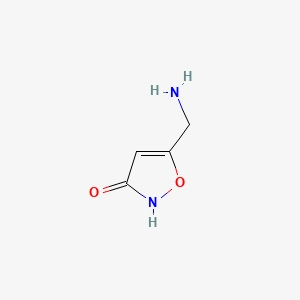
Muscimol é o que o ácido ibotênico se torna após perder um grupo carboxila, um processo químico chamado descarboxilação. A molécula resultante é estruturalmente semelhante ao GABA, o principal neurotransmissor inibitório do cérebro, e atua como um potente agonista completo do receptor GABA-A. Em termos simples, onde o ácido ibotênico acelera o sistema nervoso, o muscimol pisa no freio.
A literatura clínica estabelece a dose limite oral em aproximadamente 6 mg, com a faixa psicoativa entre 8 a 15 mg. Apenas um grama de Amanita muscaria pode conter essa quantidade, embora a potência varie dramaticamente entre os espécimes. Os efeitos máximos ocorrem de 1 a 3 horas após a ingestão oral e duram de 4 a 8 horas, com efeitos residuais às vezes persistindo por até 24 horas. Estimativas de dados de laboratório sugerem que o muscimol é aproximadamente dez vezes mais potente que o ácido ibotênico em uma base de miligrama por miligrama.
O perfil da experiência é sedativo, onírico e dissociativo. Usuários relatam relaxamento, imagens vívidas com os olhos fechados, apreciação musical que beira a sinestesia e sonhos incomumente ricos depois. Farmacologicamente, o muscimol se situa no mesmo território geral que benzodiazepínicos e z-drugs como o zolpidem, embora seja um agonista ortostérico que se liga diretamente ao receptor GABA-A, em vez de modulá-lo alostericamente como os medicamentos prescritos para dormir.
A Comparação Lado a Lado
Característica | Ácido Ibotênico | Muscimol |
|---|---|---|
Papel no cogumelo | Composto precursor primário | Produto da descarboxilação |
Alvo do receptor | Receptores de glutamato NMDA (excitadores) | Receptores GABA-A (inibitórios) |
Categoria de efeito | Estimulante neurotóxico em forma bruta | Sedativo, dissociativo, onírico |
Potência relativa | Base | Aproximadamente 10x mais forte |
Dose psicoativa oral | 20–100 mg | 6–15 mg |
Tempo de início | 30–60 minutos | 1–3 horas (oral) |
Duração | Variável, frequentemente 6–10 horas | 4–8 horas, residual até 24 |
Desejado no produto? | Não, alvo o mais baixo possível | Sim, o ingrediente ativo |
Perfil de toxicidade | Causa náusea, vômito, sudorese, espasmos | Leve em comparação com ácido ibotenico |
Status legal federal (EUA) | Não programado | Não programado |
Status de alimento da FDA (Dez 2024) | Não aprovado como aditivo alimentar GRAS | Não aprovado como aditivo alimentar pela GRAS |
A única conclusão mais importante desta tabela: um produto de Amanita de alta qualidade é aquele em que o número de ácido ibotênico é o mais baixo possível e o número de muscimol é alto o suficiente para fornecer a dose rotulada. Um produto que apresenta alto ácido ibotênico e baixo muscimol não foi devidamente descarboxilado, e consumi-lo é essencialmente comer agaricóide cru.
Descarboxilação: Como Um Se Torna o Outro
A descarboxilação é a química que transforma o ácido ibotênico em muscimol. O nome descreve exatamente o que acontece. A molécula de ácido ibotênico contém um grupo carboxila (um agrupamento COOH), e a descarboxilação o remove na forma de dióxido de carbono. O que sobra é muscimol.
Três coisas impulsionam esta conversão:
- Calor.Secar cogumelos a temperaturas baixas a moderadas (cerca de 175°F ou 80°C) durante várias horas converte uma parte substancial do ácido ibotênico em muscimol. Calor mais alto funciona mais rápido, mas corre o risco de degradar ambos os compostos.
- Condições ácidas.A fervura de material de Amanita em água acidificada com suco de limão ou ácido cítrico (pH alvo em torno de 3) por 20 a 30 minutos acelera a descarboxilação. Esta é a base da maioria das preparações tradicionais siberianas e escandinavas.
- Tempo.Mesmo à temperatura ambiente, a Amanita seca continua a descarboxilar lentamente ao longo de semanas e meses. É por isso que as cápsulas secas devidamente envelhecidas são tipicamente mais agradáveis do que as recém-secas.
Há um mito persistente online de que bebidas carbonatadas podem reverter a descarboxilação e converter muscimol de volta em ácido ibotênico. A afirmação originou-se em um livreto auto-publicado em 2005 e tem sido repetida em livros e fóruns desde então. É quimicamente incorreta. A carbonatação não pode desfazer a perda de um grupo carboxila. Seu refrigerante não é um problema.
Uma complicação: o muscimol pode teoricamente ser convertido de volta em ácido ibotenico através de uma enzima chamada glutamato descarboxilase, mas isso acontece em um nível metabólico dentro das células, em vez de no copo da sua bebida.
Por que isso é importante para a segurança do produto
A indústria de produtos de Amanita está cheia de marcas que ou não entendem a descarboxilação ou não se preocupam em testá-la. Após o surto de Diamond Shruumz em 2024, no qual 180 pessoas em 34 estados relataram doenças devido a comestíveis de cogumelos contaminados, a FDA emitiu uma carta em dezembro de 2024 para a indústria afirmando que Amanita muscaria, muscimol e ácido ibotênico não são Geralmente Reconhecidos Como Seguros para uso em alimentos convencionais. A carta não proíbe os compostos de forma absoluta, mas significa que os produtos alimentícios que os contêm agora são considerados adulterados sob a lei federal.
O que isso significa para os compradores: leia o certificado de análise. Um produto de Amanita respeitável listará, por porção, os miligramas de muscimol (o ativo que você deseja) e os miligramas de ácido ibotênico (a impureza que você não deseja). A proporção é mais importante do que o total. Um gummy com 8 mg de muscimol e 0,5 mg de ácido ibotênico está bem descarboxilado. Um gummy com 4 mg de muscimol e 6 mg de ácido ibotênico está mais próximo do material de cogumelo cru e produzirá mais náusea e carga corporal desagradável do que a versão dominante em muscimol.
O mercado da ShroomSpy lista produtos de Amanita muscaria de fornecedores que publicam certificados de análise completos de laboratórios certificados pela ISO, com muscimol e ácido ibotenico quantificados por porção. Para uma visão mais ampla da regulamentação, vejao que é e não é legal no mercado de cogumelos nos EUA.
O que os Compostos Significam para a Experiência
Se uma pessoa consumir um produto rico em ácido ibotênico, as primeiras horas provavelmente envolverão náuseas, sudorese, espasmos musculares e um desconforto geral. Os efeitos desejáveis (relaxamento, imagens oníricas, sono aprimorado) vêm depois, à medida que o ácido ibotênico se converte em muscimol dentro do corpo. Essa é a pior versão da experiência com Amanita, e é o que deu ao agaric do fly sua assustadora reputação histórica.
Se uma pessoa consome um produto devidamente descarboxilado e dominante em muscimol, a experiência começa de forma mais suave. A sedação e o calor surgem dentro de uma ou duas horas, os efeitos oníricos e dissociativos se intensificam durante as horas três e quatro, e a descida leva a um sono incomumente profundo com sonhos vívidos. Essa é a experiência que os usuários tradicionais da Sibéria e da Escandinávia buscavam quando passaram séculos refinando técnicas de preparação. Extratos modernos testados em laboratório replicam isso de forma mais confiável do que o material selvagem, que é uma das poucas áreas em que a produção industrial realmente melhora a prática tradicional.
Para uma análise mais profunda sobre a espécie em si, incluindo identificação, história, dosagem e status legal, veja oguia definitiva de Amanita muscaria
Status Legal: Ambos os Compostos, Mesma História
Nem muscimol nem ácido ibotenico estão agendados a nível federal sob a Lei de Substâncias Controladas, e nenhum deles é restrito em qualquer estado dos EUA, exceto Louisiana, que baniu a Amanita muscaria em 2005 sob sua lei de plantas alucinógenas. De acordo com o informativo de março de 2026 do Centro de Análise Legislativa, ambos os compostos permanecem legais para possuir, distribuir e vender em 49 estados e no Distrito de Columbia.
A complicação é a carta da FDA de dezembro de 2024 para a indústria, que determinou que nenhum dos compostos atende ao padrão de segurança para uso em alimentos convencionais. Essa ação não criminaliza nenhuma das substâncias, mas significa que produtos alimentícios como gomas e chocolates comercializados como contendo-os agora são considerados adulterados sob a Lei Federal de Alimentos, Medicamentos e Cosméticos. Algumas marcas mudaram para uma abordagem de suplemento dietético em resposta. Outras reformularam. A análise completa de quais cogumelos são legais para comprar e consumir nos EUA.cobre detalhadamente o cenário pós-carta da FDA.
Conclusão
Muscimol e ácido ibotenico parecem quase idênticos em um diagrama químico, diferem por um único grupo carboxila e produzem experiências dramaticamente diferentes. O ácido ibotenico é o precursor neurotóxico que o cogumelo produz em maior quantidade e que os métodos tradicionais de preparação existem especificamente para converter. Muscimol é o sedativo, agonista do estado de sonho que confere à Amanita muscaria seus efeitos característicos. A química é simples uma vez que é apresentada. A regra de compra que se segue da química também é simples: alto muscimol, baixo ácido ibotenico, testado por terceiros, com ambos os números listados por porção no certificado de análise. Qualquer coisa menos é um jogo de adivinhação.
Pronto para levar sua jornada micológica para o próximo nível? Navegue por nossa gama completa de produtos de cogumelo em ShroomSpy.com/mushrooms/products e encontre tudo o que você precisa para cultivar, forragear e prosperar.
Perguntas Frequentes
O muscimol é mais forte que o ácido ibotenico?
Sim. Dados de laboratório resumidos em referências de farmacologia sugerem que o muscimol é aproximadamente dez vezes mais potente que o ácido ibotenico em uma base de miligrama por miligrama. A dose psicoativa oral para muscimol é de aproximadamente 6 a 15 mg, enquanto o ácido ibotenico requer de 20 a 100 mg para produzir efeitos comparáveis, e a maioria desses efeitos ocorre porque parte do ácido ibotenico se converte em muscimol após a ingestão.
Por que o ácido ibotenico é considerado tóxico?
O ácido ibotenico é um agonista do receptor NMDA de glutamato com propriedades neurotóxicas. Em ambientes de pesquisa, é usado como um agente de lesão cerebral porque injeções precisas podem destruir neurônios-alvo. Em doses de ingestão humana, causa náuseas, vômitos, sudorese, espasmos musculares e efeitos cognitivos desagradáveis antes que qualquer um dos resultados desejados apareça. Produtos de Amanita devidamente preparados convertem a maior parte do ácido ibotenico em muscimol, o que melhora dramaticamente a experiência.
O ácido ibotenico pode se tornar muscimol dentro do corpo?
Sim, parcialmente. Cerca de 10 a 20 por cento do ácido ibotenico ingerido é descarboxilado em muscimol uma vez dentro do corpo. É por isso que comer Amanita crua ou subdescarboxilada produz alguns dos efeitos sedativos associados ao muscimol, apenas atrasados e acompanhados de significativamente mais náusea e desconforto físico do que um produto pré-descarboxilado.
O muscimol e o ácido ibotenico são legais?
Ambos os compostos não estão agendados a nível federal nos Estados Unidos e não são restritos em 49 estados. Louisiana é a única exceção, banindo a Amanita muscaria em 2005. A carta da FDA de dezembro de 2024 para a indústria determinou que nenhum dos compostos atende ao padrão de segurança GRAS para uso em alimentos convencionais, o que restringe o uso de produtos alimentícios, mas não criminaliza a posse pessoal.
Como posso saber se um produto de Amanita foi devidamente descarboxilado?
Leia o certificado de análise. Um produto bem descarboxilado mostrará alto teor de muscimol por porção e baixo teor de ácido ibotenico. Uma má proporção (baixo muscimol, alto ácido ibotenico) significa que o material de origem foi ou subprocessado ou o produto foi feito de material de cogumelo cru sem uma verdadeira etapa de descarboxilação. Se um produto não tiver um COA disponível publicamente de um laboratório certificado ISO de terceiros, trate isso como a resposta.
Confira nossos Produtos!
Perguntas frequentes
Ambos os compostos vêm da Amanita muscaria e diferem por um único grupo carboxila, mas atuam de maneiras quase opostas. O ácido ibotênico é o precursor que o cogumelo produz primeiro; ele se assemelha ao glutamato e atua como um agonista nos receptores de glutamato NMDA, aumentando amplamente a atividade neuronal. O muscimol é o que o ácido ibotênico se torna após a descarboxilação; ele se assemelha ao GABA e atua como um potente agonista do receptor GABA-A, produzindo efeitos sedativos e oníricos.
Referências
- (2026). Fly agaric: Descarboxilação do ácido ibotênico para muscimol.
- Ordak, M., Galzaka, A., Nasierowski, T., Muszynska, E., & Bujalska-Zadrozny, M. (2023). Razões, Forma de Ingestão e Efeitos Colaterais Associados ao Consumo de Amanita muscaria. .
- Leonavičius, J., Marksa, M., Kazlauskiene, D., Nenortienė, P., & Bezruk, I. (2019). Determinação de muscimol em Amanita muscaria L. pelo método de cromatografia em camada fina de alta performance (HPTLC) após descarboxilação. .
- Austin, T. Método para produzir muscimol e/ou reduzir ácido ibotenico a partir de tecido de amanita.