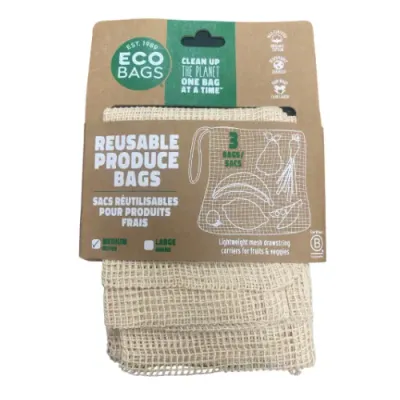
Sacos de Coleta Reutilizáveis Médios Ecológicos
Vendido por Colorado Cultures
Carregando comentários...
$16.99
Frete estimado nos EUA $6.90
Devoluções em 30 dias
Pagamento seguro — Stripe e PayPal
O frete final é calculado na finalização da compra.
Garantia de devolução de 30 dias

A bolsa certa para o tipo certo de coleta
Se você já passou uma manhã de sábado na floresta procurando cogumelos com uma sacola plástica de supermercado, você já conhece o problema.As sacolas plásticas suam.A condensação dentro delas apodrece as delicadas tampas antes que você consiga levá-las para casa. Elas se rasgam em galhos. Elas achatam tudo dentro delas sob o peso dos espécimes maiores. E cada uma delas acaba em um aterro assim que você termina de descarregar suas descobertas em casa.
Uma bolsa de coleta resolve tudo isso — e a questão não é se você precisa de uma, é qual tamanho você precisa. A Colorado Cultures tem duas tamanhos: uma bolsa de coleta reutilizável média (este produto) e uma versão maior (produto acompanhante no site).
A média é o tamanho certo para a maioria das viagens de coleta casuais. Grande o suficiente para carregar a quantidade produtiva de um dia de coleta de cogumelos; pequena o suficiente para dobrar em uma mochila em caminhadas onde você não sabe se encontrará algo; leve o suficiente para usar o dia todo sem esforço.
O que torna uma bolsa de coleta diferente de uma bolsa comum
Três características distinguem uma verdadeira bolsa de coleta de uma bolsa genérica ou de supermercado:
- Construção respirável. Os cogumelos exalam umidade e continuam respirando após a colheita. Uma bolsa respirável (malha, tecido de trama solta ou fibra natural) permite que essa umidade escape em vez de aprisioná-la. O resultado: seus cogumelos chegam em casa secos, firmes e intactos — não pegajosos e apodrecendo.
- Materiais duráveis, mas leves. Uma bolsa de coleta passa horas se enroscando em galhos, sendo arrastada por vegetação, sendo colocada em pedras e sendo recheada com cogumelos de bordas afiadas. Ela precisa ser resistente o suficiente para sobreviver a isso sem rasgar, mas leve o suficiente para usar o dia todo. Malha sintética, lona de algodão resistente ou cânhamo são os materiais comuns.
- Design sustentável e reutilizável. Sacolas plásticas de uso único são um desastre ambiental — e ironicamente, a pior escolha possível para uma atividade (coleta) que é toda sobre se envolver respeitosamente com o meio ambiente natural. Uma bolsa de coleta reutilizável e lavável permanece em uso por anos, substituindo dezenas de usos de sacolas descartáveis.
O que a Bolsa de Coleta Média da Colorado Cultures oferece
Este é um sacola de forrageamento reutilizável, orgânica e ecológicatamanho para uma típica viagem de forrageamento de um dia:
- Tamanho médio [VERIFICAR dimensões exatas — sacolas de forrageamento médias típicas comportam de 4 a 8 litros de volume de cogumelos]
- Construção ecológica — [VERIFICAR material exato com o fornecedor — opções típicas são malha de algodão orgânico, lona de cânhamo ou malha de fibra reciclada]
- Material 100% orgânico [VERIFICAR detalhes da certificação com o fornecedor]
- Reutilizável e lavável — projetada para muitos anos de uso, não para uso descartável em uma única viagem
O tamanho "médio" é o ponto ideal para forrageadores casuais e intermediários:
- Grande o suficiente para segurar uma boa colheita de um dia (tipicamente 1-3 lbs de cogumelos frescos, dependendo da densidade)
- Pequeno o suficiente para caber em uma mochila se você estiver caminhando e pode encontrar cogumelos
- Leve o suficiente para usar continuamente sem fadiga da alça
- Compacto o suficiente para carregar no transporte público, no porta-malas do carro ou guardado na sua mochila
Para viagens de forrageamento de alto volume (encontrados em escala comercial, multi-bushel), use a versão maior. Para a maioria das forragens de fim de semana e recreativas, o tamanho médio é exatamente o certo.
Por que sacolas de malha especificamente (não tecido sólido)
A maioria das sacolas de forrageamento premium usa construção em malha por uma razão crítica: dispersão de esporos.
Muitos dos cogumelos que você coleta — especialmente as variedades comestíveis — liberam esporos de suas brânquias durante seu ciclo reprodutivo. Enquanto você caminha pela floresta com suas coletas, uma bolsa de malha permite que esses esporos flutuem e se reinstalem no chão da floresta, contribuindo para a futura propagação da espécie.
Uma bolsa sólida captura os esporos. Eles acabam na sua cozinha, na sua bancada, no seu lixo — não no chão da floresta onde podem estabelecer novas colônias.
Isso não é sentimentalismo; é responsabilidade.A coleta feita corretamente deixa o ecossistema melhor do que você o encontrou.Uma bolsa de malha é o equipamento mais barato e simples que contribui para esse objetivo. Se a Bolsa de Coleta Média da Colorado Cultures for de malha, essa é uma de suas características silenciosamente importantes.
[VERIFICAR: confirmar a construção específica (malha vs. tecido sólido) desta bolsa média com o fornecedor]
Quem usa essas
- Caçadores de cogumelos recreativosfazendo coletas casuais nos finais de semana em florestas locais
- Caminhantes e naturalistasque querem estar preparados se encontrarem oportunidades de coleta durante a caminhada
- Cultivadoresfazendo trabalho de identificação de cogumelos silvestres e trazendo espécimes para impressões de esporos ou fotografia
- Educadores de micologia e instrutores de camporealizando coletas guiadas onde cada participante precisa de sua própria bolsa
- Qualquer um que esteja se afastando do plástico de uso únicoem suas atividades ao ar livre
- Viajantes e campistas frequentesque querem uma bolsa leve, confiável e dobrável para coletas espontâneas
- Destinatários de presentesnos círculos de curiosos por cogumelos ou entusiastas ao ar livre
O que isso NÃO É
- Não é uma bolsa de forrageamento em escala comercial.Para colheitas de 5+ lb, use a versão maior desta linha de produtos.
- Não é um substituto para práticas seguras de identificação.Uma bolsa de forrageamento carrega cogumelos, mas você ainda precisa de um guia de campo ou de um identificador experiente para confirmar o que é seguro comer.
- Não é à prova d'água.As bolsas de malha são deliberadamente permeáveis à água para que os cogumelos possam respirar. Se você estiver forrageando em forte chuva, planeje secar a bolsa (e seu conteúdo) em casa antes do armazenamento.
- Não é resistente a pragas.Cogumelos coletados na bolsa podem carregar insetos (moscas, besouros) — examine e limpe sua colheita antes de trazer para a despensa de casa.
Para todos os outros, esta bolsa média é a única atualização mais práticapara uma prática de forrageamento — substituindo a bolsa plástica, o saco de papel marrom ou o recipiente improvisado que você estava usando. O investimento compensa ao longo de anos de viagens de forrageamento.
Comparação: média vs. grande
A Colorado Cultures tem bolsas de forrageamento médias (este produto) e grandes. Escolha com base no seu caso de uso típico:
| Recurso | Média (este produto) | Grande (companheira) |
|---------|----------------------|-------------------|
| Capacidade | [VERIFICAR — típico 4-8L] | [VERIFICAR — típico 12-20L] |
| Peso | Mais leve | Mais pesado |
| Volume da embalagem | Dobra menor para armazenamento em mochila | Pegada maior quando empacotada |
| Melhor para | Forrageadores diurnos, caminhantes, uso casual | Forrageadores comerciais / em volume |
| Conforto ao usar | Confortável o dia todo | Pesado quando cheio |
| Preço | Mais baixo | Mais alto |
A bolsa média é a compra inicial certa para a maioria dos forrageadores. Se você se encontrar preenchendo rotineiramente a bolsa média e desejando mais capacidade, a versão grande é a atualização natural.
Ética de forrageamento — lembrete rápido
Uma bolsa de forrageamento de malha reutilizável é uma das várias peças de equipamento em uma prática de forrageamento responsável. O kit completo:
- Um guia de campo para as espécies da sua região — saber o que é comestível e o que é tóxico é inegociável
- Uma faca pequena para cortes limpos na base do caule (colheita mais limpa do que arrancar)
- Uma câmera ou telefone para fotos in situ de descobertas que você não pode identificar imediatamente
- Um segundo recipiente para espécimes que você deseja identificar mais tarde (separado da bolsa destinada à alimentação)
- Conhecimento da terra — a coleta pública é legal em algumas terras e proibida em outras; sempre confirme as permissões antes de colher
A Bolsa de Coleta Média Colorado Cultures é uma parte deste kit — mas as partes mais importantes estão entre suas orelhas: conhecimento, respeito e uma compreensão de que cada cogumelo que você pega é parte de um sistema ecológico maior.
Colete bem. Traga menos do que pode. Deixe mais do que leva. E carregue tudo em uma bolsa que respira.