How to Grow Wine Caps: The Easiest Mushroom for Your Garden
By Josh Shearer on 15/07/2026
Wine cap (king stropharia) is the easiest mushroom to grow outdoors. How to build a woodchip-and-straw garden bed, when to do it, and what to expect.
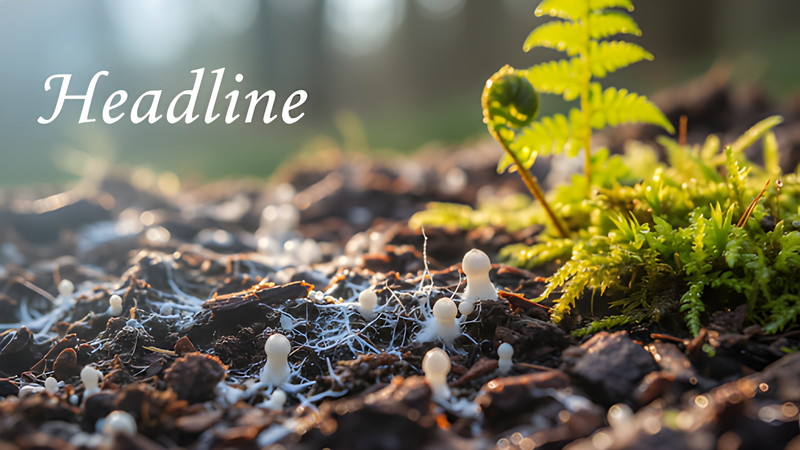
If the beginner's answer to growing mushrooms indoors is the oyster, the beginner's answer outdoors is the wine cap. Stropharia rugoso-annulata, also called king stropharia or garden giant, is the premier mushroom for outdoor bed culture in temperate climates, and it asks for almost no equipment. You build a bed, you wait, and it grows. Here is how.
Why wine cap is the outdoor beginner's mushroom
Wine cap is big, burgundy-capped when young, and aggressive in the best way. It thrives on the same wood chips and straw that pile up around any garden, tolerates rough conditions and even grey water, and slots naturally into a vegetable patch as a living mulch. It is forgiving enough that "dig a bed and add spawn" genuinely describes the process. The one thing it is not is fast: expect roughly eight to ten weeks from spawning to your first mushrooms, and often a full season before a bed hits its stride.
A note on where it belongs. Wine cap is an outdoor mushroom. It can technically be grown indoors, but it colonizes slowly and the soil casing it needs invites mold in a warm grow room, so nobody does it that way on purpose. Beds outdoors are the whole point.
Building the bed
The method growers rely on is a simple layered "sandwich," and it goes together in under an hour.
Pick a shaded spot with decent drainage, since wine cap wants moisture but not standing water. Dappled shade under trees or on the north side of a garden is ideal. Dig down a few inches and line the bottom with cardboard or burlap to slow weeds and hold moisture.
Layer substrate and spawn. Build up hardwood wood chips mixed with straw, layering in your sawdust or grain spawn as you go, like a lasagna, to a total depth of about six to twelve inches. Wet everything thoroughly as you build; the substrate should be damp all the way through, not soggy.
Cap it with mulch. While the mycelium establishes, a layer of cardboard or burlap on top holds humidity. As fruiting season nears, swap that for six to eight inches of fresh straw, whose loose structure creates the humid microclimate that triggers mushrooms. An optional handful of fresh coffee grounds worked in a few weeks before fruiting gives a nitrogen boost that supports a bigger flush.
Timing and upkeep
Install beds in spring or late summer into early fall, when rain is steadier and temperatures are moderate. The mycelium runs best while colonizing around 70 to 81 F, and the mushrooms fruit in a cooler 64 to 75 F window, which is why a bed built in spring often fruits later that same year and again the following spring.
Upkeep is light. Water during dry spells so the bed never fully dries out, and if the weather turns dry right when fruiting temperatures arrive, a few days of heavy watering can push it to pin. Cover the bed with cardboard or mulch against hard frosts. Each spring, top the bed up with fresh wood chips to keep the fungus fed, and a productive bed will run for several seasons. Once one bed is going, you can dig out chunks of colonized material to start new beds elsewhere for free.
What to expect
Wine caps are large, meaty, and mild, good roasted or sautéed, and best eaten young before the caps flatten and fade. Yields vary with your substrate and weather, and the first year is usually modest while the mycelium builds its network. The payoff is a low-effort patch that produces food from garden waste for years, doubles as mulch for the plants around it, and turns a shady corner into something useful.
If you have already grown oysters on straw indoors, a wine cap bed is the natural next step outside. Same forgiving mindset, no lab required, just a slower and more seasonal rhythm.
Preguntas frecuentes
Wine cap (Stropharia rugoso-annulata), also called king stropharia or garden giant, is a large, burgundy-capped mushroom that is the top choice for outdoor bed cultivation in temperate climates.
Referencias
- McCoy, P. (2016). Radical Mycology: A Treatise on Seeing and Working with Fungi. Chthaeus Press.
- Stamets, P. (2000). Cultivo de Hongos Gourmet y Medicinales. Berkeley, CA: Ten Speed Press.
- Stamets, P. & Chilton, J. S. (1983). The Mushroom Cultivator: A Practical Guide to Growing Mushrooms at Home. Agarikon Press.