El brote de setas mortales en California es el peor en una década. Esto es lo que cada recolector necesita saber.
By Louis on 27/05/2026
50 envenenamientos. 4 muertes. 4 trasplantes de hígado. El brote de setas silvestres de California en 2026 ha superado cualquier cosa que el estado haya visto en 10 años.
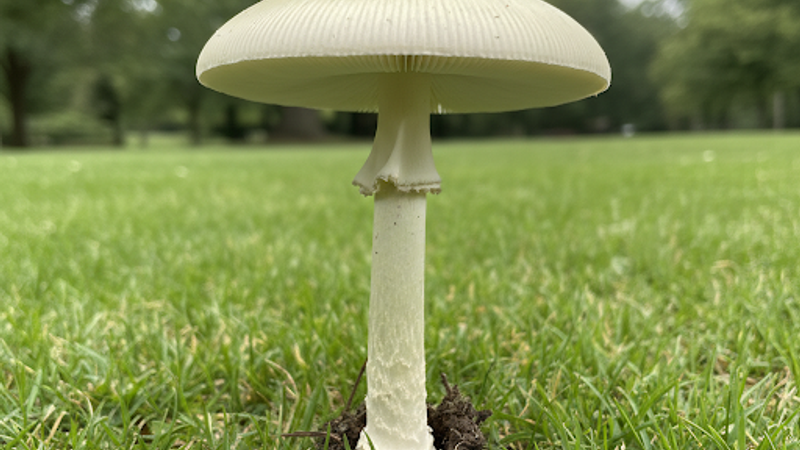
El brote de Amanita de California es el peor en una década. Esto es lo que cada recolector necesita saber.
California normalmente registra menos de cinco casos de intoxicación por hongos silvestres en un año dado. Entre noviembre de 2025 y finales de mayo de 2026, el estado registró 50. Cuatro personas están muertas. Cuatro más necesitaron trasplantes de hígado para sobrevivir. Niños tan jóvenes como de 19 meses han sido hospitalizados junto a adultos de hasta 67 años.
El Departamento de Salud Pública de California ha emitido un aviso urgente a nivel estatal diciendo a los residentes que no recojan ni consuman hongos silvestres. Doce condados en el norte de California y la costa central han reportado casos, y se siguen registrando nuevas intoxicaciones en un momento del año en que la temporada normalmente estaría disminuyendo. Esta no es una situación que se esté resolviendo por sí sola.
Si recolectas, o si conoces a personas que recolectan, este artículo vale la pena leerlo con atención.
Qué está impulsando el brote
Dos especies son responsables de la mayoría de los casos de intoxicación: Amanita phalloides, comúnmente conocida como la Amanita mortal, y Amanita ocreata, el Ángel Destruidor del Oeste. Ambas pertenecen al género Amanita y ambas producen amatoxinas, una clase de péptidos cíclicos que interfieren con la ARN polimerasa II, una enzima esencial para la síntesis de proteínas en las células del hígado y los riñones. Cuando se ingieren en cantidad suficiente, las amatoxinas causan fallo orgánico. No hay antídoto.
Las condiciones que impulsan el brote son principalmente climáticas. Lluvias inusualmente intensas y prolongadas en el norte de California y la costa central crearon condiciones de fructificación ideales para ambas especies hasta bien entrada la primavera, extendiendo la temporada peligrosa a meses en los que los recolectores suelen estar menos vigilantes. La Amanita mortal y el Ángel Destruidor del Oeste se han encontrado fructificando no solo en parques y áreas silvestres, sino en entornos urbanos y suburbanos, incluidos parques de la ciudad, calles residenciales y áreas de parques nacionales a lo largo de una amplia banda geográfica que se extiende desde el condado de Humboldt en el norte hasta San Luis Obispo en el sur y hacia el este en los condados de Sacramento y Yuba.
Esa extensión geográfica importa. Estas especies no están confinadas a áreas silvestres remotas donde solo se aventuran recolectores experimentados. Están apareciendo en lugares donde la gente pasea perros, lleva a los niños a jugar y nota casualmente hongos interesantes creciendo en la base de los árboles.
Por qué estos hongos son tan peligrosos de identificar
La Amanita mortal y el Ángel Destruidor del Oeste comparten una característica que las hace desproporcionadamente letales en comparación con otras especies tóxicas: parecen convincentemente comestibles en varias etapas de su ciclo de crecimiento.
Amanita phalloides en su etapa inmadura de "huevo", antes de que el sombrero se haya desarrollado y abierto completamente, se asemeja a bolas de aire y a varias especies de champiñones comestibles. Los especímenes completamente maduros pueden confundirse con hongos de paja de arroz, una especie ampliamente consumida en las cocinas del sudeste y este asiático. Este patrón específico de identificación errónea ha sido una característica recurrente en la historia de intoxicaciones de California, con funcionarios de salud de California señalando específicamente que los residentes recién llegados de países donde las especies comestibles de aspecto similar son comunes enfrentan un riesgo elevado de confusión fatal.
El Ángel Destruidor del Oeste presenta desafíos de identificación similares. En las primeras etapas de crecimiento se asemeja a varias especies inofensivas de sombrero blanco. Su color blanco, que podría intuitivamente señalar pureza o seguridad, es de hecho irrelevante para su toxicidad. Ambas especies pueden ser blancas, crema, amarillo pálido o con tintes oliva dependiendo de la madurez y las condiciones de crecimiento. El color por sí solo no te dice nada sobre la seguridad.
Esto plantea otro punto crítico que enfatiza el aviso del CDPH: el procesamiento no reduce la toxicidad. Cocinar, hervir, secar, congelar o cualquier otro método de preparación no neutraliza las amatoxinas. Una Amanita mortal preparada como salteado es tan letal como una comida cruda. No hay una solución culinaria.
La línea de tiempo de los síntomas es lo que hace que la intoxicación por amatoxinas sea tan traicionera
Una de las características más peligrosas de la intoxicación por amatoxinas es la brecha entre la ingestión y la aparición de síntomas graves. Los signos tempranos suelen aparecer entre seis y 24 horas después de comer el hongo, presentándose como un intenso malestar gastrointestinal: calambres abdominales intensos, vómitos, diarrea acuosa profusa y, en algunos casos, una caída significativa de la presión arterial.
Aquí está el problema con ese patrón. Después de la fase gastrointestinal inicial, los síntomas a menudo disminuyen sustancialmente. Los pacientes pueden sentirse notablemente mejor durante un día o incluso dos. Esa aparente mejoría no es recuperación. Es una ventana falsa mientras las amatoxinas continúan dañando las células del hígado y los riñones. Para cuando llega la segunda fase de síntomas, típicamente dentro de 48 a 72 horas, el daño orgánico severo ya está en marcha. La función hepática se deteriora rápidamente. Sin una intervención médica agresiva, incluyendo en casos severos el trasplante de hígado, el resultado puede ser fatal.
Este patrón de síntomas retrasado y engañoso significa que las personas que se sienten mejor después de un primer episodio de enfermedad gastrointestinal tras una comida recolectada pueden no buscar la atención médica urgente que necesitan mientras aún hay una oportunidad significativa para intervenir. Si tú o alguien con quien estás ha consumido hongos silvestres y ha experimentado algún síntoma gastrointestinal, no esperes a sentirte mejor antes de buscar atención médica. Contacta al Sistema de Controle de Envenenamentos de Califórnia al 1-800-222-1222 de inmediato.
Por qué este brote es históricamente inusual
Para entender cuán significativos son los números de 2026, es útil un poco de contexto. El peor año anterior de California para intoxicaciones por hongos silvestres en la historia reciente fue 2016, cuando se registraron 14 casos. Un año típico produce menos de cinco. El brote actual ya ha alcanzado 50 casos confirmados con casos que aún se reportan a finales de mayo.
La escala por sí sola es alarmante. Lo que la hace adicionalmente inusual es el momento. Los casos de envenenamiento siguen acumulándose a finales de primavera, bien pasado el período en que el Hongo de la Muerte y el Ángel Destruidor Occidental normalmente habrían dejado de fructificar. La temporada de lluvias prolongada ha creado una segunda y tercera ola de eventos de fructificación que han sorprendido tanto a las autoridades de salud pública como a los recolectores. Los funcionarios de salud están describiendo las condiciones como de riesgo extremadamente alto y el aviso atual no muestra signos de ser levantado.
A nivel nacional, la situación también es preocupante. Los Centros de Control de Envenenamientos de EE. UU. manejaron aproximadamente un 40 por ciento más de llamadas por exposición a hongos en el período de septiembre de 2025 a enero de 2026 en comparación con la misma ventana un año antes. No cada llamada de exposición corresponde a un envenenamiento, pero el aumento direccional en las personas que encuentran o consumen hongos silvestres, ya sea intencionalmente o accidentalmente, es claro.
Lo que los recolectores responsables deben hacer ahora mismo
ShroomSpy es una comunidad construida en torno a los hongos, lo que significa ser honesto cuando la actividad que todos amamos conlleva un riesgo serio. Así es como se ve esa honestidad en este momento.
Si estás en California, sigue el aviso del CDPH y no recojas hongos silvestres mientras la advertencia actual esté activa. Las condiciones que produjeron este brote, especies que fructifican tarde, en áreas urbanas, en lugares donde históricamente no han sido comunes, crean riesgos de identificación a los que incluso los recolectores experimentados no son inmunes. El aviso del CDPH ha señalado específicamente que cazadores de hongos experimentados han sido atrapados en este brote. La experiencia reduce el riesgo. No lo elimina.
Si recolectas fuera de California, las lecciones más amplias de este brote se aplican en todas partes. Nunca confíes en una sola característica de identificación. Nunca asumas que el color, el olor o el sabor indican seguridad. Nunca confíes en que cocinar neutraliza las toxinas. Consulta múltiples guías de campo, obtén confirmación de un identificador experimentado para cualquier espécimen desconocido y, cuando tengas dudas, déjalo solo.
La regla más importante en la recolección no ha cambiado. No hay hongos que valgan la pena morir por ellos. Si no estás seguro, no lo comas.
El papel del clima en lo que viene a continuación
El brote de 2026 no es un evento aislado. Es parte de un patrón que los micólogos y los investigadores de salud pública han estado rastreando durante varios años: a medida que los patrones de lluvia se vuelven más impredecibles y las temporadas de crecimiento se extienden debido a las condiciones climáticas cambiantes, las especies tóxicas están apareciendo en nuevos lugares, en momentos inesperados y en cantidades fuera de las normas históricas.
Ese patrón es relevante para los recolectores en todas partes, no solo en California. Las señales estacionales confiables que los recolectores experimentados han utilizado históricamente para calibrar cuándo y dónde es probable que aparezcan especies peligrosas están volviéndose menos confiables. Las regiones que rara vez han lidiado con la fructificación del Hongo de la Muerte o el Ángel Destruidor pueden ver una presión creciente a medida que las especies de árboles como el roble y otros que apoyan asociaciones micorrízicas de Amanita expanden su rango.
La conciencia es la primera y más efectiva intervención. La comunidad micológica está mejor posicionada que cualquier agencia gubernamental para difundir esa conciencia de manera rápida y creíble a través de sus propias redes. Usa esas redes ahora.
¿Listo para llevar tu viaje micológico al siguiente nivel? Navega por nuestra gama completa de productos de hongos y encuentra todo lo que necesitas para cultivar, recolectar y prosperar.
¡Descubre nuestros productos!
Preguntas frecuentes
Entre noviembre de 2025 y finales de mayo de 2026, California registró 50 casos de envenenamiento, en comparación con un año típico de menos de cinco. Cuatro personas han muerto y otras cuatro necesitaron trasplantes de hígado para sobrevivir. Se han reportado casos en doce condados del norte de California y la costa central, afectando a personas desde los 19 meses hasta los 67 años.