Crowdfunding para Hongos: Transformando la Pasión por los Champiñones en Negocio
on 28/12/2025
Descubre cómo una startup de hongos convirtió un humilde espora en un negocio totalmente financiado a través de una ingeniosa campaña de crowdfunding y marketing impulsado por la comunidad.
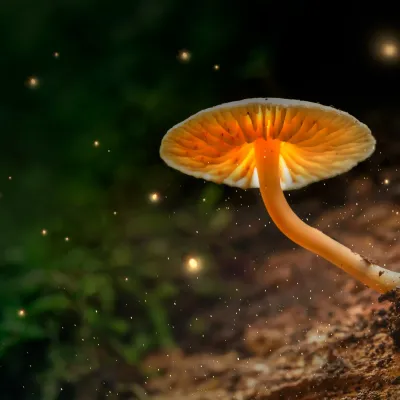
MycoRise, era un solo hongo ostra creciendo de una lata de café en un dormitorio universitario.
De esa humilde espora, brotó una idea audaz: construir una empresa que pudiera llevar el cultivo de champiñones gourmet a los hogares cotidianos. Pero, ¿cómo se salta de un pasatiempo de bricolaje a un producto nacional? La respuesta, para MycoRise, fue el crowdfunding.
La Semilla de una Idea
Ari Patel y Jamie Koh no eran los típicos emprendedores. Uno era un estudiante de botánica con una pasión por los hongos. El otro era un estudiante de marketing que odiaba el desperdicio. Lo que compartían era una fascinación por los champiñones y un deseo de reconectar a las personas con sus fuentes de alimento.
Su prototipo—un kit de cultivo simple utilizando restos reciclados y micelio—fue un éxito en el mercado de agricultores de su universidad. Se agotaron en dos horas.
"La gente no solo compraba un kit," dice Koh. "Estaban comprando la experiencia. Ver cómo crece la comida a partir de desechos en tu cocina. Esa resonancia emocional es lo que queríamos construir como base de un negocio."
Eligiendo el Crowdfunding en lugar del Capital de Riesgo
En un mundo obsesionado con los unicornios tecnológicos y las rondas de capital de riesgo, ¿por qué elegir el crowdfunding?
"No queríamos un millón de dólares y una sala de juntas," dice Patel. "Queríamos una comunidad."
Se dieron cuenta de que el crowdfunding no se trataba solo de recaudar dinero. Se trataba de validar su idea en público y reunir una tribu en torno a su misión. Eligieron Kickstarter, valorando su enfoque creativo y su plataforma transparente.
Construyendo la Campaña: Estrategia, Historia y Ciencia
Semanas antes del lanzamiento, Patel y Koh se sumergieron en las mejores prácticas de crowdfunding. Estudiaron campañas fallidas. Entrevistaron a las exitosas. Y luego comenzaron a contar historias.
Su campaña se construyó en torno al lema:Cultiva Más Que Champiñones. Jugó con la profundidad emocional de su producto: crecimiento, sostenibilidad, asombro.
Los elementos clave de la campaña incluyeron:
- Un video personal de estilo documentalmostrando el producto en cocinas reales, narrado por los fundadores.
- Fotos de alta calidadde los hongos en cada etapa de crecimiento.
- Niveles de recompensasque incluía kits, talleres e incluso registros de cultivo personalizados.
- Metas ambiciosasvinculados a causas comunitarias, como donar kits a programas de ciencias escolares.
El texto de la campaña evitó la jerga y se centró en la curiosidad y la alegría. Explicó cómo crecen los hongos, cómo funciona el micelio y por qué esto es importante para el planeta.
Día de Lanzamiento: Haciendo Vivo y Haciendo Viral
Establecieron su meta de financiación en $25,000 | 0.28 BTC. Conservadora según algunos estándares, pero ambiciosa para dos estudiantes sin distribución de producto.
En 48 horas, alcanzaron el 50%.
Para el séptimo día, habían alcanzado $40,000 | 0.46 BTC.
Para el final de la campaña,MycoRisehabía recaudado $112,500 | 1.28 BTC de más de 2,400 patrocinadores.
¿El punto de inflexión? Un tuit viral de un patrocinador que simplemente decía: "Compré un kit de hongos y accidentalmente cultivé la cena. La ciencia es genial."
Fue recogido por influencers, educadores y defensores de la sostenibilidad. De repente, los champiñones estaban de moda.
Más allá de la campaña: Cumplimiento y dolores de crecimiento
El éxito del crowdfunding es emocionante—y engañoso. Recaudar seis cifras es solo el comienzo. Ahora viene el verdadero trabajo: fabricación, cumplimiento, logística.
"Nuestro garaje se convirtió en un centro de distribución de hongos," ríe Koh. "Teníamos cajas apiladas hasta el techo."
Enfrentaron desafíos: retrasos de los proveedores de compost, ajustes de diseño para la durabilidad, problemas de envío durante la temporada navideña. Pero la comunicación constante con los patrocinadores mantuvo a la comunidad comprometida en lugar de frustrada.
Publicaron actualizaciones en video semanales, invitaron a dar retroalimentación e incluso lanzaron un concurso de fotos para los platos de champiñones más creativos cultivados a partir de los kits.
Escalando: De patrocinador a minorista
Con el impulso de la campaña,MycoRisecaptó la atención de minoristas enfocados en lo ecológico y cajas de suscripción de alimentos. En seis meses, habían firmado acuerdos con tres establecimientos nacionales.
Pero no abandonaron sus raíces comunitarias. Cada producto incluye una tarjeta firmada a mano agradeciendo a la comunidad de patrocinadores y fomentando la participación continua.
También lanzaron un blog de mentoría llamado "Crowd to Market", guiando a otras startups de hongos a través de los altibajos del crowdfunding ético.
Lecciones para aspirantes a emprendedores de setas
Koh y Patel son ahora invitados frecuentes en paneles de sostenibilidad y seminarios web de agrotecnología. Cuando se les pregunta qué hizo que su campaña fuera exitosa, señalan tres cosas:
- Autenticidad"Éramos solo dos nerds que amaban los champiñones. Eso se notaba."
- Educación"La gente ama aprender. No estábamos vendiendo un producto. Estábamos vendiendo curiosidad."
- Comunidad sobre dinero"No se trataba del dinero. Se trataba de encontrar personas que creyeran en la misión."
Conclusión: Un Modelo para el Movimiento de los Hongos
El crowdfunding, cuando se hace con corazón y estrategia, puede hacer más que financiar un negocio. Puede lanzar un movimiento.
MycoRise, comenzó con un hongo en una lata de café. Se convirtió en un negocio, una marca, una comunidad.
Su historia es un recordatorio de que en las condiciones adecuadas, con cuidado y conexión, incluso las esporas más humildes pueden crecer y convertirse en algo notable.
Preguntas frecuentes
MycoRise es una empresa fundada por Ari Patel, un estudiante de botánica, y Jamie Koh, un estudiante de marketing, para llevar el cultivo de champiñones gourmet a los hogares cotidianos. La idea comenzó con un solo hongo ostra creciendo en una lata de café en un dormitorio universitario. Su prototipo — un kit de cultivo que utiliza posos de café reciclados y micelio — se agotó en dos horas en el mercado de agricultores de su universidad.