Mico-remediación en Acción — De Derrames de Petróleo a Nubes de Pesticidas
on 17/05/2026
Los proyectos de bioremediación desplegados en el campo en Ecuador, la Bahía de San Francisco y el Noroeste del Pacífico están utilizando hongos para descomponer petróleo y pesticidas a escala industrial.
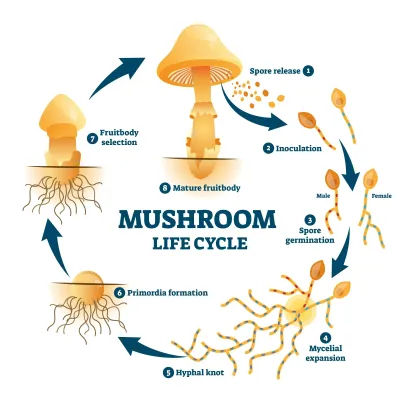
El Mecanismo Fúngico en Breve
La micorremediación describe el uso de hongos para degradar, secuestrar o transformar contaminantes ambientales. Tres mecanismos bioquímicos impulsan la mayor parte del campo.
Degradación enzimática. Las peroxidasa y lacasa fúngicas extracelulares, las mismas enzimas que descomponen la lignina en la madera, atacan de manera no específica las estructuras de anillo de carbono comunes en hidrocarburos petroleros, hidrocarburos aromáticos policíclicos y muchas moléculas de pesticidas.
Biosorción. El micelio fúngico se une a metales pesados y radionúclidos en la quitina de la pared celular sin transformarlos químicamente.
Micofiltración. El micelio cultivado sobre un sustrato se convierte en un medio de filtración físico que atrapa patógenos y contaminantes ligados a partículas en el flujo de aguas pluviales.
Los mecanismos no están igualmente maduros. La degradación enzimática tiene la literatura de laboratorio más profunda y es la base de la mayoría de los proyectos activos en el campo. La biosorción está bien caracterizada en estudios de laboratorio pero es más difícil de operacionalizar a gran escala porque el contaminante unido permanece en el sustrato, requiriendo eliminación aguas abajo. La micofiltración es la más joven de las tres y la más cercana a pasar de la investigación a un producto comercial.
CoRenewal en la Amazonía Ecuatoriana
El proyecto CoRenewal, fundado por la micóloga Mia Maltz y activo en las provincias de Sucumbíos y Orellana de Ecuador desde 2014, es el despliegue de campo de bioremediación fúngica de petróleo más prolongado en la literatura. La contaminación objetivo es el residuo de crudo legado de décadas de extracción de petróleo en la región de Lago Agrio, gran parte de él acumulado en pozos sin revestir dejados por las empresas operativas. La zona de contaminación abarca miles de hectáreas.
El enfoque de CoRenewal empareja cepas de hongos de pudrición blanca aisladas localmente, principalmente Pleurotus ostreatus variantes y especies indígenas de Trametes , con sustratos de desecho agrícola disponibles localmente, bagazo de caña de azúcar, mazorcas de maíz, cascarillas de arroz, como medio de crecimiento. El sustrato es colonizado en cultivos de bolsa de baja tecnología por miembros de la comunidad capacitados en el protocolo, y luego depositado directamente en los pozos de suelo contaminado. La toma de muestras a los tres, seis y doce meses rastrea la descomposición de hidrocarburos totales de petróleo y marcadores aromáticos policíclicos específicos.
Los resultados publicados de los sitios piloto del proyecto han mostrado reducciones de hidrocarburos totales de petróleo en el rango del sesenta al ochenta por ciento durante un despliegue de doce meses, con las mayores reducciones en las fracciones más ligeras y una degradación más lenta de las estructuras de anillo más pesadas y carcinogénicas. El proyecto ha resistido explícitamente escalar más allá de lo que la mano de obra local y la disponibilidad de sustratos pueden sostener, y el modelo se ha convertido en un caso de referencia para la limpieza ambiental liderada por indígenas y de bajo capital.
Battelle y la Respuesta de la Bahía de San Francisco
El derrame de petróleo Cosco Busan en noviembre de 2007 liberó aproximadamente cincuenta y tres mil galones de petróleo de combustible en la Bahía de San Francisco. El Instituto Memorial Battelle, trabajando con agencias estatales y federales durante la respuesta, realizó un ensayo controlado desplegando esteras de paja inoculadas con micelio en las zonas costeras contaminadas. El ensayo fue pequeño en relación con la respuesta general al derrame, pero es uno de los ejemplos mejor documentados de micorremediación operando dentro de un marco de respuesta a emergencias activo en lugar de como un esfuerzo de investigación independiente.
Los resultados del ensayo, que cuantificaron la reducción de hidrocarburos en las esteras inoculadas en relación con las esteras de control, fueron modestos en términos absolutos pero apoyaron el uso continuo del enfoque en respuestas a derrames regionales posteriores. La respuesta al derrame de petróleo Refugio en 2015 en el condado de Santa Bárbara incluyó un despliegue similar de esteras miceliales como una de varias técnicas. Más recientemente, el Departamento de Ecología del Estado de Washington ha integrado protocolos de micorremediación en sus procedimientos operativos estándar para la respuesta a derrames de petróleo en el interior, citando el trabajo de Battelle como parte de la base de evidencia.
Stamets, Aguas Pluviales y Micofiltración en la Carretera
Un hilo de aplicación distinto surgió del trabajo de Paul Stamets y Fungi Perfecti a lo largo de la década de 2010, centrado en la micofiltración de escorrentía de aguas pluviales en lugar de la degradación enzimática de petróleo acumulado. La premisa es que el micelio cultivado sobre un sustrato de astillas de madera gruesas se convierte en una matriz de filtración permeable capaz de capturar tanto contaminantes ligados a partículas como patógenos acuáticos, particularmente E. coli.
Los despliegues a escala de campo se han estado acumulando silenciosamente en el Pacífico Noroeste. El más citado es una instalación de biofiltro en la carretera a lo largo de un corredor de escorrentía de carretera en el condado de Mason, Washington, donde un biofiltro de micelio y astillas de madera ha estado operando desde 2015 y mostrando reducciones consistentes en los recuentos de coliformes fecales y concentraciones de metales disueltos que ingresan a la cuenca. Instalaciones similares han aparecido en granjas, en zanjas de drenaje de estacionamientos y en un puñado de sitios de pretratamiento de aguas pluviales municipales en Washington y Oregón.
La micofiltración es la aplicación más cercana a una forma productizada. Varias pequeñas empresas ahora venden sistemas de esteras de micelio pre-inoculadas para aplicaciones de gestión de aguas pluviales, con economías de despliegue que se comparan favorablemente con las alternativas de filtración ingenierizadas.
Lo Que Estos Tres Casos Tienen en Común
Los tres proyectos comparten varias características operativas no obvias. Las cepas aisladas localmente superan a los stocks comerciales. Los despliegues más exitosos utilizan cepas de hongos aisladas localmente en lugar de stocks de producción comercial, lo que parece importar sustancialmente para la adaptación del sustrato y la tolerancia a contaminantes.
La logística, no la biología, es el cuello de botella. La mayoría de los despliegues tienen éxito o fracasan en la logística del sustrato, el momento del despliegue y el muestreo de seguimiento, no en el organismo en sí.
Los datos longitudinales siguen siendo escasos. Los datos longitudinales documentados y publicados siguen siendo escasos en relación con el volumen de trabajo piloto, que es la mayor brecha de credibilidad del campo.
Qué Observar a Continuación
El campo de la micorremediación se está acercando a un punto en el que la base de evidencia acumulativa de veinte años de pilotos y pequeños despliegues está comenzando a apoyar protocolos estandarizados y aceptación regulatoria. La incorporación del Departamento de Ecología del Estado de Washington en los SOP de respuesta a derrames es una señal. Varios proyectos de sitios Superfund de la Agencia de Protección Ambiental de EE. UU. están evaluando componentes de micorremediación para su inclusión en el diseño remedial, aunque estos siguen en etapas de planificación temprana.
La próxima década probablemente verá la técnica transitar de la defensa y los estudios de caso a una de varias herramientas consideradas rutinariamente en la limpieza ambiental, particularmente para suelos contaminados con petróleo y aplicaciones de aguas pluviales. Si la micorremediación desplaza enfoques existentes o simplemente los complementa depende en gran medida de la próxima ronda de datos longitudinales publicados, y esos datos están, finalmente, comenzando a llegar.
Preguntas frecuentes
La micorremediación es el uso de hongos para degradar, secuestrar o transformar contaminantes ambientales. El artículo describe tres mecanismos principales: la degradación enzimática, donde las peroxidazas y lacasas fúngicas extracelulares atacan las estructuras de anillo de carbono en los hidrocarburos del petróleo y pesticidas; la biosorción, donde el micelio se une a metales pesados y radionúclidos en la quitina de la pared celular sin transformarlos; y la micofiltración, donde el micelio cultivado sobre un sustrato actúa como un filtro físico atrapando patógenos y contaminantes unidos a partículas. El artículo señala que estos mecanismos no están igualmente desarrollados, siendo la degradación enzimática la que cuenta con la literatura de laboratorio más extensa.