ShroomSpy

ShroomSpy

ShroomSpy

ShroomSpy

Sell With Us
Login

Subscribe to our newsletter.

Uncover mushroom magic—get expert tips, news, and deals delivered weekly! Sign up now for a 15% off discount code and enjoy premium quality for less.

Shop

Support

Learn

Legal

ShroomSpy

© Copyright ShroomSpy, Inc 2026. All rights reserved.

LinkedIn
X
YouTube
Facebook
Discord
Instagram

This statement has not been evaluated by the Food and Drug Administration. This product is not intended to diagnose, treat, cure, or prevent any disease. ** The content on this website is for informational purposes only and is not a substitute for professional medical advice; always consult your physician regarding any medical condition. Reliance on this information is at your own risk. The use of psychedelic mushrooms is illegal in many jurisdictions and should not be undertaken without legal advice and careful consideration of the risks involved. **

  • Home
  • Mushrooms
  • Growing Guide
  • Pholiota Nameko Shroomspy Guide To Growing Nameko At Home

Last updated: May 21, 2026

[object Object]
Pholiota Nameko

"Nameko"

EnergyEuphoricPerceptual
DifficultyMedium
Time75-85 Days
Temp55-65°F
pH5.5 - 6.5
Humidity90-95%
CO2800 ppm
Light12/12 h
Air3-4/hr

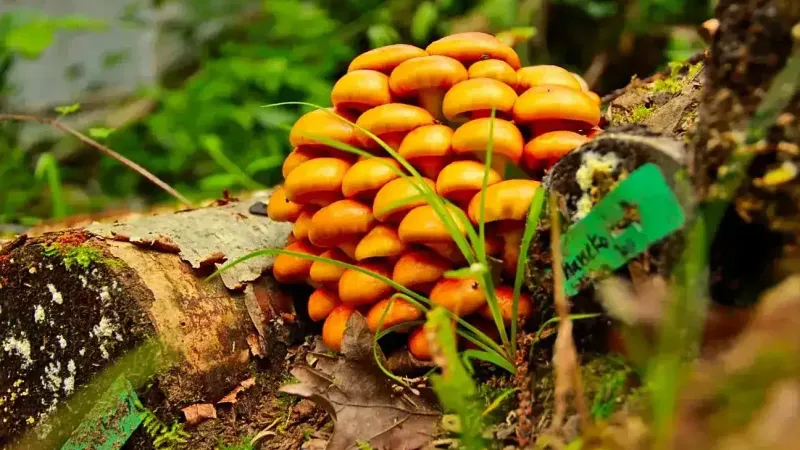
Grow Nameko (Pholiota nameko) at home — bottle/bag method on hardwood sawdust, 90%+ humidity for the signature mucilage, and cool-temp fruiting parameters.

Why Grow This Species?

Energy

Pholiota Nameko is believed to enhance energy levels by improving cellular energy production and increasing oxygen utilization. It may help combat fatigue and improve stamina, making it popular among athletes and individuals seeking a natural energy boost.

Euphoric

Pholiota Nameko can induce feelings of happiness or excitement.

Perceptual

Pholiota Nameko can cause changes in time perception, spatial perception, and perception of one's own body.

Community Rating

4.3

Growing Guide Ratings

4.3

(4)

Based on 4 Reviews

5

★

4

★

3

★

2

★

1

★

Share your thoughts

If you've consumed this growing guide, share your thoughts with our community

Nameko guide, got nice caps

01/29/2025

Clear step by step instructions. Didnt know humidity and temp mattered so much but the guide explained it well. Got beautiful amber caps after some patience. They taste great in soups

Nameko guide, golden caps

01/29/2025

Easier than I thought. Detailed steps from substrate prep to humidity. First batch took about a month and those shiny golden caps looked great. Fun to examine under microscope too

1 person found this helpful


Nameko growing tips that work

01/29/2025

Namekos are tricky but this guide breaks it down pretty well. Still working on getting consistent flushes but at least I know what to aim for now. The substrate recipe is solid.
Background4 new

How To Grow Nameko at Home

Loading...
  • Home
  • Mushrooms
  • Growing Guide
  • Pholiota Nameko Shroomspy Guide To Growing Nameko At Home
Natural Mushroom Habitat

Natural Habitat

• Ecosystem:

Deciduous trees, especially beech and poplar

• Locations:

Japan, China, Korea

• Seasons:

Summer to Fall

• Climate:

Temperate

• Substrate:

Wood

Growing Parameters

Yield Performance

• Units:

Biological Efficiency %

• Poor:

25

• Average:

50

• Good:

65

• Excellent:

80

Supplies for This Guide

Recommended cultivation supplies from independent vendors

View All Nameko Supplies

You Might Also Like

ShroomSpy Guide to Growing Chestnut Mushroom at Home

Grow Chestnut mushrooms (Pholiota adiposa) at home on supplemented hardwood sawdust — a Nameko cousin with rich, nutty caps and slightly sticky surfaces.

ShroomSpy Guide to Growing Shimeji at Home

Grow Shimeji mushrooms (Hypsizygus tessulatus) at home — bottle culture, cold-temp fruiting parameters, and white (Bunapi) vs brown (Buna) variety tips.

ShroomSpy Guide to Growing Enoki at Home

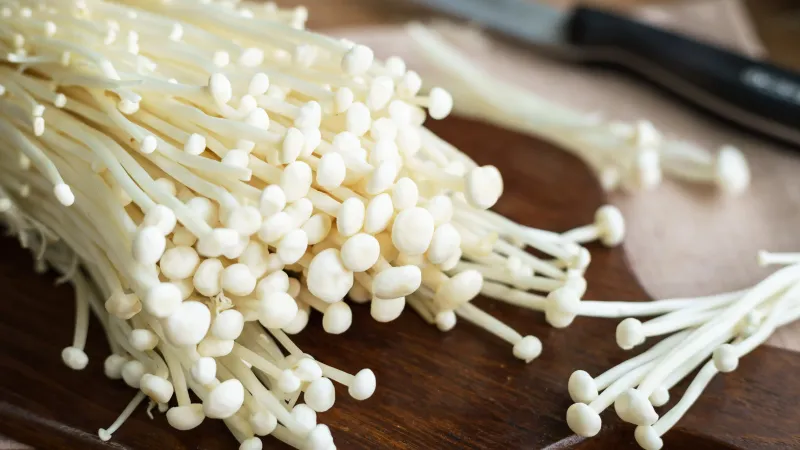
The long white Enoki from the store is shaped by a paper collar, high CO2, and cold temps. Without those tricks you get wild-type: orange caps, short stems, totally different look. This guide covers both forms and the bottle method.