Medicinal Mushrooms for Cancer Support: What the Research Says
By Josh Shearer on 04/10/2026
Explore the science behind medicinal mushrooms in cancer support. Learn about Turkey Tail, Reishi, Shiitake, and what clinical studies actually show.
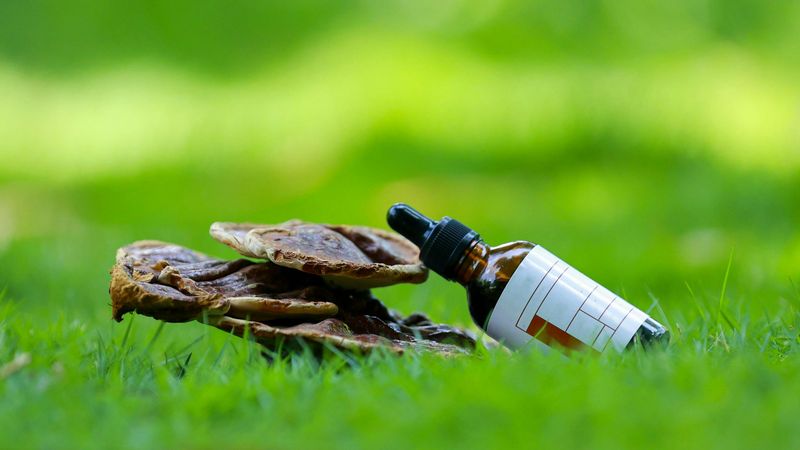
Integrative oncology, the practice of combining evidence-based complementary approaches with conventional cancer treatment, has grown substantially over the past two decades. Within that field, medicinal mushrooms have attracted serious scientific attention. Researchers across Japan, China, the United States, and Europe have investigated how certain fungal compounds may support immune function, reduce treatment side effects, and potentially improve outcomes for cancer patients undergoing chemotherapy, radiotherapy, or surgery.
This article is not medical advice. Mushrooms are not a replacement for oncology care, and nothing in this article should be interpreted as a claim that mushrooms treat or cure cancer. What follows is a plain-language summary of what peer-reviewed research has studied, what it has found, and critically, where the evidence still has important limitations. Always consult your oncologist or a qualified healthcare provider before adding any supplement to a cancer treatment plan.
With that context established, here is what the science currently says.
Understanding Mushroom Compounds in Cancer Research
Medicinal mushrooms contain several classes of bioactive compounds that researchers have studied in the context of cancer biology.
Beta-glucans and polysaccharides are the most extensively studied. These complex carbohydrates, particularly beta-D-glucans, have demonstrated the ability to activate key components of the immune system — including cytotoxic macrophages, monocytes, neutrophils, natural killer (NK) cells, and cytokines such as interleukins and interferons — that trigger complementary and acute phase responses. Critically, beta-D-glucans linked to proteins have demonstrated greater immunopotentiation activity than free glucans alone, which is why proteoglycan extracts like PSK (from Turkey Tail) have been the subject of large-scale clinical trials.
Terpenoids and triterpenoids — including the ganoderic acids found in Reishi — have been studied for direct effects on cancer cells in laboratory settings, including suppression of cell adhesion, migration, and invasion.
Lectins and immunomodulatory proteins represent a third category. Fungal immunomodulatory proteins have been studied for their effects on immune regulation, with some research exploring their potential as biological response modifiers.
The mechanism most supported by the current evidence base is immune modulation: mushroom compounds appear to act on the host immune system rather than directly attacking tumor cells, which is why they are most often studied as adjuvants alongside conventional therapies rather than as standalone treatments.
Key Medicinal Mushrooms in Cancer Research
Turkey Tail (Trametes versicolor), PSK and PSP
Turkey Tail is the most clinically studied medicinal mushroom in oncology. It is the source of two key extracts: PSK (Krestin), a proteoglycan derived from mycelium, and PSP (polysaccharopeptide), a related compound. Both are licensed in Japan as adjuvant therapies for cancer patients.
The evidence base for Turkey Tail in cancer is substantial. Eight randomized controlled clinical trials, including 8,009 patients with gastric cancer treated with PSK in combination with chemotherapy, indicate that adjuvant immuno-chemotherapy improved survival after gastric resection compared to chemotherapy alone. PSK has also been studied across a range of other cancers with noteworthy results:
- In a 1993 study on patients with stage I–III non-small cell lung cancer treated with radiotherapy and PSK, PSK extended 5-year survival two to four times for all stages.
- In a 2003 study with non-small cell lung cancer patients post-radiotherapy, patients who received 3g PSK daily in two-week cycles were nearly four times more likely to be alive after five years than those without PSK (27% versus 7%).
- In colorectal cancer, tegafur/uracil plus PSK was associated with a significantly higher 5-year overall survival rate in the PSK group compared to chemotherapy alone.
Research has also shown that PSP may enhance treatment efficacy directly: oral administration of PSP with radiotherapy significantly increased the percentage of apoptotic (dying) cells at 24 hours compared to radiation alone, while also reducing radiotherapy-induced decreases in white blood cell count.
Reishi (Ganoderma lucidum)
Known as Ling Zhi in Chinese medicine (the "spirit mushroom" or "mushroom of spiritual potency") and Reishi or Mannetake in Japanese tradition, Reishi has one of the longest histories of medicinal use of any fungus.
In vitro studies using organic Ganoderma lucidum extracts have shown that Reishi compounds can inhibit adhesion, migration, and invasion of estrogen-independent, highly metastatic human breast cancer cells. Epidemiological data supports the observation of reduced risk of developing breast cancer from regular consumption of mushrooms, with Ganoderma lucidum among the species studied.
Reishi has also attracted research attention in prostate cancer. Multiple in vitro studies have shown suppression of both androgen-dependent and androgen-independent cell growth. The ganoderol B compound isolated from Reishi fruiting body has been shown to have anti-androgenic effects, and epidemiological data suggests a potential inverse relationship between Ganoderma lucidum consumption and incidence of prostate cancer, though this area requires substantially more clinical investigation.
It is worth noting that Reishi's cancer-related research is predominantly preclinical (cell studies and animal models). The clinical trial evidence for Reishi is less developed than for Turkey Tail, and strong conclusions about human outcomes cannot currently be drawn.
Shiitake (Lentinula edodes), Lentinan
Shiitake is well known as a culinary mushroom, but it is also the source of lentinan, a purified beta-glucan that has been used as a licensed drug in Japan for the combined treatment of oncological diseases for decades. Both intravenous and oral preparations of lentinan are available.
Five clinical studies involving 650 patients with non-resectable or recurrent stomach tumors demonstrated that patients treated with chemotherapy and lentinan had significantly higher survival compared to chemotherapy alone. A multicenter clinical study also demonstrated the safety and efficacy of an oral formulation of superfine dispersed lentinan (SDL) for suppressing the adverse effects of chemotherapy and improving quality of life scores in patients with advanced colorectal cancer.
The research on lentinan in gastric cancer is among the strongest clinical evidence in the entire medicinal mushroom field.
Maitake (Grifola frondosa), D-Fraction
Maitake has been studied primarily through its polysaccharide extracts, including the well-known D-fraction. Research has indicated that Grifola frondosa polysaccharide extract combined with fruiting body produced improvement in 65% of lung cancer patients in one study.
Preclinical research has also shown promising findings: non-toxic doses of polysaccharide extracts from Grifola frondosa, when combined with a non-toxic dose of vitamin C, were found to be strongly cytotoxic to bladder cancer cells, producing over 90% cell death in vitro. These are laboratory findings, and clinical translation has not yet been demonstrated — but they point to interesting directions for future research.
Epidemiological studies from Japan have also examined Grifola frondosa consumption in relation to gastric cancer risk.
Agaricus (Agaricus subrufescens / Agaricus blazei)
Agaricus subrufescens (also known as Agaricus blazei Murrill) has been studied specifically in gynecological cancers. A polysaccharide extract of this species was shown to enhance NK cell activity in patients with gynecological cancers — including cervical, uterine, and endometrial cancer — who were undergoing chemotherapy (carboplatin plus etoposide or carboplatin plus taxol). The same research noted reduced side effects from chemotherapy, including less appetite suppression, alopecia, emotional instability, and general weakness in the supplemented group.
You can explore the full range of species from our or browse all medicinal mushroom products if you want to learn more about specific varieties.
A Note on Lion's Mane
Lion's Mane (Hericium erinaceus) appears in comparative studies of mushroom species tested against cancer cell lines. While it is most widely researched for its neuroprotective properties, preliminary research has included it alongside other medicinal species in broader anticancer investigations. The current evidence for Lion's Mane specifically in cancer contexts is far more limited than for Turkey Tail or Shiitake, and it should not be positioned as a cancer-support supplement based on current evidence.
What Clinical Studies Actually Show
Before drawing any conclusions, it is important to understand the landscape of evidence as a whole.
The strongest clinical evidence in medicinal mushroom cancer research sits squarely with PSK (Turkey Tail) and lentinan (Shiitake), particularly in gastric and colorectal cancers. These are not fringe findings — they involve thousands of patients in randomized controlled trials, and they have been sufficient to support regulatory approval in Japan.
Research has also demonstrated that mushroom extracts used alongside surgical excision of tumors show no contraindication. Additionally, two double-blind placebo-controlled studies at Harvard Medical School showed that fungal beta-glucan at 2g/day was effective at protecting surgical patients from post-operative infection, underscoring the immune-supportive role of these compounds.
However, the evidence base has important limitations that must be acknowledged:
Many studies are preclinical. A significant portion of the exciting findings from medicinal mushrooms — particularly for Reishi, Chaga, Lion's Mane, and other species — come from cell culture (in vitro) studies or animal models. Results in these settings do not reliably translate to human clinical outcomes. The gap between "kills cancer cells in a petri dish" and "improves survival in humans" is enormous.
Much of the strongest evidence is from Japan and Asia. While the clinical trials for PSK and lentinan are rigorous, they primarily involve specific patient populations and treatment protocols. Generalizability to other healthcare contexts requires further investigation.
Study quality varies widely. Not all mushroom cancer research is equally rigorous. Some studies lack proper controls, have small sample sizes, or use non-standardized extracts that cannot be compared to commercial products.
Standardization of products matters. The polysaccharide content, extraction method, and purity of mushroom supplements varies enormously across commercial products. A mushroom supplement purchased without verification of beta-glucan content may bear little resemblance to the standardized extracts used in clinical trials.
Important Considerations: Complementary, Not Alternative
This section is critical. If you or someone you care about is navigating a cancer diagnosis, please read this carefully.
Medicinal mushrooms are not a replacement for conventional cancer treatment. Surgery, chemotherapy, radiotherapy, targeted therapy, and immunotherapy are the treatments with the strongest clinical evidence for treating cancer. Abandoning or delaying these treatments in favor of supplements — including mushroom supplements — is associated with significantly worse outcomes.
The clinical interest in mushroom extracts like PSK and lentinan is specifically in their role as adjuvants — meaning they are studied and used alongside conventional treatment, not instead of it. The survival benefits observed in PSK and lentinan trials were in patients who also received surgery or chemotherapy.
Always consult your oncologist before starting any supplement. This is not a formality. Mushroom supplements can potentially interact with certain cancer medications. Some may affect immune system activity in ways that could theoretically interfere with certain immunotherapy drugs. A qualified oncologist or integrative medicine specialist can review your specific treatment protocol and advise appropriately.
Quality and sourcing matter enormously. Because supplement markets are largely unregulated in the United States, the product on a store shelf may not contain what the label claims. Look for third-party tested products, and pay attention to whether a product specifies its beta-glucan content and extraction method. Our species database can help you understand what compounds to look for, and our shop features products we've vetted for quality standards.
Growing your own is one way to ensure quality — our growing guides cover species like Shiitake and Lion's Mane that can be cultivated at home.
Looking Forward: The State of the Research
Medicinal mushroom cancer research is genuinely active. Several directions are particularly promising:
Combination approaches are drawing increasing attention. In vitro research has shown synergistic effects when Ganoderma lucidum extracts are combined with green tea, with the combination producing greater inhibition of breast cancer cell invasion than either compound alone. Research into mushroom polysaccharides combined with conventional cytotoxic agents is ongoing.
Understanding beta-glucan mechanisms remains an active area. While researchers have established that beta-D-glucans activate immune effector cells and cytokines, the precise mechanisms of biological activity have not been completely characterized. Physicochemical differences between beta-glucans isolated from different mushroom species appear to affect their biological properties in ways still being mapped.
Biomarker-driven research (identifying which patients are most likely to benefit from specific mushroom adjuvants) is beginning to emerge. The PSK lung cancer data, for instance, suggested maximum benefit in patients over 70 and in tumors less than 5cm in diameter, suggesting that patient selection may be important.
Broader species investigation is underway. The species we currently understand best (Turkey Tail, Shiitake, Maitake, Reishi) represent a small fraction of fungal biodiversity. Comparative studies across dozens of mushroom species are beginning to identify less-studied candidates with significant anticancer potential in preclinical settings.
Summary
The research on medicinal mushrooms in cancer support is more substantial than many people realize, and more nuanced than many supplement marketers suggest. PSK from Turkey Tail and lentinan from Shiitake have genuine clinical trial evidence supporting their use as adjuvants in gastric and colorectal cancer. Reishi, Maitake, and Agaricus species show promise in preclinical research and limited clinical investigation. Across all of these, the evidence points to immune modulation, supporting the body's own defenses, rather than direct tumor destruction.
None of this should be interpreted as a green light to self-prescribe mushroom supplements during cancer treatment. The right approach is to bring this research to your oncology team, ask whether integrative support makes sense in your specific case, and if so, work with qualified practitioners to select quality, evidence-appropriate products.
The science here is real. So is the need for caution.
This article is for informational purposes only and does not constitute medical advice. Always consult a qualified healthcare provider before making any changes to a cancer treatment plan or starting any new supplement.
Frequently Asked Questions
No. The article is explicit that medicinal mushrooms are not a replacement for conventional cancer treatment such as surgery, chemotherapy, radiotherapy, targeted therapy, and immunotherapy. The clinical interest in extracts like PSK and lentinan is specifically as adjuvants studied alongside conventional treatment, not instead of it, and the survival benefits observed were in patients who also received surgery or chemotherapy. Always consult your oncologist before adding any supplement to a cancer treatment plan.
References
- Hobbs, C. (2021). Christopher Hobbs's Medicinal Mushrooms: The Essential Guide: Boost Immunity, Improve Memory, Fight Cancer, Stop Infection, and Expand Your Consciousness. United States: Storey Publishing, LLC..
- Rogers, R. (2011). The Fungal Pharmacy: The Complete Guide to Medicinal Mushrooms and Lichens of North America. United States: North Atlantic Books.
- Powell, M. (2010). Medicinal Mushrooms: A Clinical Guide. Mycology Press.
- Wesa, K. M. & Cassileth, B. R. (2009). Phase I/II Trial of a Polysaccharide Extract from Grifola frondosa (Maitake Mushroom) in Breast Cancer Patients. Journal of Cancer Research and Clinical Oncology, 135(9), 1215-1221.
- Wasser, S. P. (2009). Immunomodulatory activities of mushroom glucans and polysaccharide-protein complexes in animals and humans. International Journal of Medicinal Mushrooms, 11(3), 209-217.
- Oba, K., Teramukai, M., Kobayashi, M., Matsui, T., Kodera, Y., & Sakamoto, J. (2007). PSK and survival of patients with gastric cancer: comprehensive meta-analysis of randomized clinical trials. Nutrition and Cancer, 57(2), 158-164. https://doi.org/10.1080/01635580701274597
- Kidd, P. M. (2000). The use of mushroom glucans and proteoglycans in cancer treatment. Alternative Medicine Review, 5(1), 4-27.