How to Make Chaga Tea (Simple Simmer Method)
By Louis on 30/07/2026
How to make chaga tea from chunks, powder, or extract. A dark, earthy, caffeine-free brew, plus simmer times, reuse tips, and one honest caveat.
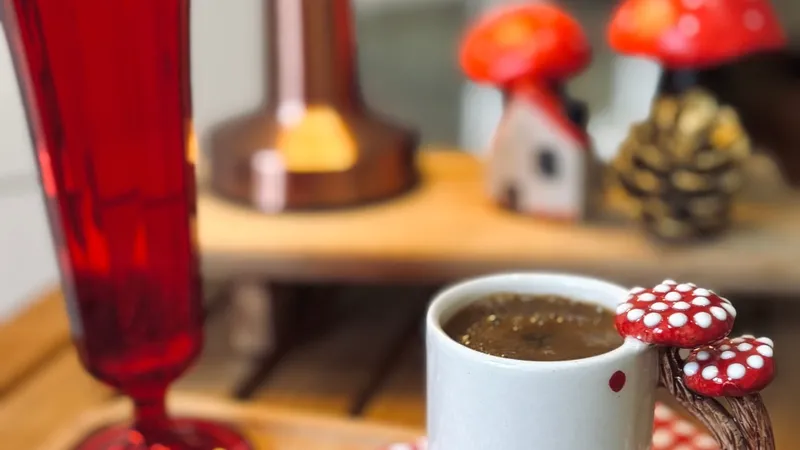
How to Make Chaga Tea: A Simple Recipe and Brewing Tips
Chaga makes the most coffee-like tea in the functional mushroom world: dark, earthy, with a faint vanilla sweetness and zero caffeine. It is also the most stubborn to brew, because chaga is a hard, woody growth rather than a soft mushroom, so it needs a slow simmer instead of a quick steep. Get the method right and you get a rich, satisfying cup you can sip any time of day. Whether you are working with raw chunks, ground chaga, or an instant extract, here is how to make chaga tea properly, plus the tips that separate a flavorful brew from weak brown water.
Why Chaga Tea?
Chaga is the antioxidant heavyweight of the functional mushroom world. It is rich in antioxidants and its beta-glucans are studied for the way they may support immune activity, though most of that evidence sits in lab and animal research rather than large human trials. It is also naturally caffeine-free, which makes chaga tea an easy swap for an evening coffee or a sugary drink. There are other lovely functional mushrooms beverages you can check out as well.
The flavor helps its case. Chaga brews dark and earthy with a natural hint of vanilla and only mild bitterness, closer to a smooth dark roast than to anything you would call mushroomy. For the full rundown of what chaga and other functional mushrooms may do, the tea benefits guide covers the evidence in depth.
What You'll Need
Chaga comes in a few forms, and the form decides your method. Raw chunks are the traditional choice and make the richest brew, but they need the longest simmer. Ground chaga behaves similarly with a shorter cook time. Extract powder is the quick option, dissolving into hot water like an instant tea. Pre-made tea bags exist too and sit somewhere in the middle for convenience.
Beyond the chaga and water, the only extras you might want are add-ins: honey or maple syrup, a squeeze of lemon, warming spices like cinnamon or vanilla, or a splash of milk for a latte-style cup.
The Basic Chaga Tea Recipe
This simmer method with chunks or ground chaga is the authentic way, and it makes a small batch you can keep.
Ingredients (makes about 4 cups)
- 4 cups (1 liter) water
- 1 to 2 tablespoons chaga chunks, or 1 to 2 teaspoons ground chaga
- Optional: honey, cinnamon, vanilla, lemon, or milk
Method
- Add the water and chaga to a pot.
- Bring it to a gentle simmer, not a hard rolling boil, since high heat is thought to damage some of the more delicate compounds.
- Keep it at a low simmer: fifteen to thirty minutes for ground chaga, or one to three hours for chunks, until the water turns a deep amber-brown.
- Strain the tea, and set the chunks aside if you want to reuse them.
- Sweeten or flavor to taste, then serve hot or refrigerate for later.
In a hurry? Stir half to one teaspoon of chaga extract powder into a mug of hot water and you have a cup in about a minute, no simmering required.
Faster and Batch Methods
The long simmer pays off in flavor, but you have options. A slow cooker or an insulated thermos lets you steep chunks gently for several hours or overnight with no babysitting, which is the easiest way to make a big batch. Tea bags simply need a longer steep than regular tea, closer to five to ten minutes in very hot water. And the extract powder is always there for a fast single cup.
One of chaga's best tricks is reuse. The chunks hold plenty of flavor after a first brew, so you can simmer the same batch several times, adding fresh water, until the tea runs pale. It stretches your chaga a long way.
Get the Most From Your Cup
A few habits make a better brew. Keep the heat at a gentle simmer rather than a violent boil, both to protect the compounds and to pull a smoother flavor. Brew a batch and refrigerate it, since cold chaga tea is excellent over ice and saves you repeat simmering. And know that some of chaga's compounds are water-soluble while others come out better with alcohol, which is why dual-extracted chaga products capture a fuller spectrum than a plain home brew. For everyday tea, a good hot-water decoction is perfectly satisfying.
Flavor, Moderation, and Choosing Good Chaga
Chaga's earthy, vanilla-tinged flavor takes beautifully to add-ins. A drizzle of honey and a pinch of cinnamon lean into its natural sweetness, a squeeze of lemon brightens it, and a splash of milk turns it into a cozy latte.
One honest caveat belongs here. Chaga is naturally high in oxalates, so it is a tea to enjoy in moderation rather than by the pot all day. Heavy, prolonged intake has been linked to kidney strain, mainly in people who already have kidney concerns. If you have kidney disease, a history of stones, or take related medication, check with a clinician before making chaga a daily habit.
Quality matters too, because chaga grows on birch trees and absorbs from its environment, including heavy metals. Look for wild-harvested birch chaga or a tested extract backed by a third-party certificate of analysis. The functional mushroom products on ShroomSpy are curated against those sourcing and testing standards.
Looking for something more mild? Check out our Lion's Mane tea guide.
The Short Version
Making chaga tea is mostly a matter of patience: simmer chunks or ground chaga gently until the water runs deep amber, then strain, flavor, and sip. Reach for extract powder when you want a fast cup, use a slow cooker or thermos for a hands-off batch, and reuse your chunks until they give out. It is dark, earthy, caffeine-free, and easy to love, just keep it to a sensible daily amount given its oxalate content, and start with well-sourced, tested chaga for the best and safest cup.
Ready to take your mycology journey to the next level? Browse our full range of mushroom products at ShroomSpy.com/mushrooms/products and find everything you need to grow, forage, and thrive.
This post covers functional mushrooms and supplements as researched foods. It does not diagnose, treat, cure, or prevent any disease, and the mushrooms discussed are non-psychoactive culinary species.
Check out our Chaga Products!
Preguntas frecuentes
Simmer chaga chunks or ground chaga gently in water until it turns deep amber-brown, fifteen to thirty minutes for ground chaga or one to three hours for chunks, then strain and flavor to taste. For a fast cup, stir chaga extract powder into hot water instead.