Functional Mushroom Beverages: The Complete Guide
By Louis on 08/07/2026
Coffee, tea, tonics, and lattes made with real fungi. Learn what functional mushroom beverages do, how they taste, and how to buy a good one.
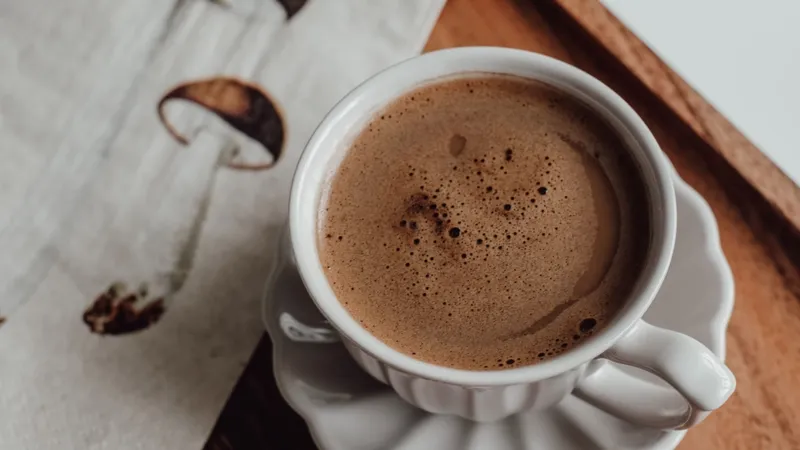
Functional Mushroom Beverages: The Complete Guide to Coffee, Tea, and Everything Sippable
Somewhere between your third espresso and your bedtime chamomile, a whole category of drinks has quietly moved in. Functional mushroom beverages take the ritual you already love, a warm cup in both hands, and swap in extracts from lion's mane, chaga, reishi, and cordyceps. No, they will not send you on a trip. These are culinary and functional fungi, not the psychoactive kind, and the "functional" part refers to compounds studied for the way they may support the body rather than any promise to fix it.
The category is broad and a little chaotic, which is exactly why a map helps. This guide walks through what these drinks actually are, how they taste, what the science does and does not support, and how to pick one that earns a place on your shelf.
What Makes a Beverage "Functional"
A functional beverage is any drink built to do more than hydrate or caffeinate. In the mushroom world, that means a coffee, tea, latte, or tonic that carries a measured dose of fungal extract, usually a powder made from the fruiting body, the mycelium, or both.
The star compounds are beta-glucans (a type of fiber studied for immune modulation), triterpenes, and in the case of lion's mane, hericenones and erinacines. These are the molecules researchers point to when they discuss how functional mushrooms may support cognition, calm, or recovery. The dose and the extraction method matter far more than the marketing on the pouch, a theme that comes up again and again below.
Mushroom Coffee, the Gateway Pour
Mushroom coffee is regular coffee cut with functional mushroom extract, typically a blend of ground beans plus a lion's mane, chaga, or cordyceps powder. Because the mushroom powder replaces some of the coffee, most blends land lower on caffeine than a straight cup, which is part of the appeal for people chasing focus without the afternoon crash.
The taste question trips up a lot of first-timers. Done well, it reads as a slightly earthy, mellow coffee. Done poorly, it tastes like a campfire.
Does instant mushroom coffee work?
Teas, Tonics, and the Slow Sippers
Not everyone wants caffeine, and this is where mushroom teas earn their keep. A hot-water extraction pulls the water-soluble beta-glucans out of tough, woody mushrooms like chaga, which is why tea is one of the oldest ways people have taken these fungi.
Mushroom tea covers a lot of ground, from earthy chaga to milder reishi blends, and the reasons people reach for each one vary.
Chaga is the classic. It brews into a dark, vaguely vanilla cup and is prized for its antioxidant content, though most of that research sits in lab and animal studies rather than large human trials.
Lion's mane tea is the go-to for people interested in cognitive support who would rather sip than swallow a capsule. It is gentle, faintly nutty and mildly sweet, and easy to make from powder or dried slices.
The Mushrooms Doing the Heavy Lifting
The drink is only as useful as what is in it, so it pays to know the four species you will meet most often. Here is where honesty matters, because the evidence tiers are not equal.
Lion's mane is the cognitive favorite. Its hericenones and erinacines can stimulate nerve growth factor in lab settings, and a handful of small human trials have looked at mood and mild cognitive support. The mechanism is genuinely interesting; the human data is still early and thin.
Chaga brings a heavy antioxidant profile and is studied for immune modulation. Most of that work is in vitro or in animals, so treat the human claims as promising rather than proven.
Reishi is the calm-down mushroom, used traditionally for relaxation and sleep support. Human trials exist but are mixed and often small.
Cordyceps is the athlete's pick, studied for oxygen utilization and endurance. Results in trained humans have been inconsistent, so manage expectations.
None of these is a medicine, and none should replace one. They are foods and supplements that may support normal function, which is a real but modest claim.
Match the Drink to Your Goal
The simplest way to choose is to start with what you want, then pick the mushroom and the format to match. For steady focus, lion's mane is the standout, whether as a morning coffee or a caffeine-free tea. For winding down, reishi tea is the classic evening cup. For energy and stamina, cordyceps leans toward a coffee or a pre-workout brew. And for antioxidant and immune support, chaga tea is the traditional choice.
None of these is a one-way door, so many people rotate through them as the day and the goal change. Buying a plain powder is the most flexible and often cheapest route, since one bag stretches across coffee and tea alike, where pods and ready-to-drink cans do not. If energy is your main target, the cordyceps guide goes deeper on the research and dosing.
How to Buy a Beverage Worth Drinking
Most of the disappointment in this category comes down to two problems: too little active mushroom, and no proof of what is inside. Chase two things and you avoid most of it.
First, look for the part of the mushroom used and the extraction. Fruiting-body extracts with a stated beta-glucan percentage tell you far more than a vague "mushroom blend" that could be mostly grain-grown mycelium. Second, look for a certificate of analysis, the third-party lab test that confirms the actives and screens for heavy metals, which woody mushrooms can pull from their environment.
At ShroomSpy, the functional mushroom powders and beverage blends are chosen with those two standards in mind, so you can compare species, formats, and lab documentation in one place instead of decoding a dozen brand sites.
The Short Version
Functional mushroom beverages are a genuinely useful category if you go in with clear eyes. Coffee is the easy start, tea suits the caffeine-free crowd, and powder is the flexible workhorse for building the habit across coffee and tea alike. The science is most encouraging for supporting normal function, not for treating anything, and the quality gap between products is wide enough that the certificate of analysis is your best friend. Pick your species, pick your format, and let the ritual do the rest.
Ready to take your mycology journey to the next level? Browse our full range of mushroom products at ShroomSpy.com/mushrooms/products and find everything you need to grow, forage, and thrive.
This post covers functional mushrooms and supplements as researched foods. It does not diagnose, treat, cure, or prevent any disease, and the mushrooms discussed are non-psychoactive culinary species.
Check out our Products!
Frequently Asked Questions
Yes. Real products are made from extracts of the mushroom fruiting body, the mycelium, or both, usually in powder form. The useful signal is a label that names the species and states a beta-glucan percentage rather than a generic "mushroom blend."