How to Store Mushrooms So They Last Longer: The Best Methods
By Louis on 08/25/2026
How to store mushrooms the right way, from the paper-bag trick to spotting spoilage. Keep fresh, cooked, and dried mushrooms at their best for longer.
How to Store Mushrooms So They Actually Last
Mushrooms are perishable little divas, and most people store them in the exact way that ruins them fastest: sealed in plastic, shoved to the back of the fridge, forgotten until they turn into a slimy science experiment. The good news is that keeping mushrooms fresh is genuinely easy once you know the one rule that matters most. This guide covers how to store fresh mushrooms so they last, how to handle different types, how to tell when they have turned, and when it is time to preserve them for the long haul instead.
The Golden Rule: Paper, Not Plastic
If you remember one thing, make it this. Fresh mushrooms should be stored in a paper bag in the refrigerator, not sealed plastic.
The reason comes down to moisture. Mushrooms are mostly water and they keep breathing after harvest, releasing moisture as they go. A sealed plastic bag or a wrapped clamshell traps that moisture against the mushrooms, and trapped moisture is what turns them slimy and speeds up decay. A paper bag does the opposite, absorbing excess moisture while still letting the mushrooms breathe.
Loosely fold the top of the bag, place it in the main body of the fridge, and that is it. Stored this way, most fresh mushrooms stay good for about a week to ten days.
Storing Different Types of Mushrooms
Not every mushroom keeps for the same length of time, so adjust for what you have.
Firm mushrooms like button, cremini, and portobello are the most forgiving and last longest in a paper bag. Store-bought mushrooms in a ventilated carton can stay in their original packaging until opened, after which the paper-bag method takes over.
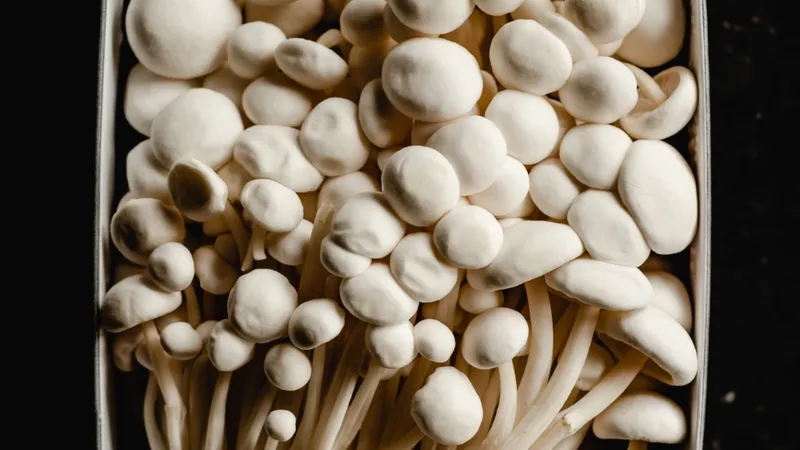
Delicate varieties like oyster and enoki are more perishable and want to be used within a few days. Enoki in particular should be kept in the fridge and used quickly.
Sliced or cut mushrooms spoil faster than whole ones because of the exposed surface, so use them within a couple of days. And any wild or foraged mushrooms should be treated as highly perishable and used promptly.
What mushrooms you want to cook and how you want to cook them matter when selecting which mushroom to obtain and when to cook it. So storage comes into play there too.
Should You Wash Mushrooms Before Storing?
No, and this one trips up a lot of people. Do not wash mushrooms before you store them.
Washing adds surface moisture, and moisture is exactly what makes stored mushrooms go slimy and spoil early. Keep them dry until the moment you are ready to cook, then give them a quick rinse or a wipe with a damp cloth. Storing them dry is one of the simplest ways to add days to their life.
The same logic applies to trimming. Leave mushrooms whole and intact in storage, and do your cleaning and cutting right before they go in the pan.
How to Tell If Mushrooms Have Gone Bad
Knowing when a mushroom has turned saves both your dinner and your stomach. Watch for a few clear signs.
Sliminess is the big one. A slick, wet, tacky surface means the mushroom is spoiling and should be tossed. Dark spots and bruising point to age, and while a few small spots can be trimmed, widespread discoloration means it is past its prime. A sour, ammonia-like, or generally off smell is a definite signal to discard. Visible mold, unsurprisingly, is a no.
Wrinkling and drying out, on the other hand, usually just means the mushroom is aging and losing moisture. These are often still fine to cook if they pass the smell and slime test. When a mushroom is slimy or smells off, though, do not risk it. Throw it out.
Storing Cooked and Dried Mushrooms
Fresh is only part of the story. Cooked and dried mushrooms follow different rules.
Cooked mushrooms should cool, then go into an airtight container in the fridge, where they keep for about three to five days. They reheat well and are handy to have ready for quick meals.
Dried mushrooms are the long-game champion. Kept in an airtight jar in a cool, dark place away from heat and light, they hold their flavor for months and often well over a year. This is why drying is such a popular way to preserve a surplus, turning a fleeting fresh haul into pantry depth you can reach for any time.
When to Preserve Instead of Store
Sometimes you have more mushrooms than a week in the fridge can handle. That is when short-term storage gives way to real preservation.
Freezing is the easiest long-term option, best done after a quick saute rather than raw, and it locks mushrooms away for months. Drying and dehydrating concentrate flavor and make mushrooms shelf-stable for a year or more. Canning is possible too, but it demands a pressure canner and careful attention to safety since mushrooms are low-acid, so it is the most involved route. Pick the method that fits your kitchen, and nothing has to go to waste.
Wrapping Up
Storing mushrooms well comes down to a handful of simple habits: keep fresh ones in a paper bag in the fridge, never sealed plastic, leave them dry and whole until you cook, and use delicate and sliced varieties fastest. Learn the signs of spoilage so you know when to toss, refrigerate cooked mushrooms in an airtight container for a few days, and keep dried ones in a sealed jar for the long haul. And when you have more than you can use in a week, freeze or dry them rather than letting them go to waste. Treat your mushrooms right and they will reward you with days, even months, of good eating.
Ready to take your mycology journey to the next level? Browse our full range of mushroom products at ShroomSpy.com/mushrooms/products and find everything you need to grow, forage, and thrive.
Check out our Products!
Frequently Asked Questions
Most fresh mushrooms last about a week to ten days when stored in a paper bag in the refrigerator. Delicate varieties like oyster and enoki, and any sliced mushrooms, spoil faster and are best used within a few days.