How to Cook Mushrooms: Methods, Tips & Varieties (2026)
By Louis on 08/12/2026
Learn how to cook mushrooms the right way, from cleaning and searing to the best variety for every dish. Start cooking like a fungi pro today.
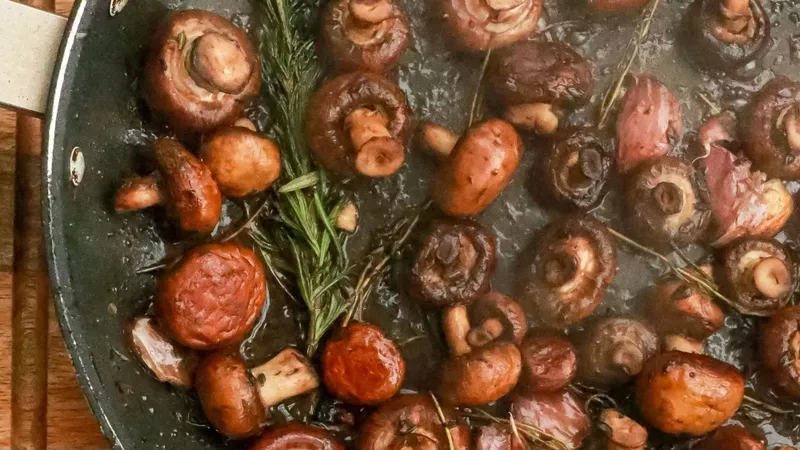
How to Cook Mushrooms: The No-Nonsense Guide to Getting Them Right
Most people cook mushrooms wrong, and the mushroom pays the price. They crowd the pan, drown everything in oil, and end up with a sad, gray, rubbery pile that tastes like a wet sponge with regrets. It does not have to be this way. Learning how to cook mushrooms well takes about ten minutes of theory and one decent pan, and once it clicks you will never look at that produce-aisle carton the same way again. This guide covers the whole thing: picking the right mushroom, prepping it without ruining it, the core cooking methods that actually work, and how to match technique to variety so a delicate oyster and a beefy king oyster both get their moment.
Start With the Right Mushroom
Cooking begins before the pan, at the point of buying. Fresh button and cremini mushrooms are fine everyday workhorses, but the flavor ceiling is low. If you want a dish that tastes like something, this is where dried gourmet mushrooms earn their keep. Dried porcini, shiitake, and morels carry a concentrated, savory depth that fresh grocery mushrooms simply cannot match, and a small bag lasts for months in the pantry.
Look for mushrooms that are firm and dry to the touch, with no slimy patches or dark bruising. Fresh caps should feel springy, not spongy. For dried, you want whole or large pieces rather than a bag of dust, since powder at the bottom usually means age and rough handling.
Clean Them Without Wrecking Them
The great mushroom myth is that you must never let them touch water or they will absorb it like a sponge and go soggy. This is mostly nonsense. Mushrooms are already about 90 percent water, and a quick rinse adds a trivial amount that cooks off in seconds. The real rule is speed: rinse fast, do not soak, and pat dry before cooking.
For most fresh mushrooms, a damp cloth or a brief rinse under running water handles the dirt. Trim the dry, woody base of the stem. Shiitake stems are too tough to eat but make excellent stock, so save them.
Dried mushrooms need rehydrating. Cover them in hot (not boiling) water for 20 to 30 minutes until pliable, then lift them out and, importantly, keep the soaking liquid. That dark broth is liquid umami and belongs in your risotto, sauce, or soup.
The Core Cooking Methods
There are really only a handful of methods worth knowing, and they cover 95 percent of everything you will ever cook.
Sautéing and searing is the default. Get a wide pan hot, add a little oil, and add the mushrooms in a single layer with room to breathe. Crowding is the number one mistake: pile them up and they steam in their own moisture, turning gray and limp. Give them space, leave them alone for a couple of minutes to brown, then toss. Salt near the end, not the start, so they brown before they release water.
Roasting is the hands-off hero. Toss with oil and salt, spread on a sheet pan, and roast at 425°F for 20 to 25 minutes. High heat concentrates flavor and gives you crispy edges with almost no babysitting.
Grilling suits big, meaty caps like portobello and king oyster, which hold their structure over fire and develop a smoky char.
Braising and soups reward the tougher, chewier varieties, slowly softening them while they soak up the surrounding broth.
Match the Method to the Mushroom
Not every mushroom wants the same treatment, and this is where cooks level up. Delicate varieties cook fast and burn easily; dense ones can take real heat and time.
Oyster mushrooms are tender and quick, ideal for a hot, fast sauté where their frilly edges crisp up. Lion's mane has a shreddy, almost crab-like texture that shines when torn and seared into golden pieces. King oyster is the dense, meaty outlier: thick-cut and seared, it develops a scallop-like bite that holds up to bold sauces.
Shiitake brings a smoky, savory punch and takes well to both stir-fries and roasting. Portobello is the burger-and-grill mushroom, big enough to stand in for a patty. Chanterelles are prized and delicate, best cooked simply in butter so nothing masks their fruity, peppery flavor.
We have deep dives on the trickier ones.
Season Like You Mean It
Mushrooms are a savory sponge for flavor, and a little intention goes a long way. Fat is your friend: butter browns them beautifully, while olive oil holds up to higher heat. A splash of soy sauce, tamari, or a hit of the reserved dried-mushroom soaking liquid deepens the natural umami without any fuss.
For aromatics, garlic and thyme are the classic pairing, added toward the end so the garlic does not scorch. Shallots, rosemary, and a squeeze of lemon at the finish all play well. Acid brightens the whole dish and cuts through the richness.
The one thing to avoid is timing salt too early. Salt pulls water out, so if you add it at the start you will steam instead of sear. Season with restraint up front, then adjust at the end once the browning is locked in.
Mushrooms as a Meat Substitute
Meaty mushrooms are one of the easiest, least preachy ways to eat less meat without missing it. Their dense texture and deep savory flavor let them stand in for the real thing in plenty of dishes. A grilled portobello cap makes a genuine burger, king oyster slices pull apart into convincing "scallops" or "pulled" fillings, and torn lion's mane fries up with a texture that surprises people at the table.
The trick is treating them like meat, not like a garnish. Press out moisture, get real color on them with high heat, and season boldly. A mushroom cooked timidly tastes like a compromise; one cooked with confidence tastes like a choice.
Make Them Last: Storing and Preserving
Cooking well is only half the battle if half your haul rots in the crisper drawer. Fresh mushrooms breathe, so store them in a paper bag in the fridge, never a sealed plastic clamshell, which traps moisture and speeds decay. Most last about a week that way.
For the long game, preserving turns a good haul into months of pantry depth. Drying and dehydrating concentrate flavor and give you shelf-stable mushrooms that rehydrate on demand. Freezing works best after a quick sauté rather than raw. Pickling and canning open up a whole different set of flavors for the ambitious cook.
We cover each method in detail so you can pick the one that fits your kitchen and your patience.
Stock Your Kitchen for Better Cooking
Great mushroom cooking is easier when you start with great mushrooms. On ShroomSpy you can source dried gourmet varieties like porcini and shiitake that bring restaurant-level depth to home cooking, plus everything you need if you want to grow your own culinary mushrooms from the start. A grow-your-own oyster or lion's mane kit means the freshest possible mushrooms, harvested the same day you cook them, with a flavor no grocery carton can touch.
Wrapping Up
Cooking mushrooms well comes down to a few honest rules: buy firm and fresh or reach for concentrated dried gourmet varieties, prep fast and dry, give them room in a hot pan, and salt at the end so they brown instead of steam. Match delicate varieties to quick heat and meaty ones to bold techniques, lean on fat and umami to season, and preserve what you cannot use so nothing goes to waste. Master those and you will get golden, savory, deeply satisfying mushrooms every single time, no wet sponges in sight.
Ready to take your mycology journey to the next level? Browse our full range of mushroom products at ShroomSpy.com/mushrooms/products and find everything you need to grow, forage, and thrive.
Check out our Products!
Frequently Asked Questions
Yes, a quick rinse is fine. Mushrooms are already mostly water, so a fast rinse or a wipe with a damp cloth removes dirt without making them soggy. Just pat them dry and avoid soaking fresh mushrooms, which is where sogginess actually comes from.