Foraging Reishi Mushrooms: Where, When, and How to Prepare This Powerful Medicinal Fungus
By Josh Shearer on 10/15/2025
Learn how to forage Reishi mushrooms in the wild—discover the best times, locations, conditions, and preparation tips. A complete guide for beginner and seasoned foragers alike.
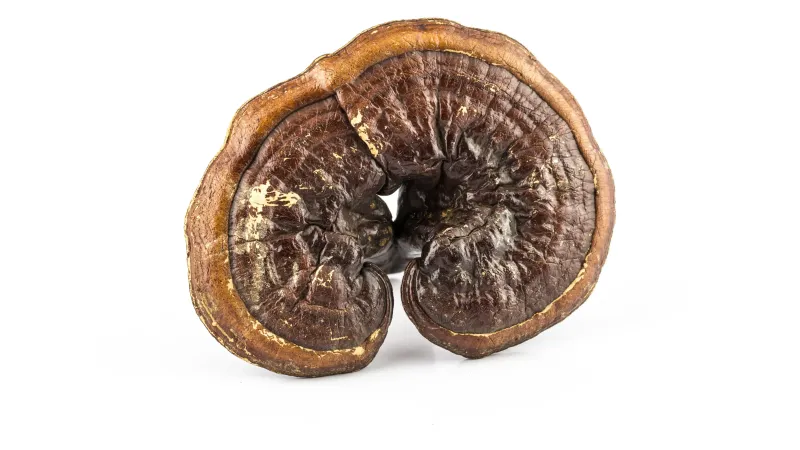
Foraging for Reishi mushrooms (Ganoderma spp.) is more than a pastime—it's a connection to nature and one of the most valued forms of traditional natural medicine. Revered for centuries in traditional Chinese medicine and now widely researched for its potential health benefits, Reishi is known as the "mushroom of immortality."
In this comprehensive guide, you'll learn where and when to find Reishi mushrooms in the wild, the ideal conditions they grow in, and how to properly harvest, dry, and prepare them for use. Whether you're a first-time forager or a seasoned mushroom hunter, this guide is packed with practical advice to make your Reishi journey successful and safe.
What Are Reishi Mushrooms?
Reishi mushrooms belong to several species within the Ganoderma genus, most notably Ganoderma lucidum and Ganoderma tsugae, among others. Different Ganoderma species are referred to as "Reishi" depending on the region.
These mushrooms are known for:
- A woody, shelf-like structure
- A reddish-brown, varnished cap
- A bitter taste and lack of culinary value
- Potential medicinal properties — immune modulating, anti-inflammatory, and adaptogenic
Reishi cannot be eaten like culinary mushrooms but are typically prepared as teas, tinctures, or powdered extracts.
Where to Find Reishi Mushrooms in the Wild
1. Geographic Locations
Reishi grows in temperate and subtropical forests around the world, including:
- North America (Eastern U.S., Pacific Northwest, parts of Canada)
- Asia (especially China, Japan, Korea)
- Europe (warmer forested areas)
In North America:
- Ganoderma lucidum is found in warmer climates, often in the southeastern U.S.
- Ganoderma tsugae, a close relative, prefers northern climates and grows specifically on hemlock trees.
2. Tree Hosts and Substrates
Reishi is a saprophytic fungus, meaning it grows on dead or dying hardwood trees such as:
- Hemlocks (Ganoderma tsugae)
- Oaks
- Maples
- Elms
- Beeches
Look for stumps, decaying logs, or the base of weakened trees. These mushrooms do not grow in soil but rather on wood-based substrates.
3. Urban Foraging Caution
Reishi can sometimes be found in urban parks or landscaped areas, but be cautious. Avoid harvesting near:
- Polluted roadsides
- Industrial areas
- Pesticide-treated zones
When to Forage Reishi Mushrooms
1. Best Seasons
Reishi typically fruits from late spring to early autumn depending on local climate and elevation.
- Ganoderma lucidum: Fruits mid-summer through fall
- Ganoderma tsugae: Begins earlier, sometimes as early as May, especially in the Northeast U.S.
2. Daily Timing
Foraging is best done:
- Early in the morning, especially during damp or humid weather
- After rainfall, when the mushrooms are fully hydrated and easier to identify
3. Growth Cycle Indicators
Look for:
- Young, bright red and shiny caps (ideal for harvesting)
- Older mushrooms may be faded, cracked, or covered in spores, indicating reduced potency
How to Identify Reishi Mushrooms Safely
Key Features:
- Varnished, reddish-brown cap
- White to yellow edges on young specimens
- Woody or cork-like texture
- No gills — instead has a spore surface with fine pores
- Distinct concentric rings or zones of color as they mature
Lookalikes to Avoid
- Artist's Conk (Ganoderma applanatum) – similar appearance but lacks the varnished shine
- Red Belted Polypore (Fomitopsis pinicola) – not toxic but has a different medicinal profile
Spore Print
A white to brown spore print confirms Ganoderma spp.
Tip: When in doubt, consult a local mycologist, foraging group, or extension service.
How to Harvest Reishi Mushrooms
Tools You'll Need:
- Sharp knife or pruning saw
- Gloves (optional but helpful)
- Mesh or canvas bag for airflow
- Brush to remove debris
Harvesting Steps:
- Cut at the base of the mushroom cap where it connects to the wood.
- Choose younger specimens — they're more potent and easier to dry.
- Avoid overharvesting: leave some behind for ecosystem sustainability and spore dispersal.
Post-Foraging: Cleaning and Drying Reishi
1. Cleaning Reishi
- Use a dry brush or cloth to gently wipe off dirt.
- Avoid soaking in water — Reishi is absorbent and may spoil.
- You can use a damp cloth for stubborn debris.
2. Slicing for Drying
- Slice into thin strips (1/4 to 1/2 inch thick) for faster drying and easier future use.
- Reishi becomes very hard once dry, so cut it while still pliable.
3. Drying Methods
- Dehydrator at 95-115 F (35-46 C)
- Oven at lowest temperature, door cracked open
- Sun drying in dry, warm climates (protect from insects)
Dry until the slices are brittle and snap easily.
How to Store Dried Reishi Mushrooms
- Use glass jars with airtight lids
- Store in a cool, dark place
- Optionally, add silica packs to absorb moisture
Properly stored, dried Reishi can last up to two years.
How to Prepare and Use Reishi Mushrooms
1. Reishi Tea (Decoction)
This is the most common traditional preparation.
Ingredients:
- 5-10 grams of dried Reishi slices
- 4 cups of water
Instructions:
- Simmer for 1-2 hours
- Strain and drink
- Add honey, ginger, or lemon for flavor
This tea is bitter, but traditionally valued for its potential immune-supporting and stress-reducing properties.
2. Alcohol Tincture
Reishi's triterpenes are more effectively extracted in alcohol.
Steps:
- Fill a jar 1/3 with chopped Reishi
- Cover with 80-100 proof alcohol
- Let sit for 4-6 weeks
- Strain and store in dropper bottles
For best results, combine alcohol and water extracts (dual extraction).
3. Powdering for Capsules
- Grind dried Reishi with a high-powered blender or coffee grinder
- Use a capsule machine to fill veggie caps
- Note: this form still requires hot water extraction to maximize bioavailability
Potential Benefits of Reishi Mushrooms
Reishi is traditionally valued for:
- Immune system modulation
- Anti-inflammatory properties
- Liver support
- Stress reduction (adaptogen)
- Sleep quality support
Modern research supports several of these traditional uses. Preliminary clinical studies suggest Reishi may also aid in blood sugar regulation, cholesterol management, and potentially as a cancer adjunct therapy, though more research is needed.
Sustainability and Ethical Foraging Practices
- Always get permission if foraging on private land.
- Do not overharvest — leave at least 30% of fruiting bodies intact.
- Respect local wildlife, plant life, and ecosystems.
- Reishi mushrooms play an important role in breaking down wood and cycling nutrients — take only what you need.
Safety Tips for Reishi Foragers
- Never consume mushrooms unless you are 100% certain of identification.
- Start with small doses to test for allergies or sensitivity.
- Pregnant or nursing individuals should consult a health provider before use.
- Reishi may interact with anticoagulants and blood pressure medications — consult your healthcare provider.
Conclusion: Reconnect with Nature Through Reishi Foraging
Foraging for Reishi mushrooms isn't just about collecting a medicinal treasure — it's about reconnecting with nature, understanding ecosystems, and participating in a timeless tradition of healing. With the right knowledge of where and when to forage, proper identification and preparation techniques, and a commitment to sustainable practices, you can safely enjoy one of nature's most revered fungi.
Happy foraging — and may your path be lined with polished red shelves of wisdom.
Explore Our Reishi Products
Frequently Asked Questions
Reishi grows in temperate and subtropical forests across North America, Asia, and warmer forested parts of Europe. As a saprophytic fungus, it grows on dead or dying hardwood trees such as hemlocks, oaks, maples, elms, and beeches, often appearing on stumps, decaying logs, or the base of weakened trees. It does not grow in soil but on wood-based substrates. In North America, Ganoderma lucidum favors warmer climates like the southeastern U.S., while Ganoderma tsugae prefers northern climates and grows specifically on hemlock trees.
References
- (2026). Hepatoprotective Effects of Reishi Mushroom- (Ganoderma Lucidum) Among Metabolic Dysfunction-associated Fatty Liver Disease Patients. .
- Hobbs, C. (2020). Christopher Hobbs's Medicinal Mushrooms: The Essential Guide. North Adams, MA: Storey Publishing.
- Klupp, N. L., Chang, D., Hawke, F., Kiat, H., Cao, H., Grant, S. J., & Bensoussan, A. (2015). Ganoderma lucidum mushroom for the treatment of cardiovascular risk factors.. .
- Rogers, R. (2011). The Fungal Pharmacy: The Complete Guide to Medicinal Mushrooms and Lichens of North America. Berkeley, CA: North Atlantic Books.
- Lincoff, G. (2010). The Complete Mushroom Hunter: Illustrated Guide to Foraging, Harvesting, and Enjoying Wild Mushrooms. Beverly, MA: Quarry Books.