Are Mushrooms Bad for Dogs? Complete Safety Guide
By Louis on 07/13/2026
Are mushrooms bad for dogs? Wild mushrooms are potentially deadly, store-bought are generally safe. Emergency guidance, symptoms, and what to do if your dog ate one.
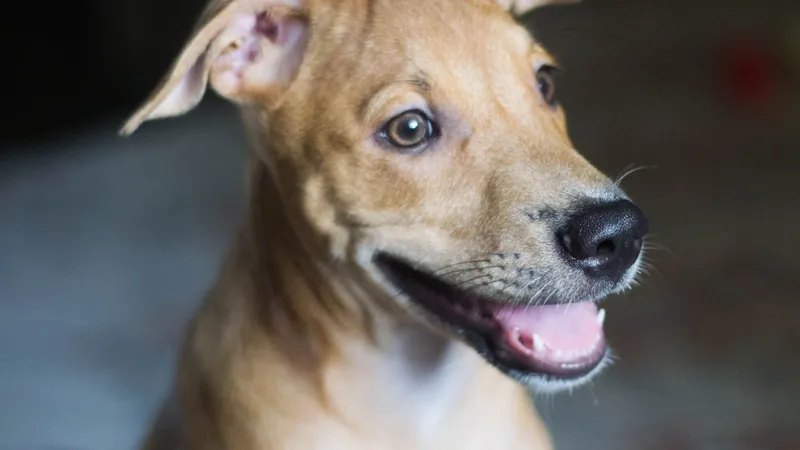
Are Mushrooms Bad for Dogs? A Complete Safety Guide
If your dog just ate a wild mushroom, do not wait to read this article. Call the ASPCA Animal Poison Control Center at (888) 426-4435 or the Pet Poison Helpline at (855) 764-7661 immediately, and contact your veterinarian or emergency animal hospital. Symptoms of the most dangerous mushroom poisonings can be delayed by hours, and waiting for symptoms can be fatal.
The short answer to whether mushrooms are bad for dogs depends entirely on which mushrooms. Wild mushrooms growing in your yard, at the park, or on hiking trails should be treated as potentially deadly, and any ingestion warrants immediate veterinary attention regardless of how the dog appears. Store-bought culinary mushrooms (white button, cremini, portobello, shiitake, oyster) are generally safe for dogs in small amounts when plain and cooked, but preparation matters enormously and several common cooking ingredients like garlic and onions are actually toxic to dogs even when the mushrooms are not. Here is the complete breakdown of when mushrooms are dangerous, when they are safe, and what to do in the situations that matter most.
If Your Dog Just Ate a Mushroom: Read This First
If you know or suspect your dog has eaten a wild mushroom, act immediately. Do not wait for symptoms. The most dangerous mushroom species produce toxins that cause delayed symptoms, sometimes 6 to 24 hours after ingestion, and by the time symptoms appear, treatment options are far more limited.
Immediate steps:
- Call for help. Contact one of the following:
- ASPCA Animal Poison Control Center: (888) 426-4435 (24/7, consultation fee applies)
- Pet Poison Helpline: (855) 764-7661 (24/7, consultation fee applies)
- Your regular veterinarian
- Nearest emergency animal hospital
- Collect a sample if safe to do so. If you can identify which mushroom was eaten, wrap a specimen in a damp paper towel and place it in a paper bag (not plastic, which can cause it to degrade). Take clear photos of the mushroom from multiple angles including the cap top, underside (gills), and stem.
- Note the time of ingestion. This information is critical for treatment decisions.
- Note any observable symptoms. Vomiting, diarrhea, lethargy, drooling, tremors, or any other changes.
- Do not induce vomiting unless directed by a veterinary professional. Some mushroom toxins can cause additional damage on the way back up, and hydrogen peroxide (a common at-home emetic) is not always the right response.
- Get to a veterinarian. Even if your dog appears fine, professional evaluation is warranted for any wild mushroom ingestion.
The rest of this article covers the context that helps prevent these situations in the first place.
Wild Mushrooms Are the Real Danger
Wild mushroom poisoning is one of the more common causes of severe canine intoxication in the United States, and the deadliest species are frighteningly common in urban and suburban yards. The most dangerous group are the amatoxin-containing species, which include several members of the Amanita genus.
The death cap (Amanita phalloides) is responsible for the majority of fatal mushroom poisonings in both humans and dogs. It grows commonly in yards, parks, and wooded areas, particularly near oak trees, and it looks similar enough to some edible species that even experienced foragers occasionally misidentify it. The amatoxins in death caps destroy liver tissue over several days.
Destroying angels (Amanita bisporigera and related species) contain the same amatoxins as death caps and are just as deadly. They are all-white mushrooms that closely resemble common lawn mushrooms.
Other toxic species include Galerina marginata (small brown lawn mushrooms containing amatoxins), Inocybe species (muscarine-containing mushrooms causing severe cholinergic symptoms), and Amanita muscaria (fly agaric, containing muscimol and ibotenic acid causing neurological symptoms).
The delayed symptom problem. The most dangerous aspect of amatoxin poisoning is the timeline. Initial symptoms (vomiting, diarrhea) typically appear 6 to 24 hours after ingestion. These symptoms often improve after 24 to 48 hours, which can create the false impression that the dog is recovering. This is followed by acute liver failure at 48 to 96 hours, which is often fatal. Owners who wait for symptoms before seeking care, or who assume the initial recovery means everything is fine, often lose their dogs to this pattern.
The practical implication is clear. Do not wait to see how bad it gets. Any known or suspected wild mushroom ingestion is a veterinary emergency, and early treatment (within the first few hours) dramatically improves outcomes.
Can Dogs Eat Store-Bought Culinary Mushrooms?
Common grocery store mushrooms are generally considered safe for dogs in small amounts, with important caveats about preparation. The species widely regarded as safe include:
- White button mushrooms (Agaricus bisporus)
- Cremini and portobello mushrooms (also Agaricus bisporus at different stages of maturity)
- Shiitake mushrooms (in small amounts)
- Oyster mushrooms (in small amounts)
- Enoki mushrooms (in small amounts)
The core requirements for safety:
Cooked, not raw. The same chitin that makes raw mushrooms hard for humans to digest is even harder on canine digestive systems. Cooked mushrooms are more digestible and less likely to cause bloating or gastrointestinal upset.
Plain preparation. This is the critical requirement most casual advice skips. Mushrooms cooked with common human seasonings often contain ingredients that are genuinely toxic to dogs even when the mushrooms themselves are not.
Small amounts. Even safe mushrooms can cause digestive upset in dogs when eaten in large quantities. A few small pieces mixed into their regular food as an occasional treat is fine. A full portobello cap as a meal replacement is not.
No mushroom stems for smaller dogs. The tougher stem tissue can present a choking hazard for very small breeds and is harder to digest.
For most dog owners, the honest answer is that mushrooms are not a necessary or particularly beneficial addition to a canine diet. Dogs are omnivores who thrive on properly formulated dog food, and while a small amount of plain cooked mushroom as an occasional treat is not harmful, mushrooms should not be a regular dietary component without veterinary guidance.
The Non-Mushroom Ingredients That Cause Most Kitchen Mushroom "Poisonings"
Here is a piece of important context that a lot of "mushrooms and dogs" articles miss. Many of the dog mushroom-related toxicity cases seen in veterinary emergencies are not actually from the mushrooms themselves. They are from other ingredients cooked with them.
Onions. Toxic to dogs in any form (raw, cooked, powdered). Cause hemolytic anemia through damage to red blood cells. Nearly every mushroom recipe humans make includes onions.
Garlic. Same mechanism as onions, though generally less toxic per unit weight. Still, garlic in mushroom preparations is a real concern.
Chives, leeks, shallots. All members of the Allium family with the same toxicity concerns.
Excess fat and butter. While not acutely toxic, mushrooms sautéed in large amounts of butter or oil can trigger pancreatitis in susceptible dogs, particularly breeds already prone to the condition (miniature schnauzers, some spaniels).
Wine and alcohol. Some mushroom preparations use wine or other alcohols. Even after cooking, residual alcohol can be problematic for dogs.
Salt. High-sodium mushroom preparations can contribute to sodium ion poisoning in extreme cases and are generally not appropriate for dogs.
Xylitol and grape/raisin contamination. If mushroom dishes include ingredients like grapes, raisins, or artificial sweeteners containing xylitol (increasingly common in modified recipes), these are seriously toxic to dogs.
The practical implication: even "safe" culinary mushrooms become dangerous when prepared using the seasonings most humans actually use. If you want to share mushrooms with your dog, cook a small plain portion separately with no oil, butter, or seasonings.
Symptoms of Mushroom Toxicity in Dogs
Symptoms vary depending on which mushroom was ingested. Different toxins produce different symptom patterns.
Gastrointestinal symptoms (most common with mildly toxic mushrooms and with wild mushrooms in the early hours after amatoxin ingestion):
- Vomiting
- Diarrhea (sometimes with blood)
- Excessive drooling
- Abdominal pain
- Loss of appetite
- Lethargy
Neurological symptoms (associated with Amanita muscaria, Inocybe, Clitocybe, and psilocybin-containing species):
- Disorientation
- Weakness or ataxia (loss of coordination)
- Tremors
- Seizures
- Hallucinations (vocalization, appearing to see things)
- Coma in severe cases
Signs of liver failure (associated with amatoxin poisoning, typically 48 to 96 hours after ingestion):
- Yellowing of the gums, eyes, or skin (jaundice)
- Severe lethargy or collapse
- Bruising or unusual bleeding
- Increased thirst and urination
- Confusion
If your dog shows any of these symptoms and there is any possibility of mushroom exposure, treat it as an emergency and get to a veterinarian immediately. Do not wait to see if symptoms improve. The false recovery pattern with amatoxin poisoning has killed many dogs whose owners thought they were recovering.
Functional Mushroom Supplements for Dogs
This is a small market here but it is real. Some functional mushroom supplements are marketed specifically for canine use, most commonly turkey tail products for immune support and joint health.
The research base here is limited but not absent. A small clinical trial conducted at the University of Pennsylvania School of Veterinary Medicine studied a turkey tail extract (PSP) in dogs with hemangiosarcoma, a common canine cancer, and reported modestly extended survival times compared to historical controls. This is preliminary research on a specific condition rather than blanket support for canine mushroom supplementation, but it represents legitimate veterinary interest in the therapeutic potential of these compounds.
If you are considering functional mushroom supplements for your dog, the honest guidance is:
- Consult a veterinarian first, particularly if your dog has existing health conditions or is on medications.
- Choose products specifically formulated for dogs rather than human supplements, which may include ingredients or dosing inappropriate for pets.
- Prioritize products with published testing and clear sourcing information.
- Do not use mushroom supplements as a substitute for veterinary care for any specific condition.
Canine mushroom supplementation is genuinely emerging as a real veterinary interest area, but it should be pursued alongside proper veterinary guidance rather than as a self-directed replacement for professional care.
How to Prevent Mushroom Exposure
Prevention is more effective than treatment. A few practical measures:
Regularly inspect your yard. Wild mushrooms can appear overnight, especially after rain in fall and spring. Walk your yard before letting your dog out, particularly in mushroom-favorable weather.
Remove any wild mushrooms you find. Even if you cannot identify them, remove them from areas your dog accesses. Wear gloves and place them in sealed bags for disposal.
Supervise dogs on walks. Off-leash time in parks and wooded areas is a common exposure route. Watch what your dog investigates.
Discourage foraging behavior. Dogs who habitually eat things they find outside are at higher risk. Basic "leave it" training reduces incidents.
Store household mushrooms out of reach. Trash cans containing discarded mushroom stems, moldy mushrooms, or mushroom dishes with toxic seasonings should be dog-proof.
Know your local mushroom seasons. In most of North America, spring and fall are peak wild mushroom seasons. Increase vigilance during these periods.
Conclusion
Wild mushrooms are one of the most serious poisoning risks dogs face, and any known or suspected ingestion warrants immediate veterinary attention. Do not wait for symptoms. Common store-bought culinary mushrooms are generally safe for dogs in small amounts when plain and cooked, but the seasonings humans typically use (onions, garlic, butter, wine) are often more dangerous than the mushrooms themselves. If you want to share the occasional mushroom with your dog, cook a plain portion separately with no seasonings and offer small amounts as a treat rather than a regular dietary component. And keep the ASPCA Animal Poison Control number (888-426-4435) somewhere accessible. Emergencies happen fast, and having that number ready when you need it can make the difference.
Want to learn about what mushrooms can do for you and not your dog? Check out our comprehensive guide!
Check out our Products!
Frequently Asked Questions
Contact the ASPCA Animal Poison Control Center at (888) 426-4435, the Pet Poison Helpline at (855) 764-7661, your veterinarian, or an emergency animal hospital immediately. Do not wait for symptoms to develop. If possible, collect a sample of the mushroom in a paper bag with a damp paper towel and take photos for identification. Note the time of ingestion. Do not induce vomiting unless directed by a veterinary professional.