Estudo da Nature encontra defesa crítica contra o fungo negro
By Louis on 06/05/2026
Um grande estudo internacional publicado na Nature descobriu que a albumina, a proteína mais abundante no sangue humano, é uma defesa contra a mucormicose
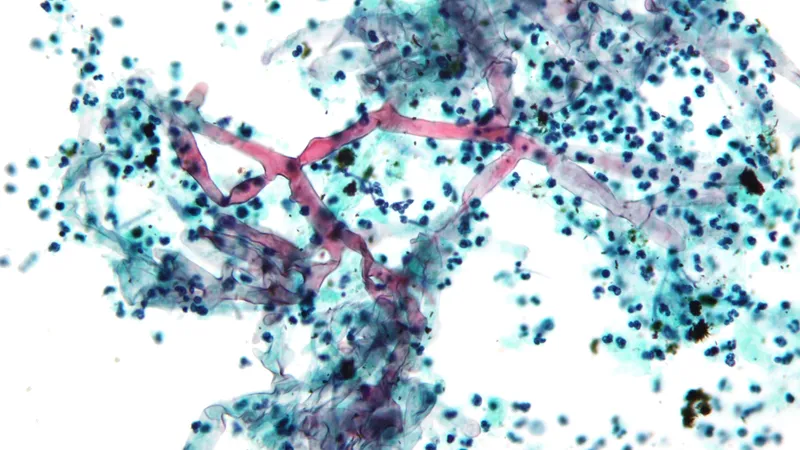
Seu sangue já tem uma defesa contra o fungo negro. Cientistas acabaram de descobrir como isso funciona.
A mucormicose é o tipo de infecção fúngica que faz as outras parecerem gerenciáveis. Rápida, frequentemente fatal e notoriamente resistente ao tratamento, é causada por fungos do grupo Mucorales e pode se espalhar pelo corpo tão rapidamente que mesmo um diagnóstico rápido não garante a sobrevivência. Em alguns grupos de pacientes, a taxa de mortalidade se aproxima da certeza em vez da probabilidade.
Um grande estudo internacional publicado na revista Nature agora identificou algo que estava à vista: a proteína mais comum no sangue humano é uma das principais defesas do corpo contra essa infecção, e níveis baixos dela são o maior preditor de desfechos graves e morte.
A proteína é a albumina. A pesquisa foi liderada por George Chamilos e sua equipe na Universidade de Creta e no Instituto de Biologia Molecular e Biotecnologia, com contribuições importantes do grupo do Professor Ashraf Ibrahim no Instituto Lundquist para Inovação Biomédica. As descobertas têm o potencial de mudar a forma como os clínicos fazem triagem e tratam a mucormicose em pacientes vulneráveis.
O que a Mucormicose Realmente É
O fungo negro, como a mucormicose ficou amplamente conhecida durante a pandemia de COVID-19, não é uma única doença, mas uma categoria de infecção causada pela ordem de fungos Mucorales. Esses organismos são encontrados amplamente no ambiente e causam pouco dano a pessoas com sistemas imunológicos saudáveis. Em pacientes com imunidade comprometida, diabetes descontrolado ou desnutrição significativa, no entanto, eles podem invadir os tecidos rapidamente e com consequências devastadoras.
A infecção geralmente começa nos seios nasais ou nos pulmões e pode progredir para o cérebro, as órbitas oculares e outros órgãos em um período de tempo muito curto. É fatal em aproximadamente metade de todos os casos, e substancialmente mais em aqueles com certas condições subjacentes. O tratamento atualmente envolve medicação antifúngica agressiva, muitas vezes combinada com a remoção cirúrgica do tecido infectado, e os desfechos dependem fortemente de quão rapidamente o diagnóstico é feito e se a condição subjacente do paciente pode ser controlada.
Os casos aumentaram dramaticamente na Índia durante a segunda onda de COVID-19 em 2021, particularmente entre pacientes diabéticos tratados com corticosteroides, produzindo uma emergência de saúde pública secundária que atraiu significativa atenção global para uma doença que anteriormente era em grande parte desconhecida fora dos círculos especializados em doenças infecciosas.
Lista de Patógenos Fúngicos Prioritários da OMS
Albumina Baixa: A Peça Que Falta na Imagem de Risco
A albumina é produzida pelo fígado e compõe mais da metade da proteína total no plasma sanguíneo humano. Seu papel principal é manter o equilíbrio de fluidos na corrente sanguínea, mas também transporta hormônios, ácidos graxos e outros compostos pelo corpo. Condições que esgotam a albumina, incluindo doenças hepáticas, desnutrição, doenças renais e doenças sistêmicas graves, são coletivamente descritas como hipoalbuminemia.
A equipe de pesquisa descobriu que pacientes diagnosticados com mucormicose apresentavam níveis de albumina significativamente mais baixos do que pacientes lidando com outros tipos de infecções fúngicas. Quando analisaram os desfechos em diversos grupos de pacientes em múltiplos continentes, a albumina baixa consistentemente emergiu como o fator mais fortemente associado a doenças graves e morte. Ela superou outros preditores de risco como um sinal de quem era mais propenso a deteriorar.
Essa descoberta reformula como os clínicos podem pensar sobre o risco de mucormicose. Em vez de esperar a infecção se estabelecer e depois tratar agressivamente, o biomarcador de albumina oferece um potencial sistema de alerta precoce. Pacientes com hipoalbuminemia que estão em categorias de alto risco, como aqueles com diabetes, cânceres sanguíneos ou tratamento imunossupressor, poderiam ser identificados antes que a infecção se instalasse e gerenciados de acordo.
Ibrahim descreveu a descoberta como uma descoberta notável com o potencial de realmente mudar a prática clínica em torno do cuidado da mucormicose.
Como a Albumina Bloqueia o Fungo
A observação clínica de que a albumina baixa correlaciona-se com piores desfechos seria útil por si só. O que torna este estudo particularmente significativo é que a equipe foi mais longe e descobriu o mecanismo por trás da correlação.
A albumina, por sua vez, não está apenas presente quando os fungos Mucorales falham em se estabelecer. Ela interrompe ativamente os processos biológicos dos quais o fungo depende para invadir o tecido humano. O mecanismo centra-se em ácidos graxos que estão ligados à proteína de albumina. Esses ácidos graxos interferem diretamente no metabolismo fúngico e bloqueiam a produção de proteínas que o fungo precisa para penetrar nos tecidos e impulsionar a progressão da doença.
Experimentos de laboratório confirmaram isso mecanicamente. Quando a albumina foi removida de amostras de sangue humano saudáveis, os fungos Mucorales se multiplicaram livremente. Quando a albumina estava presente em níveis normais, o crescimento fúngico foi substancialmente suprimido. Experimentos com animais reforçaram a descoberta: camundongos sem albumina eram altamente suscetíveis à infecção, enquanto restaurar a albumina a níveis normais proporcionou proteção significativa.
A pesquisa também identificou uma camada adicional na história. Amostras de sangue de pacientes com mucormicose mostraram taxas elevadas de oxidação de ácidos graxos, que parecem remover os ácidos graxos protetores da albumina e deixá-la menos eficaz como agente antifúngico. Isso pode ajudar a explicar por que certas condições subjacentes, particularmente aquelas que perturbam o metabolismo lipídico, criam um risco de infecção tão dramaticamente elevado.
O Instituto Lundquist pode ser encontrado aqui.
O que isso Abre para o Tratamento
As implicações práticas seguem em duas direções: prevenção e tratamento.
No lado da prevenção, a albumina enriquecida com ácidos graxos poderia potencialmente ser administrada a pacientes de alto risco como uma medida protetora antes que a infecção se estabeleça. Dada a velocidade com que a mucormicose progride uma vez que se instala, uma estratégia preventiva é significativamente mais atraente do que depender inteiramente de um diagnóstico precoce e intervenção agressiva após o fato.
Do lado do tratamento, a identificação do mecanismo da albumina dá aos pesquisadores uma imagem mais clara dos fatores de virulência específicos nos fungos Mucorales que podem ser alvo. A equipe de Ibrahim no The Lundquist Institute está atualmente desenvolvendo imunoterapias voltadas para esses alvos, e o Nature o estudo levanta a possibilidade de combinar a terapia baseada em albumina com essas abordagens imunológicas para produzir uma estratégia de tratamento mais completa.
Isso é importante porque os medicamentos antifúngicos atuais para mucormicose são limitados e muitas vezes severos. A anfotericina B, o tratamento mais eficaz disponível, apresenta toxicidade significativa. O desenvolvimento de abordagens complementares que funcionam através dos próprios mecanismos de defesa do corpo, em vez de depender inteiramente da intervenção farmacêutica, representa uma direção significativamente diferente.
Suplementos e recursos de fungos funcionais da ShroomSpy
O Padrão Mais Amplo na Pesquisa de Infecções Fúngicas
Este estudo se junta à pesquisa sobre butiro lactona A da Universidade McMaster, ao predador fúngico marinho descoberto pela Universidade Nacional de Yokohama, e a um corpo crescente de trabalho apontando para a mesma conclusão: a compreensão científica de como os fungos interagem com a biologia humana tem sido substancialmente incompleta, e fechar essa lacuna está produzindo avanços médicos genuínos.
Para a comunidade de micologia, a descoberta da albumina é um lembrete útil de que o reino fúngico opera através de mecanismos muito mais sofisticados do que a maioria das pessoas aprecia. A mesma complexidade biológica que torna os cogumelos nutricional e medicinalmente interessantes também impulsiona a capacidade patogênica dos Mucorales e do Cryptococcus. Compreender um lado dessa complexidade alimenta a compreensão do outro.
Cogumelos funcionais como cauda de peru, reishi, e cabeleira de leão são o objeto de pesquisas sérias em andamento, em parte porque interagem com a função imunológica de maneiras que ainda estão sendo caracterizadas. O estudo da albumina é um lembrete de como esse panorama imunológico realmente funciona e quanto ainda precisa ser mapeado.
Pronto para levar sua jornada de micologia para o próximo nível? Navegue por nossa gama completa de produtos de fungos e encontre tudo o que você precisa para cultivar, forragear e prosperar.
FAQ
O que é mucormicose?
A mucormicose, às vezes chamada de fungo negro, é uma infecção grave e frequentemente fatal causada por fungos Mucorales. Ela afeta principalmente pessoas com sistemas imunológicos enfraquecidos, diabetes ou desnutrição. A infecção pode se espalhar rapidamente pelos seios da face, pulmões e outros órgãos, e apresenta uma taxa de mortalidade de aproximadamente 50 por cento no geral, com taxas significativamente mais altas em certos grupos de pacientes.
O que é albumina e por que isso é importante para infecções fúngicas?
A albumina é a proteína mais abundante no plasma sanguíneo humano, produzida pelo fígado. Um grande estudo internacional publicado na revista Nature em março de 2026 descobriu que baixos níveis de albumina são o melhor preditor de desfechos severos e morte em pacientes com mucormicose, e que a albumina suprime ativamente o crescimento fúngico de Mucorales através de ácidos graxos ligados à proteína.
O que é hipoalbuminemia?
A hipoalbuminemia é o termo clínico para níveis anormalmente baixos de albumina no sangue. Está associada a doenças hepáticas, desnutrição, doenças renais e doenças sistêmicas graves. A pesquisa identificou a hipoalbuminemia como um biomarcador chave para o risco de mucormicose, que poderia permitir a identificação mais precoce de pacientes vulneráveis.
A albumina poderia ser usada como tratamento para mucormicose?
A pesquisa sugere que a albumina enriquecida com ácidos graxos poderia ser potencialmente usada para proteger pacientes de alto risco antes que a infecção se estabeleça. Ela também pode ser combinada com imunoterapias direcionadas a fatores de virulência de Mucorales, que estão atualmente em desenvolvimento no The Lundquist Institute. Ambas as abordagens estão na fase de pesquisa e ainda não estão disponíveis como tratamentos clínicos.
Quem está mais em risco de mucormicose?
Pessoas com diabetes mal controlado, aquelas em tratamento imunossupressor, indivíduos com cânceres sanguíneos e pacientes desnutridos estão em maior risco. A infecção aumentou na Índia durante a pandemia de COVID-19, particularmente entre pacientes diabéticos tratados com corticosteroides.
Confira nossos Produtos!
Perguntas frequentes
A mucormicose é uma infecção grave e frequentemente fatal causada por fungos Mucorales, que são comuns no ambiente, mas prejudiciais principalmente para pessoas com imunidade comprometida, diabetes descontrolado ou desnutrição significativa. A infecção geralmente começa nos seios nasais ou pulmões e pode se espalhar rapidamente para o cérebro, órbitas oculares e outros órgãos. É fatal em cerca de metade de todos os casos, com taxas substancialmente mais altas em certos grupos de pacientes.