Nova molécula pode combater a resistência a medicamentos antifúngicos
By Louis on 24/04/2026
Cientistas da McMaster passaram 11 anos em uma molécula que torna os fungos resistentes a medicamentos vulneráveis novamente. Aqui está o que a descoberta deles significa para a medicina.
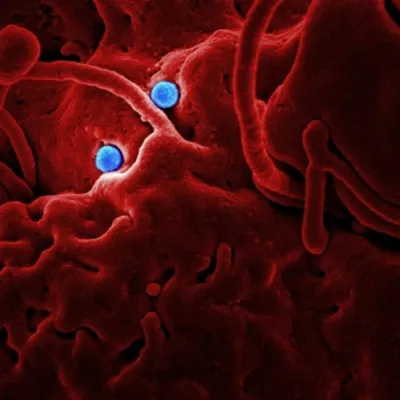
Uma Molécula Esquecida Acabou de Colocar Fungos Mortais Resistentes a Medicamentos em Situação Difícil
Infecções fúngicas matam mais de um milhão de pessoas a cada ano. As opções de tratamento disponíveis para os médicos mal mudaram nas últimas décadas. E os fungos estão se tornando melhores em resistir aos medicamentos que temos. Essa é a situação contra a qual os cientistas da Universidade McMaster têm trabalhado nos últimos onze anos, e a molécula que eles descobriram pode mudar significativamente a trajetória da medicina antifúngica.
A molécula é chamada de butyrolactol A. Os pesquisadores descobriram que ela pode enfraquecer dramaticamente fungos perigosos ao desmantelar um sistema de defesa interno chave, permitindo que os medicamentos antifúngicos existentes façam o que não conseguiam fazer sozinhos. As descobertas foram publicadas na revista Cell em janeiro de 2026 e representam um dos desenvolvimentos mais significativos na pesquisa de tratamento de fungos nos últimos anos.
Por que a Resistência a Medicamentos Antifúngicos é um Problema Tão Persistente
Para entender por que essa descoberta é importante, você precisa compreender quão limitada a caixa de ferramentas existente realmente é. Os médicos atualmente têm acesso a apenas três classes principais de medicamentos antifúngicos. Três. Para infecções que matam a uma taxa comparável à da tuberculose.
A classe mais poderosa, a anfotericina, carrega um apelido bem merecido nos círculos clínicos: "amphoterrível." O problema é fundamental. As células fúngicas e as células humanas são biologicamente semelhantes o suficiente para que os medicamentos capazes de matar fungos tendam a causar sérios danos ao paciente também. O professor Gerry Wright, que lidera o grupo de pesquisa no Departamento de Bioquímica e Ciências Biomédicas da McMaster, apontou isso como a razão central pela qual o desenvolvimento antifúngico estagnou por tanto tempo.
As outras duas classes, azóis e equinocandinas, são alternativas muito mais fracas. Os azóis retardam o crescimento fúngico, mas não matam o organismo. As equinocandinas, que uma vez mostraram promessa, foram tornadas em grande parte ineficazes contra vários patógenos fúngicos principais devido à resistência generalizada.
Os fungos mais afetados por essa lacuna de tratamento são ameaças sérias. O Cryptococcus neoformans pode desencadear uma doença grave semelhante à pneumonia e é particularmente perigoso para pacientes imunocomprometidos, incluindo aqueles em tratamento contra o câncer ou vivendo com HIV. Candida auris e Aspergillus fumigatus apresentam perfis de resistência semelhantes. Todos os três foram classificados como patógenos prioritários pela Organização Mundial da Saúde.
Lista de Patógenos Fúngicos Prioritários da OMS - who.int
A Estratégia Adjuvante: Uma Maneira Diferente de Lutar de Volta
Em vez de tentar desenvolver um novo medicamento que mate fungos diretamente, o que continua enfrentando o problema da semelhança com células humanas, a equipe de Wright seguiu uma abordagem diferente. Em vez de construir uma arma melhor, eles procuraram algo que removesse a armadura do inimigo.
O termo científico para essa abordagem é terapia adjuvante. A ideia é encontrar uma molécula auxiliar que não mate o patógeno em si, mas torne o fungo tão vulnerável que os medicamentos existentes possam concluir o trabalho. Para encontrar um candidato, a equipe examinou milhares de compostos da extensa biblioteca química da McMaster.
O que surgiu foi o butyrolactol A: uma molécula produzida naturalmente por bactérias do gênero Streptomyces, documentada na literatura científica desde o início dos anos 1990, e quase totalmente ignorada desde então. Quando apareceu nos resultados da triagem, o instinto inicial de Wright foi descartá-la. Ela parecia estruturalmente semelhante à anfotericina, era um composto conhecido e, à primeira vista, parecia um beco sem saída. Ele quase seguiu em frente.
Como o Butyrolactol A Funciona na Prática
O projeto continuou por causa da pós-doutoranda Xuefei Chen, que insistiu em investigar apesar do ceticismo inicial. O raciocínio de Chen era simples: se a molécula tivesse até mesmo uma pequena chance de reviver uma classe inteira de medicamentos antifúngicos que se tornaram clinicamente inúteis, valeria a pena seguir em frente.
Anos do que Wright descreveu como um trabalho de detetive meticuloso se seguiram. O que Chen eventualmente descobriu foi que o butyrolactol A bloqueia um complexo proteico específico, uma flipase, que é crítico para a sobrevivência do Cryptococcus. Uma flipase mantém a integridade estrutural da membrana celular fúngica. Quando é desativada, a membrana se torna desestabilizada e o fungo perde a proteção que havia construído contra medicamentos como as equinocandinas. O patógeno que anteriormente ignorava o tratamento torna-se totalmente exposto.
Os testes então confirmaram um efeito semelhante contra a Candida auris, um dos patógenos mais resistentes ao tratamento na lista prioritária da OMS. Esse resultado é significativo porque um mecanismo que funciona em vários patógenos prioritários tem um potencial clínico muito mais amplo do que um direcionado a uma única espécie.
Ciências da Saúde da Universidade McMaster - healthsci.mcmaster.ca
Onze Anos da Primeira Triagem à Publicação
A primeira triagem de compostos que sinalizou o butyrolactol A ocorreu em 2014. A publicação na Cell ocorreu em janeiro de 2026. Isso representa mais de onze anos desde a identificação inicial até a confirmação revisada por pares de um candidato a medicamento viável, e cobre um período em que a equipe quase abandonou o projeto completamente.
Os cronogramas de descoberta de medicamentos são longos por natureza, mas a história do butyrolactol A é uma ilustração útil de por que a persistência na ciência básica é importante. A molécula ficou na literatura científica por três décadas sem atrair atenção séria. Foi necessário um programa de triagem sistemática, um pesquisador disposto a seguir uma pista pouco promissora e anos de investigação detalhada para estabelecer o que ela realmente faz e por que isso é importante.
A publicação em Cell marca um ponto de partida em vez de uma conclusão. O butiro lactol A agora deve passar pelo desenvolvimento pré-clínico e clínico antes de se tornar uma opção de tratamento. Esse processo leva anos. Mas o laboratório de Wright identificou não apenas um candidato a medicamento, mas um novo alvo biológico inteiro, o mecanismo flippase, que outros novos medicamentos também podem ser desenvolvidos para atacar. Isso é um avanço estrutural significativo, não apenas uma vitória de uma única molécula.
Vale a pena notar que este é o segundo composto antifúngico e o terceiro novo antimicrobiano do laboratório de Wright em menos de um ano. O pipeline que parecia vazio há pouco tempo está começando a se encher.
Confira os suplementos de cogumelos funcionais e produtos de saúde imunológica da ShroomSpy
O Que Isso Significa Além do Laboratório
Para qualquer pessoa na comunidade de micologia, esta pesquisa reforça algo que os entusiastas sérios de fungos já entendem: o reino fúngico é vasto, quimicamente complexo e ainda produz surpresas. A mesma diversidade biológica que torna o Cryptococcus neoformans um patógeno perigoso também produz bactérias do gênero Streptomyces capazes de fazer a molécula que o derrota.
A relação entre fungos prejudiciais e benéficos, entre organismos que ameaçam a saúde humana e aqueles que podem protegê-la, está no cerne do porquê a pesquisa sobre cogumelos funcionais atraiu tanta atenção científica séria nos últimos anos.cabelos de leão, cauda de peru, e reishi foram todos estudados por suas interações com a biologia humana precisamente porque os fungos demonstraram que podem fazer coisas que não havíamos antecipado.
O butiro lactol A se originou em uma bactéria em vez de um cogumelo, mas o ponto mais amplo permanece. A complexidade química da natureza ainda está gerando respostas para problemas que pensávamos serem intratáveis.
Pronto para levar sua jornada de micologia para o próximo nível? Navegue por nossa gama completa de produtos de cogumelos em ShroomSpy.com/mushrooms/products e encontre tudo o que você precisa para cultivar, forragear e prosperar.
FAQ
O que é butiro lactol A?
Butiro lactol A é uma molécula naturalmente ocorrente produzida por bactérias do gênero Streptomyces. Identificado pela primeira vez no início dos anos 1990, foi amplamente negligenciado até que pesquisadores da Universidade McMaster descobriram que ele pode desativar um mecanismo de defesa chave em fungos resistentes a medicamentos, tornando-os vulneráveis aos tratamentos antifúngicos existentes.
Como o butiro lactol A combate a resistência a medicamentos antifúngicos?
Ele atua como um adjuvante, o que significa que não mata fungos por si só. Em vez disso, ele visa um complexo proteico chamado flippase que é essencial para a manutenção da membrana celular fúngica. Disruptar esse sistema deixa o patógeno exposto a medicamentos antifúngicos aos quais ele havia desenvolvido resistência anteriormente, particularmente echinocandinas.
Quais fungos o butiro lactol A ataca?
A pesquisa em laboratório demonstrou eficácia contra Cryptococcus neoformans e Candida auris, ambos designados como patógenos prioritários pela Organização Mundial da Saúde. A equipe de pesquisa acredita que o mecanismo pode ter aplicações mais amplas em outras espécies de fungos resistentes.
Por que os tratamentos antifúngicos são tão limitados?
As células fúngicas compartilham semelhanças biológicas significativas com as células humanas, o que torna inerentemente difícil desenvolver medicamentos que matem fungos sem também causar danos ao paciente. Atualmente, existem apenas três classes principais de medicamentos antifúngicos, e a resistência a duas delas é generalizada entre os patógenos fúngicos mais perigosos.
O butirolactol A já está disponível como tratamento?
Não. A pesquisa foi publicada na revista Cell em janeiro de 2026 e representa uma descoberta pré-clínica. A molécula ainda precisa passar pelo desenvolvimento clínico e pela aprovação regulatória antes de poder ser usada como opção de tratamento para os pacientes.
Fonte: Universidade McMaster. "Após 11 anos de pesquisa, cientistas desbloqueiam uma nova fraqueza em fungos mortais." ScienceDaily. ScienceDaily, 22 de janeiro de 2026. <www.sciencedaily.com/releases/2026/01/260121034134.htm>
Confira nossos produtos!
Perguntas frequentes
A butiro lactona A é uma molécula produzida naturalmente por bactérias do gênero Streptomyces. Foi documentada na literatura científica desde o início dos anos 1990, mas amplamente ignorada até que pesquisadores da Universidade McMaster descobriram que pode enfraquecer dramaticamente fungos resistentes a medicamentos perigosos, desmantelando um sistema de defesa interno chave, permitindo que os medicamentos antifúngicos existentes funcionem.
Referências
- Chen, X., Duan, D. H., Hoy, M. J., Heitman, J., Li, H., & Wright, G. D. (2026). Butyrolactol A aumenta a eficácia da caspofungina por meio da inibição da flippase em fungos resistentes a medicamentos. .