Os 10 Melhores Livros sobre Cogumelos para Iniciantes (2026)
By Louis on 21/01/2026
Mergulhe no mundo dos Cogumelos com uma lista de livros para começar a aprender os detalhes da Micologia!
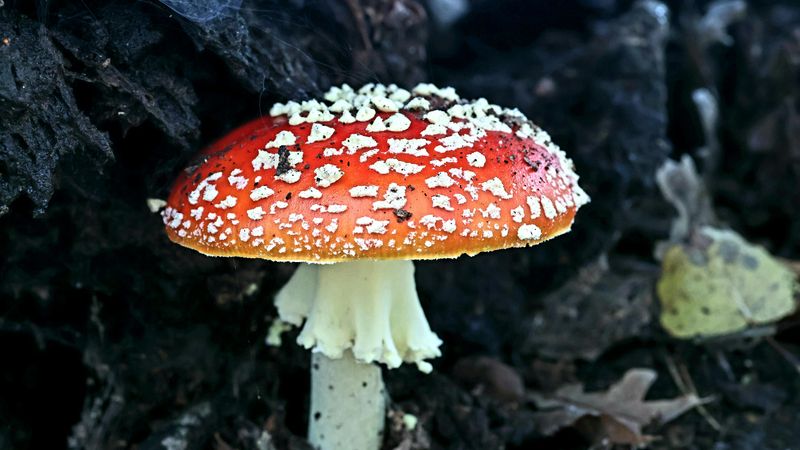
Se você está pronto para se aventurar no cativante mundo dos fungos, temos alguns livros para você! Seja você atraído por cogumelos culinários, entender espécies de cogumelos, ou explorar cogumelos medicinais' melhoria cognitiva, esta lista vai te ajudar a começar com o pé direito.
Passamos um tempo coletando e selecionando o melhor do melhor, abordando todas as áreas-chave da micologia (que é o estudo dos fungos!) com esta lista: taxonomia, química, história e cultura, cultivo e até culinária. Cada um oferece perspectivas únicas e sabedoria prática.
1. Cogumelos Desmistificados de David Arora
Se há uma "Bíblia dos guias de cogumelos", este é o livro. Publicado pela primeira vez em 1979, 'Hongos Desmitificados' é considerado o padrão ouro até hoje. Ele cobre mais de 2.000 espécies de cogumelos com descrições detalhadas e mais de impressionantes 950 fotografias. Este livro é repleto de detalhes e personalidade.
O livro ainda inclui uma lista de verificação para iniciantes com 70 dos cogumelos mais comuns para ajudar você a começar sua jornada sem se sobrecarregar. Há até capítulos sobre nomes científicos em latim e grego, cogumelos culinários, toxinas, habitats e classificação.
É ótimo para qualquer pessoa séria sobre identificação de cogumelos, forrageiros que buscam uma referência abrangente e leitores que apreciam uma prosa envolvente ao lado da ciência.
2. O Quinto Reino de Bryce Kendrick
O 'Quinto Reino' é um recurso indispensável para qualquer iniciante que deseja passar da identificação simples para entender os fungos em um nível mais profundo. O 'Quinto Reino' é um livro didático que permite aos leitores mergulhar fundo na Micologia. Em muitas das melhores universidades do mundo, este livro é a base acadêmica para aulas de Micologia. Você sempre pode ir mais fundo, mas este é o ponto de partida para a verdadeira ciência dos fungos.
O 'Quinto Reino' foi escrito pelo renomado micólogo mundial Bryce Kendrick.
Ele começa com o básico: como os fungos diferem das plantas e animais, a distinção entre fungos verdadeiros e pseudofungos, e o sistema de classificação moderno. Mais tarde, ele até aborda reinos, nomenclatura, biodiversidade, reprodução, caminhos evolutivos e mais.
Se você quer construir uma verdadeira literacia científica em Micologia, este é o livro para você.
3. Cogumelos, Venenos e Panaceias de Denis R. Benjamin
Este livro é absolutamente crítico para qualquer um que planeja forragear, cozinhar ou consumir cogumelos silvestres. O livro foi escrito por Denis Benjamin, um especialista médico que combina rigor científico com uma narrativa envolvente. 'Hongos, venenos e panaceias' abrange todo o espectro de interações entre humanos e cogumelos, variando do delicioso ao mortal.
O livro começa com uma história fascinante e atitudes culturais em relação aos cogumelos ao longo das civilizações, depois cobre sistematicamente as espécies comestíveis com informações nutricionais, cogumelos medicinais com benefícios à saúde documentados e uma seção abrangente sobre espécies venenosas com descrições detalhadas de toxinas. Crucialmente, Benjamin inclui inserções fotográficas em cores para identificação durante emergências médicas, capítulos sobre diagnóstico e tratamento de envenenamento por cogumelos, e diretrizes práticas para forrageiros.
Se você está interessado em cogumelos culinários, aplicações medicinais, ou simplesmente quer se manter seguro enquanto forrageia, este livro fornece informações autoritativas e acessíveis que podem literalmente salvar sua vida. Se você quer segurança e precisão científica ao forragear, este livro é para você!
4. Shroom: Uma História Cultural do Cogumelo Mágico por Andy Letcher
O 'Shroom' se destaca porque desconstrói sistematicamente as concepções populares sobre cogumelos psicodélicos enquanto revela uma história verdadeira muito mais interessante. Letcher usa seu background em teologia para trazer uma perspectiva interdisciplinar única à história dos cogumelos mágicos, examinando como os cogumelos mágicos realmente se tornaram significativos na cultura ocidental.
Letcher fornece uma análise completa das narrativas em torno do uso histórico de cogumelos e apresenta uma nova narrativa sobre o desenvolvimento do uso de cogumelos mágicos na cultura ocidental. A verdadeira história gira em torno da década de 1950, quando o etnobotânico Gordon Wasson viajou ao México, encontrou o uso xamânico indígena de cogumelos e então publicou seu artigo inovador na revista Life em 1957. Essa perspectiva histórica é crucial para entender não o que são os cogumelos, mas o que eles significam para a cultura contemporânea.
O livro aborda o assunto sensível da psilocibina com rigor intelectual, contextualizando a pesquisa psicodélica moderna, incluindo aplicações clínicas promissoras para depressão e PTSD, dentro de uma perspectiva histórica adequada.
Este livro é fantástico para qualquer pessoa interessada na história cultural dos cogumelos e da psilocibina na cultura ocidental.
5. Micofilia: Revelações do Estranho Mundo dos Cogumelos por Eugenia Bone
Eugenia Bone é uma escritora de comida renomada que se tornou presidente da Sociedade Micológica de Nova York. Ela traz sua perspectiva única como alguém que entrou na micologia através de uma paixão por comer cogumelos para seu livro 'Micofilia' que explora os fungos como iguaria exótica, cura medicinal, veneno e alucinógeno. Pergunta: o que faz os cogumelos importarem para os humanos?
O livro começa com forragens e festivais de cogumelos, capturando o aspecto comunitário da coleta de cogumelos. Em seguida, passa por capítulos científicos sobre biologia fúngica e mutualismo, explora o mundo lucrativo e complexo do cultivo de trufas, examina a etnomicologia e o uso indígena de cogumelos, e questiona as alegações comuns sobre cogumelos medicinais com um saudável ceticismo.
O que torna este livro especial é seu reconhecimento de que entender os fungos importa não apenas cientificamente, mas culturalmente. Comida, tradição, comunidade e paixão pessoal desempenham papéis nas relações humanas com os cogumelos.
6. Um Guia de Palavras sobre Cogumelos: Etimologia, Pronúncia e Significados de Mais de 1.500 Palavras por Robert Hallock
Uma das maiores barreiras para aprender micologia é a confusa variedade de terminologia científica. Nomes gregos e latinos de cogumelos, nomes de gêneros e vocabulário especializado podem fazer com que livros amigáveis para iniciantes pareçam impenetráveis. O 'Guia de palavras sobre hongos' aborda isso diretamente definindo mais de 1.500 palavras e elementos relacionados a cogumelos.
Cada entrada inclui a etimologia, guia de pronúncia e significados, com uma espécie específica de cogumelo que demonstra como cada elemento de palavra é usado. Em vez de ler como um dicionário seco, torna-se um guia interativo para entender como os nomes dos cogumelos codificam informações sobre aparência, habitat e características. Uma vez que você entende as palavras das quais a micologia depende, de repente os nomes científicos se tornam decifráveis e úteis para você.
Embora este não seja um livro para ler de capa a capa inicialmente, tê-lo como referência transforma a experiência de usar guias de campo e textos de micologia.
7. Vida Entrelaçada: Como os Fungos Fazem Nossos Mundos, Mudam Nossas Mentes e Moldam Nossos Futuros por Merlin Sheldrake
O 'Merlin Sheldrake's 'Vida entrelaçada' é uma obra-prima da escrita científica que muda fundamentalmente a forma como você percebe o reino dos fungos. Em vez de tratar os fungos como sujeitos de estudo separados, Sheldrake examina os fungos como organismos com sua própria lógica, inteligência e maneiras de ser.
A revelação central do livro é a rede micelial, a "Wood Wide Web." As Wood Wide Webs são vastas redes subterrâneas de fungos que conectam árvores e plantas por milhas. Sheldrake descreve pesquisas que mostram que cerca de 90% das plantas dependem de fungos micorrízicos para a troca de nutrientes, e que essas relações existem há 400 milhões de anos. Ele explora como os fungos quebram problemas complexos e conecta isso à consciência e inteligência na vida não animal.
O livro também aborda cogumelos psicodélicos com neurociência sofisticada, examinando os efeitos da psilocibina na depressão, ansiedade e dependência em relação tanto à pesquisa tradicional quanto à de ponta. O estilo de escrita de Sheldrake combina ciência rigorosa com filosofia e reflexão pessoal, tornando material denso genuinamente envolvente. Este livro pode realmente mudar sua perspectiva.
8. Correr com micélio: Como os Cogumelos Podem Ajudar a Salvar o Mundo por Paul Stamets
Paul Stamets é talvez o micologista mais famoso do mundo por uma razão. Em 'Correr com micelio' ele articula uma tese visionária: cultivar cogumelos pode ser uma das coisas mais importantes que os humanos fazem para a restauração ambiental.
O livro introduz "micoresturação", que Stamets divide em quatro componentes: micorremediação (usando micélio fúngico para decompor resíduos tóxicos), micofiltração (usando fungos para limpar água e reduzir patógenos do escoamento agrícola), micopesticidas (usando fungos entomopatogênicos para controlar pragas de insetos sem toxinas químicas) e micoforesta (usando cogumelos para melhorar a saúde de florestas e jardins).
Stamets fornece exemplos específicos: certos fungos podem decompor produtos de petróleo, outros podem neutralizar produtos químicos agrícolas, e cogumelos cultivados ao lado de vegetais podem aumentar os rendimentos em 4-6 vezes. O livro inclui orientações práticas sobre métodos de inoculação, cultura em troncos e tocos, seleção de espécies para diferentes ambientes e como o cultivo de cogumelos pode ser reimaginado como cura ecológica.
9. Cultivando Cogumelos Gourmet e Medicinais por Paul Stamets
Outro clássico de Paul Stamets é 'Cultivando cogumelos gourmet e medicinais' que é leitura essencial para qualquer aspirante a cultivador de cogumelos.
O livro inclui parâmetros de crescimento precisos para 31 espécies de cogumelos, cobrindo tudo, desde cogumelos ostra básicos até variedades mais exóticas como shiitake, reishi, e cabeleira de leão. Os capítulos abordam formulação de substrato, métodos de inoculação, técnicas de cultura líquida, vários sistemas de cultivo, estratégias de revestimento e guias abrangentes de resolução de problemas. Stamets combina o conhecimento tradicional de séculos de cultivo de cogumelos com a compreensão científica moderna e suas próprias inovações.
O livro pode funcionar para cultivadores domésticos ou comerciais, uma vez que muitas técnicas podem ser reduzidas para uso como hobby ou expandidas para operações comerciais. Além disso, Stamets fornece receitas e discute as propriedades nutricionais e medicinais das espécies cultivadas.
10. Guia de Campo da Sociedade Nacional Audubon para Cogumelos da América do Norte
A Sociedade Nacional Audubon é sinônimo de guias de natureza de qualidade e este não é diferente. Neste guia de campo, eles fornecem um dos recursos mais práticos para a identificação de cogumelos na América do Norte. Este guia extensivamente ilustrado apresenta mais de 700 cogumelos fotografados em habitats naturais e organizados por cor e forma para identificação visual intuitiva.
Cada entrada de espécie inclui descrições físicas, informações sobre comestibilidade, estação, habitat, distribuição, semelhantes, impressão de esporos características e folclore. A edição mais recente, atualizada pela primeira vez em décadas, reflete como as mudanças climáticas estão afetando as distribuições de cogumelos e inclui informações sobre o status de conservação. Com quase 2.900 fotografias de alta qualidade tiradas por mais de 965 fotógrafos, a identificação visual se torna mais confiável do que apenas com texto.
O livro encontra um excelente equilíbrio entre portabilidade e abrangência, pois é gerenciável para carregar em campo, mas contém muito mais espécies do que guias de bolso menores. A organização por características visuais significa que você pode começar a identificar pelo que vê antes de precisar entender a terminologia técnica. Se você deseja forragear na América do Norte, este livro é quase uma exigência a ser possuído.
O Guía de Campo de la Sociedad Nacional Audubon está disponível para compra na Amazon e em muitos outros sites de comércio eletrônico.
11. ShroomSpy.com Recursos
Claro que sempre há os recursos do ShroomSpy que você pode usar também. Embora não possamos explicar tudo relacionado a cogumelos em nossas páginas agora, o ShroomSpy tem orgulho de hospedar numerosos recursos valiosos para a comunidade de entusiastas de cogumelos. Temos uma ótima série de guías de cultivo que a equipe do site e os usuários criaram, ferramentas projetadas para ajudá-lo a descobrir o sustrato adequado ou configuraciones de grano assim como que tipo de dosis você deve escolher se estiver a fim de experimentar.
Não sabe o que escolher? Experimente nosso novo quiz 'Comienza Tu Viaje' e veja o que aparece para você!
Aplique o que você aprendeu — compre suplementos de cogumelos selecionados
Perguntas frequentes
O artigo aponta para 'Mushrooms Demystified' de David Arora, publicado pela primeira vez em 1979 e considerado o padrão ouro para guias de cogumelos. Ele cobre mais de 2.000 espécies de cogumelos com descrições detalhadas e mais de 950 fotografias, e inclui uma lista de verificação para iniciantes com 70 dos cogumelos mais comuns para ajudar você a começar sem se sentir sobrecarregado. Para forragear especificamente na América do Norte, o artigo recomenda o Guia de Campo da National Audubon Society, que apresenta mais de 700 cogumelos organizados por cor e forma.