5 Easy Ways to Cook King Oyster Mushrooms Like a Chef
By Louis on 16/06/2026
Learn how to cook king oyster mushrooms 5 ways, from seared scallops to grilled steaks. Simple techniques and tips for meaty, golden results every time.
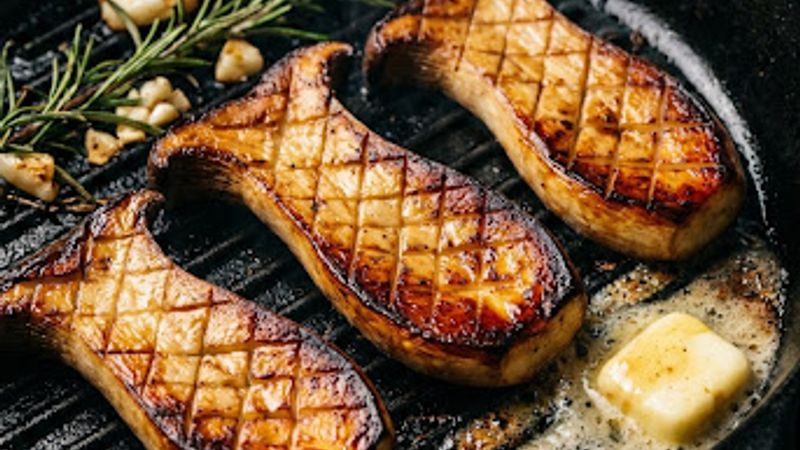
5 Ways to Cook King Oyster Mushrooms Like a Chef
The thick, ivory stem most people overlook is the best-kept secret in the produce aisle. Learning how to cook king oyster mushrooms really means learning to treat that dense, meaty stalk like a cut of meat, because it behaves like one. Slice it into rounds and it sears into golden "scallops." Split it lengthwise and it becomes a steak with real bite. King oyster, also called king trumpet, holds its shape under high heat better than almost any other mushroom, which makes it the easiest gourmet variety to cook well and the hardest to ruin. Below are five methods that show off that texture, from a quick weeknight sear to a smoky grilled skewer worth firing up the coals for.
King Oyster Methods at a Glance
Method | Best cut | Speed | Great for |
|---|---|---|---|
Seared scallops | Stem in 1-inch rounds, scored | Fast | A quick, fancy-looking main |
Steaks | Split lengthwise, scored | Medium | A meaty plant-forward centerpiece |
Grilled skewers | Thick chunks or halves | Medium | Cookouts and char |
Roasted fries | Cut into even batons | Medium | Snacking and sides |
Pulled or stir-fried | Hand-shredded strands | Fast | Tacos, sandwiches, bowls |
What Makes King Oyster Different (And Why the Cut Matters)
King oyster is the bodybuilder of the gourmet mushroom world. It is denser, drier, and far sturdier than soft varieties like oyster or lion's mane, with a thick stem and a small cap. That stem is the prize. Where most mushrooms collapse and weep water in a hot pan, king oyster stays firm, browns deeply, and keeps a satisfying chew.
The way you cut it decides what it becomes. Crosswise rounds turn into scallops, lengthwise slabs become steaks, and hand-torn strands mimic pulled pork. Scoring a shallow crosshatch into the cut faces helps heat and seasoning sink in and gives you better caramelization. You also skip the aggressive dry sauté that watery mushrooms demand. King oyster holds less water, so it browns readily as long as you give it a hot pan and enough room. Crowd it and it steams; space it out and it sears. It also keeps longer than most gourmet mushrooms, so it is forgiving if cooking day slips a few days.
1. Seared King Oyster "Scallops"
This is the recipe that makes guests do a double take. Slice the stems crosswise into rounds about an inch thick, score a shallow crosshatch on both flat faces, and sear in a hot pan with butter or oil until deep golden on each side. Baste with a little garlic butter as they finish. The scored surface caramelizes into something that looks and bites like a seared sea scallop: sweet, tender, and a touch chewy.
A squeeze of lemon and a sprinkle of flaky salt is all the finish they need. Serve them over risotto, alongside pasta, or on their own as an appetizer. Because king oyster holds its shape, you can give it an aggressive sear without the pieces falling apart, which is exactly what makes this the showpiece method. Use the wide bottom of the stem for the biggest, most scallop-like rounds.
2. King Oyster Steaks
For a heartier plate, split the mushroom lengthwise into thick slabs instead of rounds. Score the surface, then sear it hard in a cast iron pan, pressing gently for full contact, or roast it at high heat. A marinade of soy sauce, garlic, and a little balsamic soaks in beautifully and builds a savory, umami-rich crust. Finish with a knob of butter and fresh thyme.
King oyster steaks land as a genuine plant-forward centerpiece, the kind you can plate next to mashed potatoes and a glass of red without anyone feeling shortchanged. The denser the mushroom, the more steak-like the result, so reach for the fattest specimens you can find. Cook until both sides are deeply browned and the center turns tender when pierced.
3. Grilled King Oyster Skewers
King oyster was built for the grill. Its firm flesh does not crumble through the grates the way softer mushrooms do, so it takes char like a champ. Cut the mushrooms into thick chunks or halve them lengthwise, toss with oil, salt, and your seasoning of choice, then thread them onto skewers. Grill over medium-high heat, turning until you get dark grill marks and a tender interior, about three to four minutes per side.
Brush on a glaze in the last minute. Teriyaki, chimichurri, or a smoky barbecue sauce all work, and the smoke does wonders for the mushroom's mild, savory flavor. These skewers steal the show at a cookout and give vegetarians something far more interesting than a lone portobello cap. Soak wooden skewers in water first so they do not burn.
4. Roasted King Oyster Fries
When you want a snack with staying power, cut king oyster into batons like steak fries. Toss them with olive oil, salt, pepper, and a little smoked paprika or garlic powder, then roast at 425°F for twenty to twenty-five minutes, flipping halfway, until the edges crisp and brown. The inside stays meaty while the outside firms into something you can actually dip.
Serve them with aioli, ranch, or a spicy ketchup. An air fryer handles this well too: 380°F, shaken halfway, for a faster batch. Roasted king oyster fries are the gateway snack that wins over mushroom skeptics, since they read more like a savory fry than a vegetable. Cut the batons evenly so they cook at the same rate, and do not crowd the pan or they will steam instead of crisp.
5. Pulled and Stir-Fried King Oyster
The same density that makes king oyster great for searing also lets you shred it. Pull the stems lengthwise into strands by hand or with a fork, then sauté them with onion and a smoky barbecue sauce for a "pulled pork" filling that holds up in sandwiches, tacos, and bowls. For a faster route, slice the mushroom thin and stir-fry it in a screaming-hot wok with ginger, garlic, scallion, and a splash of soy or oyster sauce.
King oyster drinks up sauces and keeps its texture, so it never goes limp the way softer mushrooms can. This is the most versatile method on the list and the most forgiving, which makes it a smart starting point if you have never cooked king oyster before. Because at the end of the day, without fun there's no fungi, and few mushrooms are this fun to play with.
Buying and Storing King Oyster Mushrooms
Great results start at the source. Look for king oyster mushrooms with firm, white stems and small, intact caps, and skip any that feel spongy, slimy, or show dark bruising. The thicker the stem, the better your scallops and steaks turn out, so choose chunky specimens when you can. One of king oyster's quiet advantages is shelf life. It is sturdier than most gourmet mushrooms and keeps a week or two in the fridge when stored right, which means less waste and more flexibility on cooking day.
On ShroomSpy, you can browse vetted gourmet mushroom listings from sellers who specialize in fresh, high-quality fungi. King oyster is also valued as a culinary mushroom that fits easily into a varied, plant-forward way of eating.
The Bottom Line
The thread tying all five methods together is simple: respect the density. King oyster rewards a hot pan, a confident sear, and a little room to brown, and it forgives the kind of handling that would destroy a softer mushroom. Start with the scallops to see what the fuss is about, then branch into steaks, skewers, fries, and pulled versions as your confidence grows. Few ingredients deliver this much meaty satisfaction from something you can grill, roast, or sear in minutes.
"Ready to take your mycology journey to the next level? Browse our full range of mushroom products and find everything you need to grow, forage, and thrive."
Check out our Products!
Perguntas frequentes
Yes, both the stem and the cap are edible, and the thick stem is the most prized part. It is denser and meatier than the small cap, which is why most recipes feature the stem cut into rounds, slabs, or strands.