How to Store Mushrooms: The Complete Fresh & Dried Guide
By Louis on 06/15/2026
Learn how to store mushrooms the right way, fresh and dried, so they last longer and never go slimy. Fridge, freezer, and pantry tips that actually work.
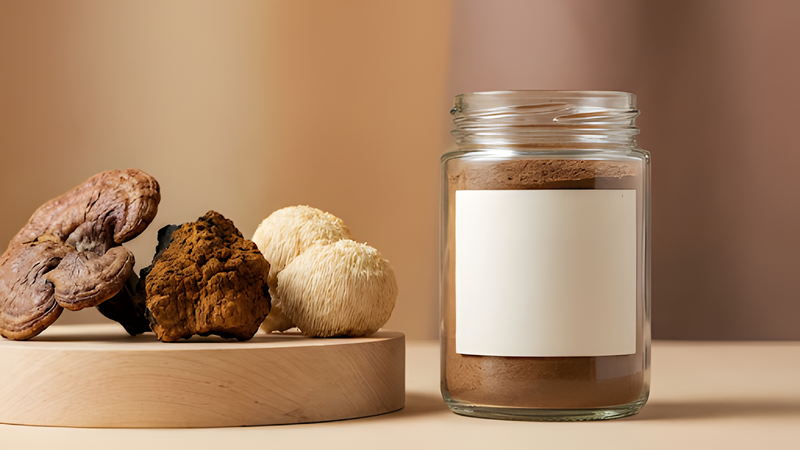
How to Store Mushrooms: The Complete Guide to Fresh and Dried
Few things sting like buying gorgeous fresh gourmet mushrooms, forgetting them for four days, and pulling out a bag of slime. Knowing how to store mushrooms is the unglamorous skill that quietly protects every recipe you make and every dollar you spend at checkout. Fresh and dried mushrooms play by completely different rules, and the method that keeps one in peak shape will ruin the other. Fresh mushrooms need to breathe. Dried mushrooms need to stay bone dry and in the dark. Get those two ideas straight and you can keep most varieties usable for days, months, or in the case of dried, years. Here is the full playbook, from the crisper drawer to the freezer to the pantry shelf.
Mushroom Storage at a Glance
Before the detail, here is the quick version you can screenshot and keep on the fridge.
Form | Where to store | How | How long it lasts |
|---|---|---|---|
Fresh, hardy types (button, cremini, shiitake, king oyster) | Refrigerator | Paper bag or the original carton, never sealed plastic | 7 to 10 days |
Fresh, delicate types (oyster, lion's mane, maitake) | Refrigerator | Paper bag, loosely packed | 3 to 5 days |
Cooked, saved for later | Freezer | Airtight container after sautéing or steaming | 9 to 12 months |
Dried | Pantry | Airtight, cool, dark, away from humidity | 1 to 2 years or more |
Why Mushrooms Need Special Treatment
Mushrooms are not like apples or carrots. They are roughly 85 to 90 percent water, and they keep breathing after harvest, which means they give off moisture as they sit. Trap that moisture against them and you get the classic slimy, slippery surface that signals the end. Let too much moisture escape and they shrivel into leathery scraps. Storage is a balancing act between the two.
They are also sponges, in the worst way. Mushrooms readily absorb both water and surrounding odors, so an open carton parked next to a cut onion or a wedge of blue cheese will taste like its neighbors within a day. The two takeaways: give fresh mushrooms airflow without drowning them, and keep them away from strong-smelling foods. Almost every rule below comes back to managing moisture, which is the single principle worth remembering when you forget the specifics.
How to Store Fresh Mushrooms
The single best home for fresh mushrooms is a paper bag in the refrigerator. Paper lets them breathe and wicks away the moisture they release, which is exactly what a sealed plastic bag cannot do. If your mushrooms came in a ventilated carton with that thin plastic film, you can leave them in it; the packaging is designed for airflow. If they came in a sealed deli container or a zip bag, move them to paper.
Keep them in the main body of the fridge or a crisper drawer set to higher humidity, and store them whole. Slicing exposes more surface area to air and speeds spoilage, so cut only what you plan to use. Do not wash them until you are ready to cook. Washed mushrooms soak up water and turn mushy fast, so a dry brush or a quick rinse right before cooking is the move. Stored this way, hardy varieties stay good for 7 to 10 days.
How do you cook lion's mane mushrooms?
How do you cook King Oyster mushrooms?
Storing Delicate and Specialty Mushrooms
Gourmet varieties are where storage really matters, because they cost more and spoil faster. The rules shift a little by type.
Lion's mane is highly perishable and bruises easily. Keep it loose in a paper bag and plan to use it within three to five days, since its airy, toothy structure goes off quickly. Oyster mushrooms are similar: fragile, fast to wilt, and happiest used within a few days of purchase. King oyster is the outlier, dense and sturdy enough to hold up for a week or two in the fridge. Maitake (hen of the woods) keeps about a week if you store it loosely and avoid crushing the fronds. Shiitake is one of the hardier fresh mushrooms and can stretch toward two weeks, and it also happens to dry beautifully if you want to extend it further.
When a specialty mushroom is clearly on its last day or two, cook it. Sautéed mushrooms keep far longer than raw ones and lose none of their value in a recipe.
How to Tell If Mushrooms Have Gone Bad
Trust your senses before you trust the calendar. A mushroom that has turned will usually show one or more of these signs: a slimy or sticky film on the surface, dark or blackened spots spreading across the cap, a wrinkled and dried-out shrivel, or a sour, ammonia-like smell. Fresh mushrooms smell earthy and mild, so anything sharp or off is a clear no.
A little surface darkening or slight softening on an otherwise firm, dry mushroom is fine to cook. Widespread sliminess or visible fuzzy mold is not, and you should toss the whole batch rather than trimming around it, since mold spreads through soft, moist food you cannot see. When in doubt with food safety, the cost of one wasted mushroom is far smaller than the alternative.
Check a reputable food safety resource such as the USDA FoodKeeper guidance for more information.
How to Store Dried Mushrooms
Dried mushrooms flip the entire strategy. Where fresh ones need airflow, dried ones need to be sealed away from air, light, and moisture. Store them in an airtight container, a glass jar with a tight lid or a vacuum-sealed bag, in a cool, dark, dry spot like a pantry or cupboard. Their enemy is humidity. Even a little reabsorbed moisture invites mold and undoes the whole point of drying.
Kept properly, dried mushrooms last one to two years and often longer, slowly fading in aroma rather than spoiling outright. For very long-term storage, the freezer works well; an airtight bag of dried mushrooms keeps almost indefinitely. Throw in a food-safe desiccant packet if you live somewhere humid. Check the jar every so often, and if you ever feel any softness or see clumping, the batch has picked up moisture and should be inspected closely before use.
Rehydrating and Using Dried Mushrooms
Bringing dried mushrooms back to life is simple. Cover them in warm water and let them soak for 20 to 30 minutes until pliable, then squeeze out the excess. Do not pour away that soaking liquid. It is concentrated mushroom umami, and it makes an excellent base for soups, risottos, and sauces. Just strain it through a coffee filter or fine sieve first, since grit settles to the bottom. From there, cook the rehydrated pieces however you would fresh ones.
Freezing Mushrooms the Right Way
Freezing raw mushrooms is a common mistake. Their high water content turns to ice crystals that rupture the cell walls, so they thaw into a watery, mushy mess. The fix is to cook them first. Sauté or steam your mushrooms until they release their moisture and firm up, let them cool completely, then pack them into airtight containers or freezer bags with the air pressed out. Frozen this way, cooked mushrooms keep their texture and flavor for 9 to 12 months and drop straight into pasta, omelets, and soups without thawing.
If you must freeze them raw, slice first and freeze them in a single layer on a tray before bagging, and accept that they will be best used in cooked dishes where texture matters less. For most home cooks, the cook-then-freeze method is the reliable one.
Want to Dry Your Own Mushrooms?
If you regularly buy more fresh mushrooms than you can use, drying your own extends the haul and keeps a shelf-stable supply on hand. A food dehydrator is the easiest tool: slice the mushrooms evenly, lay them in a single layer, and run it around 110 to 130°F until they snap cleanly rather than bend, which usually takes several hours. No dehydrator? A low oven works, set to its lowest temperature with the door cracked, though it takes longer and needs watching. Once fully dry and cooled, store them exactly like store-bought dried mushrooms: airtight, cool, dark.
This is also where buying quality pays off. A well-dried, properly stored mushroom rehydrates into something close to fresh, while a poorly dried one stays tough and flavorless no matter how long you soak it. Because after all, without fun there's no fungi, and nothing is fun about chewing a sad rehydrated scrap.
[Internal link: ShroomSpy.com/mushrooms/products]
The Bottom Line
Storage comes down to one idea repeated two ways. Fresh mushrooms want airflow and refrigeration, so keep them whole, dry, and in paper. Dried mushrooms want the opposite, sealed tight in a cool, dark, dry spot. Cook before you freeze, save your soaking liquid, and let your nose make the final call on freshness. Handle those basics and your mushrooms will reward every recipe instead of becoming the thing you guiltily scrape into the trash.
"Ready to take your mycology journey to the next level? Browse our full range of mushroom products and find everything you need to grow, forage, and thrive."
Check out our Products!
Frequently Asked Questions
Hardy varieties like button, cremini, shiitake, and king oyster stay good for 7 to 10 days when stored whole in a paper bag in the refrigerator. Delicate types like oyster, lion's mane, and maitake are best used within 3 to 5 days.