Tu kit de cultivo de setas ostra doradas podría estar destruyendo silenciosamente los bosques locales.
By Louis on 18/05/2026
Científicos de la Universidad de Florida advierten que los champiñones ostra dorados se están propagando desde los kits de cultivo en casa hacia los bosques de EE. UU., reduciendo la biodiversidad fúngica en más de 25 estados.
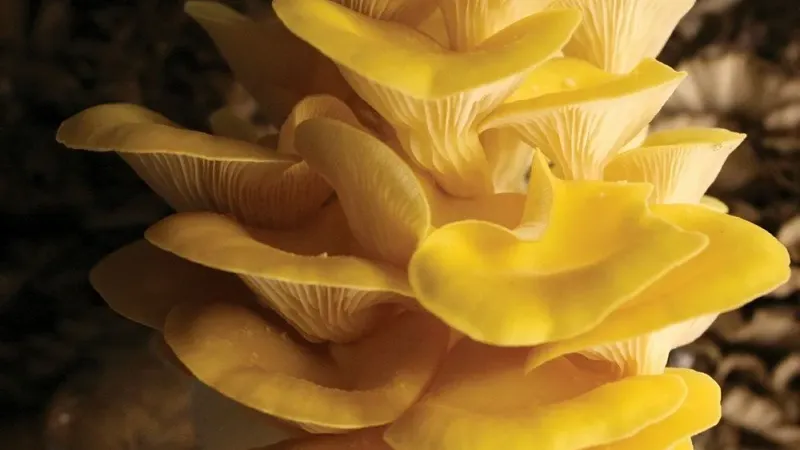
Tu kit de cultivo de setas de ostra dorada podría estar destruyendo silenciosamente los bosques locales
La dorada seta de ostra es una de las especies más populares entre los cultivadores domésticos. Es visualmente impresionante, crece rápido y aparece regularmente en mercados de agricultores, tiendas de comestibles especializadas y kits de cultivo vendidos en todo el país. También se está propagando silenciosamente a través de los bosques estadounidenses, desplazando a los hongos nativos y alterando los procesos ecológicos de los que dependen esos bosques.
Un investigador de la Universidad de Florida está advirtiendo ahora que las mismas características que hacen que la seta de ostra dorada sean atractivas para los cultivadores, su velocidad, su adaptabilidad, su vigor competitivo, son exactamente lo que la hace peligrosa una vez que escapa a la naturaleza. Y ha estado escapando, de manera constante, durante más de una década.
De cinco estados a veinticinco en una década
La seta de ostra dorada, Pleurotus citrinopileatus, es nativa de Asia Oriental. Llegó a América del Norte a través del comercio de cultivo y fue documentada por primera vez creciendo en la naturaleza en los Estados Unidos a principios de 2010. Para 2016, se había registrado en cinco estados, todos en el Medio Oeste y el Noreste. Hoy se ha confirmado en más de 25 estados, incluidos Texas, Virginia, Carolina del Norte, Alabama y Luisiana, y continúa moviéndose hacia el sur.
Michelle Jusino, profesora asistente de patología forestal en el Instituto de Ciencias Alimentarias y Agrícolas de la Universidad de Florida, ha estado rastreando su propagación y estudiando sus efectos ecológicos. Su advertencia, publicada junto con una investigación en Current Biology, es clara: la seta de ostra dorada es un fuerte competidor en entornos forestales, y su presencia está asociada con reducciones medibles en la diversidad fúngica y cambios en las comunidades ecológicas que se une.
La propagación está siendo impulsada por el comportamiento humano cotidiano. Los cultivadores domésticos que compran kits, transportan setas y desechan sustratos gastados o material contaminado al aire libre son el vector principal. En la mayoría de los casos, la introducción es accidental en lugar de deliberada. El resultado es el mismo de cualquier manera.
Lo que la investigación realmente encontró
Jusino y sus colegas estudiaron árboles de olmo muertos en Wisconsin, comparando árboles que habían sido colonizados por setas de ostra doradas con árboles que no lo habían sido. Se recogieron muestras de madera de diferentes alturas en cada árbol y se analizaron utilizando métodos de identificación basados en ADN para catalogar qué hongos estaban presentes.
Los resultados fueron consistentes y preocupantes. Los árboles donde se habían establecido setas de ostra doradas contenían sustancialmente menos especies fúngicas en general, y la composición de la comunidad fúngica se alteró en relación con los árboles no afectados. Algunas de las especies nativas que se redujeron o desplazaron incluían hongos con importancia ecológica y medicinal reconocida. Solo un pequeño número de especies parecían capaces de coexistir con el hongo invasor una vez que se había establecido.
Las consecuencias ecológicas van más allá del conteo de especies. Los hongos nativos del bosque desempeñan roles críticos en la descomposición de la madera, lo que impulsa el ciclo de nutrientes, y en el procesamiento de carbono, que conecta la salud del bosque con sistemas climáticos más amplios. Alterar la comunidad fúngica en la madera muerta no solo cambia qué especies están presentes. Cambia lo que el bosque puede hacer.
Por qué esto importa más de lo que parece
Las discusiones sobre especies invasoras tienden a centrarse en plantas, insectos y vertebrados. Los hongos son más pequeños, menos visibles y mucho menos propensos a generar preocupación pública incluso cuando su impacto ecológico es sustancial. Esa invisibilidad es parte del problema.
Las invasiones microbianas pueden remodelar ecosistemas de maneras que tardan años en hacerse evidentes, precisamente porque los organismos involucrados no están siendo observados. Para cuando los efectos sobre la estructura del bosque, las tasas de descomposición o las métricas de biodiversidad son medibles a escala paisajística, la especie invasora ya está bien establecida y es mucho más difícil de manejar.
El trabajo de Jusino se enmarca en un reconocimiento científico más amplio de que la biodiversidad fúngica no es incidental para la salud del bosque. Es fundamental. Las mismas redes miceliales que ciclan nutrientes, apoyan la comunicación entre árboles y regulan la descomposición son los sistemas que se ven interrumpidos cuando un competidor invasor agresivo se instala y reduce el número de especies que operan en ese sistema. Menos especies significan menos redundancia, menos resiliencia y menos capacidad para adaptarse a futuros estresores como sequías, enfermedades o cambios de temperatura.
La invasión de la seta de ostra dorada también es un recordatorio útil de que no todas las especies introducidas son obviamente dañinas. Este es un hongo comestible, nutritivo y de valor comercial que no presenta peligro para la salud humana. Su impacto ecológico no tiene nada que ver con la toxicidad o la competencia directa con los humanos. Opera a nivel de la comunidad fúngica, que es precisamente por qué pasó en gran medida desapercibido durante una década mientras se expandía por el continente.
observaciones de setas ostras doradas de iNaturalist – inaturalist.org]
Lo que los cultivadores responsables deberían hacer de manera diferente
Esta investigación no es un argumento en contra del cultivo de setas ostras doradas. Es un argumento a favor de cultivarlas de manera responsable, y las implicaciones prácticas son claras.
El sustrato gastado, los contenedores de cultivo contaminados y cualquier material que haya estado en contacto con un flush de setas ostras doradas deben ser tratados como material fúngico potencialmente vivo. Desecharlo al aire libre, incluso en un montón de compost que no esté completamente contenido, crea un camino para esporas y micelio para alcanzar entornos naturales. El tratamiento térmico o la eliminación en un contenedor sellado elimina ese riesgo.
Cultivar en interiores o en entornos exteriores completamente controlados, alejados del contacto con suelo, madera o sustratos naturales que se conectan con ecosistemas circundantes, mantiene la cultivación contenida. Si estás cultivando en una terraza, en un cobertizo o en un espacio de cultivo dedicado, el riesgo de liberación ambiental inadvertida es significativamente menor que si estás cultivando en un lecho de jardín adyacente a un bosque.
El equipo de Jusino también recomienda considerar especies de setas nativas para el cultivo al aire libre. Varias especies comestibles y culinarias excelentes son nativas de los bosques de América del Norte y no presentan el riesgo invasivo asociado con especies introducidas como la seta ostra dorada. Las setas de vino, melena de león, y pollo de los bosques son todas opciones nativas que se pueden cultivar al aire libre con una huella ecológica mucho menor.
La Gran Imagen para los Entusiastas de la Micología
La historia de la seta ostra dorada es un microcosmos de una tensión que la comunidad micológica necesita abordar cada vez más: la relación entre el entusiasmo por el cultivo y las responsabilidades ecológicas que conlleva.
El cultivo de setas ha crecido dramáticamente en la última década. Los cultivadores domésticos, los productores comerciales y las comunidades micológicas han crecido en paralelo. Ese crecimiento es genuinamente positivo en muchos aspectos. Fomenta la alfabetización ecológica, conecta a las personas con el mundo fúngico y produce alimentos y productos funcionales con una huella ambiental menor que muchas alternativas. También crea nuevos vectores para la introducción de especies que no existían a gran escala hace una generación.
La concienciación es la primera y más importante intervención. La mayoría de los cultivadores domésticos que han contribuido inadvertidamente a la propagación de la seta ostra dorada no sabían que lo estaban haciendo. La investigación de Jusino y sus colegas de UF/IFAS y el Servicio Forestal de EE. UU. es una oportunidad para cambiar eso, y la comunidad micológica está bien posicionada para difundir el mensaje a través de sus propias redes más eficazmente que cualquier campaña gubernamental podría.
Si cultivas setas, conoce tu especie, conoce su rango nativo y sabe qué hacer con tu sustrato gastado. Los bosques lo aprecian.
¿Listo para llevar tu viaje micológico al siguiente nivel? Navega por nossa gama completa de produtos de cogumelos y encuentra todo lo que necesitas para cultivar, recolectar y prosperar.
¡Echa un vistazo a nuestros productos!
Preguntas frecuentes
Pleurotus citrinopileatus es nativo de Asia Oriental y fue documentado por primera vez creciendo silvestre en los EE. UU. a principios de la década de 2010. Para 2016, se había registrado en cinco estados del Medio Oeste y el Noreste. Hoy en día, se ha confirmado en más de 25 estados, incluidos Texas, Virginia, Carolina del Norte, Alabama y Luisiana, y continúa moviéndose hacia el sur.