Are Mushrooms Good for Gut Health? The Research Answer
By Louis on 08/07/2026
Are mushrooms good for gut health? Yes, thanks to two unique prebiotic fibers, but with real caveats for some people. Here is the honest research-backed answer.
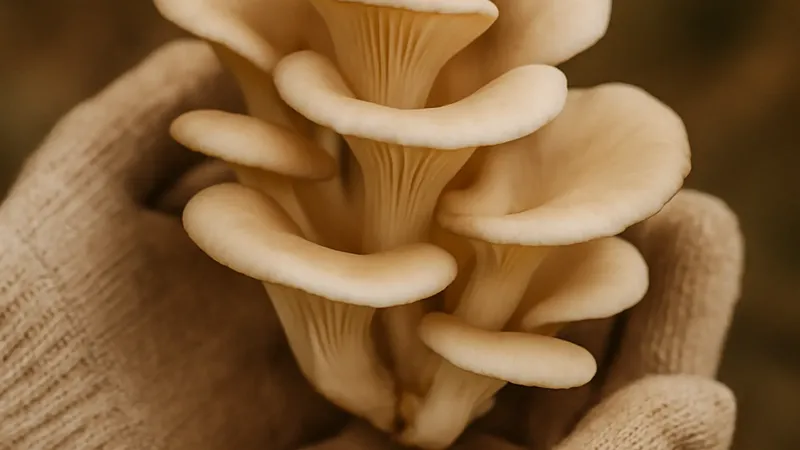
Are Mushrooms Good for Gut Health? What the Microbiome Research Shows
Mushrooms are good for gut health for most people, and the reasons involve two unique types of prebiotic fiber, documented shifts in beneficial gut bacteria populations, and a growing body of microbiome research that treats mushrooms as more than just fiber. The honest picture also includes real caveats: mushrooms contain a fermentable polyol called mannitol that triggers digestive symptoms in some people with IBS, raw mushrooms contain chitin that is hard for humans to digest fully, and portion size matters more than most articles admit. This is what the current microbiome research actually shows about mushrooms, which species deliver the strongest gut benefits, and who should approach them with more caution than the average recommendation suggests.
The Two Fiber Types That Make Mushrooms Unusual
The gut health case for mushrooms starts with the fact that they contain two fiber types you cannot get from most other foods. Together they function as a unique prebiotic package.
Beta-glucans are soluble fibers that survive digestion in the upper GI tract and reach the colon largely intact, where they become fuel for beneficial bacteria. This is the standard prebiotic mechanism, similar to what happens with inulin from onions or resistant starch from cooled potatoes. Beta-glucans are fermented slowly, which produces short-chain fatty acids (SCFAs) including butyrate, the primary energy source for the cells lining your colon. Butyrate production is one of the more important metrics in modern gut health research, and mushrooms contribute to it consistently.
Chitin is the second fiber type and it is unusual. Chemically it is the same compound that forms insect exoskeletons and crustacean shells, and it is essentially unique to fungi and arthropods among the things humans eat. Chitin functions as an insoluble fiber that adds bulk to stool, resists complete digestion in the upper GI tract, and reaches the colon where emerging research suggests it also has prebiotic activity. The combination of chitin and beta-glucans (sometimes called the "chitin-glucan complex" in the fiber literature) appears to feed a broader range of beneficial bacteria than either fiber type alone.
Cooking matters here more than most gut-health articles acknowledge. Raw mushrooms contain intact chitin that human digestive enzymes cannot fully break down, which is one of the main reasons raw mushroom consumption often produces bloating and discomfort. Cooking partially breaks down chitin, making the nutrients inside cell walls accessible while leaving enough intact fiber to still function as prebiotic material in the colon.
What the Microbiome Research Actually Shows
Human microbiome research is still a relatively young field, and any specific claim in this area deserves some skepticism. The claims that hold up best in mushroom research are the mechanistic ones and the small but consistent findings across multiple studies.
A 2019 study by Solano-Aguilar and colleagues at the USDA documented that regular white button mushroom consumption altered gut microbiota composition in healthy adults, with increases in bacterial populations associated with fiber fermentation. A 2023 study published in the Journal of Functional Foods extended these findings, showing increases in beneficial Bacteroidetes populations and reductions in gut inflammation markers in adults consuming white button mushrooms daily over a six-week period. Other studies using shiitake, maitake, and lion's mane have shown similar directional effects on microbiome composition, though the specific bacterial families affected vary by species.
The consistent findings across mushroom microbiome research: regular consumption tends to increase populations of fiber-fermenting bacteria, increase production of short-chain fatty acids (particularly butyrate), and reduce some markers of gut inflammation. These effects are modest in magnitude, take weeks to develop, and vary between individuals based on baseline microbiome composition. They are also directionally consistent with what would be predicted from the fiber and beta-glucan content alone.
What the research does not support is dramatic claims about "healing" specific digestive conditions, "curing" leaky gut, or fundamentally reshaping the microbiome. The changes documented are real but modest, and they fit into the broader category of "regular consumption of prebiotic-rich foods supports a diverse and functional microbiome" rather than any specific therapeutic claim.
Which Mushrooms Are Best for Gut Health
The research base is uneven across species, with white button mushrooms having the most direct microbiome study data (likely because they are the cheapest and most widely available for research). Beyond that, the ranking follows fiber content and beta-glucan concentration.
White button mushrooms have the most microbiome-specific research and consistently show modest but positive effects on beneficial bacterial populations. They are also the cheapest and most accessible, which makes them a practical starting point for anyone integrating mushrooms into a gut-focused diet.
Shiitake delivers strong beta-glucan content and contains lentinan, which has some documented effects on gut immunity beyond simple fiber activity. Shiitake also happens to be one of the more culinarily versatile options, making regular consumption easier.
Maitake and lion's mane both contain substantial fiber and beta-glucan content and have emerging research on gut-brain axis effects. Lion's mane specifically shows interesting early findings on gut inflammation, though the research base is thinner than for the more studied species.
Reishi and turkey tail are less commonly consumed as culinary mushrooms but their concentrated extracts have documented effects on gut microbiota composition in supplemented forms.
Oyster mushrooms deliver strong overall fiber content and are one of the higher ergothioneine sources, though their specific microbiome research is limited.
For anyone focused on gut health specifically, variety across multiple species is more useful than picking a single best mushroom. The microbiome responds to diverse fiber sources by supporting a broader range of beneficial bacterial families than any single fiber type can.
The Gut-Immune Connection
Roughly 70 percent of the human immune system is located in and around the gut, which means gut health and immune function are more integrated than they are often presented. Mushroom beta-glucans that reach the colon do not just feed bacteria. They also interact with immune cells embedded in the gut lining, particularly through the same Dectin-1 receptor discussed in the immune system literature.
This integration is part of why mushroom compounds show effects on both microbiome composition and systemic immune markers in the same studies. Improved microbiome function reduces the inflammatory load on the gut lining, which in turn supports better systemic immune balance. The short-chain fatty acids produced by fiber fermentation, particularly butyrate, also have documented anti-inflammatory effects that extend beyond the gut itself.
The practical implication is that gut-focused mushroom use and immune-focused mushroom use are largely the same intervention. The compounds and mechanisms overlap substantially, and improvements in one area tend to correlate with improvements in the other.
When Mushrooms Might Not Be Great for Your Gut
This is the section that most gut-health articles conveniently skip. For a subset of people, mushrooms genuinely do not sit well, and pretending otherwise is not doing anyone any favors.
FODMAP sensitivity. Mushrooms contain mannitol, a polyol classified as a fermentable oligosaccharide, disaccharide, monosaccharide, and polyol (FODMAP). For people with IBS or FODMAP intolerance, mannitol can trigger bloating, gas, and abdominal discomfort. The FODMAP content varies by species: white button, portobello, and shiitake are relatively high, while oyster mushrooms are lower. If you have known FODMAP sensitivity, oyster mushrooms are typically the best-tolerated option, and portion size matters significantly.
Raw mushroom digestion. As mentioned above, chitin in raw mushrooms is difficult for humans to digest efficiently. People who eat mushrooms raw on salads and experience bloating are usually not allergic. They are just having a normal response to a fiber that requires cooking to be well-tolerated. Cooking solves this for most people.
SIBO and dysbiosis. In small intestinal bacterial overgrowth (SIBO) or certain forms of gut dysbiosis, feeding gut bacteria with any prebiotic (including mushrooms) can temporarily worsen symptoms before it helps. People actively managing these conditions should work with a knowledgeable practitioner rather than self-directing mushroom intake as a gut protocol.
Portion size. Even for people without specific conditions, eating a full pound of mushrooms in one sitting is more fiber and mannitol than most digestive systems handle comfortably. The gut health benefits documented in research come from regular moderate intake, not from binge consumption.
How to Actually Use Mushrooms for Gut Health
The practical approach depends on your current tolerance and goals, but a few principles hold across situations.
Cook them well. This is the most important rule for gut tolerance. Dry-sautéing until water releases, then adding fat to brown, produces both better flavor and better digestibility. Boiled or steamed also work but produce less appealing results in most dishes.
Start moderate. For anyone newly integrating more mushrooms into their diet, one cup cooked per meal is a reasonable starting point. Increasing from there is fine for people who tolerate them well.
Rotate species. As noted above, variety produces better microbiome outcomes than fixating on one mushroom. Rotating between oyster, shiitake, maitake, white button, and cremini across a week exposes the gut to a broader range of fiber types.
Combine with other prebiotic foods. Mushrooms work best as one component of a fiber-forward diet. Onions, garlic, leeks, oats, legumes, cooled starches, and fermented foods complement mushroom fiber and support a more diverse microbiome than any single food source.
Consider extracts for concentrated support. Fruiting-body mushroom extracts deliver higher beta-glucan doses than culinary consumption for people specifically targeting gut-immune modulation. Quality matters more here than dose. Mycelium grown on grain products often contain very low beta-glucan content compared to genuine fruiting-body extracts.
ShroomSpy's tested mushroom collection is curated around fruiting-body products with batch-tested content, which is the only way to know what you are actually getting in a supplement.
Conclusion
Mushrooms are good for gut health for the majority of people, and the mechanisms are more specific than "they contain fiber." Two distinct fiber types (chitin and beta-glucans) reach the colon largely intact and feed beneficial bacteria, producing short-chain fatty acids and supporting a more diverse microbiome. Research on white button mushrooms specifically has documented these effects consistently in human subjects over multi-week protocols, and similar effects appear in research on other culinary and medicinal species. The honest caveats matter too: mushrooms contain FODMAP compounds that can trigger symptoms in sensitive individuals, raw mushrooms are harder to digest than cooked, and portion size affects tolerance. For most healthy adults incorporating mushrooms into a broader fiber-rich eating pattern, they earn their place as a genuinely useful gut-supportive food.
Ready to take your mycology journey to the next level? Browse our full range of mushroom products at ShroomSpy.com/mushrooms/products and find everything you need to grow, forage, and thrive.
Check out our Products!
Preguntas frecuentes
For most people, yes. The fiber content in mushrooms adds bulk to stool and supports regular bowel movements, and the prebiotic effects of beta-glucans and chitin support the beneficial bacteria that produce short-chain fatty acids in the colon. Cooked mushrooms are much better tolerated than raw, and moderate portions produce better outcomes than very large ones.