Mushrooms for Vegans and Vegetarians: The Complete Guide
By Louis on 12/07/2026
What mushrooms actually deliver for plant-based diets, including complete protein and vitamin D, plus the honest B12 truth most vegan mushroom articles skip.
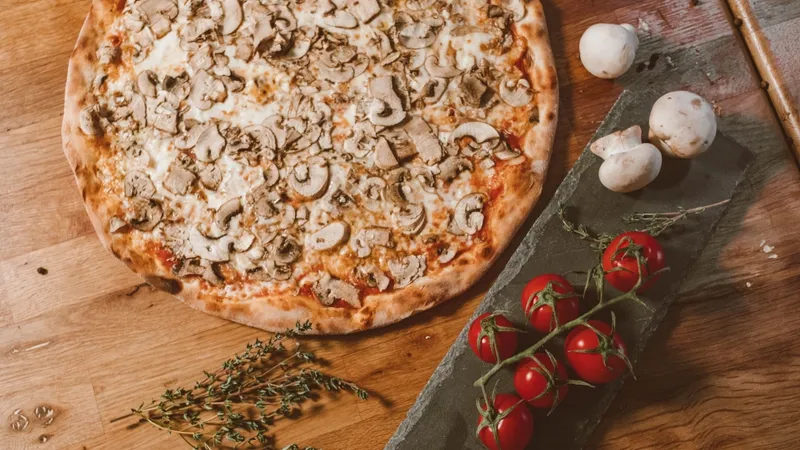
Mushrooms for Vegans and Vegetarians: What They Deliver and What They Do Not
Mushrooms are exceptionally valuable for plant-based diets, delivering complete protein with all nine essential amino acids, the only meaningful plant-source vitamin D, high selenium content that most vegans miss, a strong B vitamin profile, and the umami depth that makes plant-based cooking actually satisfying rather than just virtuous. They also serve as one of the most versatile meat-substitute ingredients available, capable of standing in for ground meat, bacon, scallops, pulled pork, and steaks in familiar dishes without triggering the "sad diet food" resistance that undermines a lot of plant-based eating. What mushrooms cannot do is fix every nutritional gap in a vegan diet, and the B12 story specifically requires honest handling because getting it wrong can cause real neurological harm. Here is the complete picture of what mushrooms genuinely deliver for vegans and vegetarians, and where you still need to look elsewhere.
What Plant-Based Diets Need That Mushrooms Actually Deliver
Well-planned plant-based diets can meet essentially all nutritional needs, but several nutrients require more deliberate attention on plant-based eating than on omnivorous diets. Mushrooms specifically address several of these gaps in ways that other plant foods cannot.
Complete protein at low calorie cost. Most plant foods are missing or low in at least one essential amino acid, which is why traditional plant-based eating combines foods (rice and beans, grains and legumes) to fill the gaps. Mushrooms contain all nine essential amino acids in measurable amounts, putting them in a small group of complete-protein plant foods alongside soy, quinoa, buckwheat, and hemp seeds. The amounts of leucine and lysine are lower than in animal sources, so mushrooms complement rather than replace other protein sources, but they contribute meaningfully to overall amino acid balance.
Selenium. This trace mineral is essential for thyroid function, immune response, and antioxidant defense, and it is harder to source on strict plant-based diets than most people realize. Brazil nuts are the famous vegan selenium source, but they deliver highly variable amounts depending on where they were grown, and eating them daily is not always practical. Mushrooms, particularly shiitake and cremini, deliver reliable selenium content across servings. A cup of shiitake provides roughly 30 percent of the daily value.
Vitamin D from a plant source. Mushrooms are the only non-animal food that produces meaningful vitamin D, and they do it when exposed to UV light. This makes them uniquely valuable for vegans, who otherwise depend on fortified foods and supplements for vitamin D. The catch is that most commercial mushrooms are grown in the dark and contain essentially zero vitamin D. UV-exposed mushrooms (either commercially treated or DIY sun-exposed at home) can deliver 400 IU or more per 3-ounce serving.
B vitamins. Mushrooms deliver meaningful amounts of riboflavin, niacin, and pantothenic acid, three B vitamins that plant-based diets can be lower in than mixed diets. Pantothenic acid content is particularly notable at roughly 30 percent of the daily value per 100-gram serving.
Copper. Another mineral where mushrooms outperform most vegetable sources, contributing to cardiovascular health and iron metabolism.
The B12 Question: Read This If You Are Vegan
This is the section most vegan mushroom articles either get wrong or skip entirely, and getting it right matters because vitamin B12 deficiency can cause serious and sometimes irreversible neurological damage.
Here is the honest answer: mushrooms are not a reliable source of vitamin B12 for humans. Some mushroom species do contain small amounts of B12-like compounds, and some research has found that certain mushrooms grown on B12-producing bacterial substrates can accumulate measurable B12 levels. However, the compounds mushrooms typically contain are B12 analogs (structurally similar molecules that may not have the same biological activity as true B12), and the amounts vary too much between sources and cultivation conditions to be dietarily reliable.
Some vegan-oriented sources have promoted mushrooms as a B12 solution based on limited studies of specific cultivation methods. This is dangerous misinformation. The mainstream nutritional consensus, backed by essentially every major dietetic association including the Academy of Nutrition and Dietetics, is that vegans require B12 from supplements or from reliably fortified foods (nutritional yeast fortified with B12, fortified plant milks, fortified cereals). Relying on mushrooms for B12 is not adequate for long-term vegan health.
The practical takeaway: eat mushrooms for the many nutrients they genuinely provide, but supplement B12 or use fortified foods reliably. This is not a case where dietary optimization can substitute for supplementation. Vegans who do not supplement B12 will eventually develop deficiency, and the neurological consequences can be permanent even after B12 status is corrected. Take this seriously.
The Vitamin D Angle Is Actually the Biggest Deal
Beyond the general nutritional benefits, the vitamin D story is where mushrooms genuinely have no plant-based competitor. For vegans and strict vegetarians, dietary vitamin D options are extremely limited. Fatty fish leads the list of natural sources. Egg yolks contribute for lacto-ovo vegetarians. Beyond that, plant-based options thin out quickly to fortified foods (some plant milks, some cereals) and supplements.
UV-exposed mushrooms occupy an unusual niche in this list because they produce actual dietary vitamin D through the same biological mechanism human skin uses. Slicing fresh mushrooms gills-up and leaving them in direct sunlight for 30 to 60 minutes converts them from near-zero vitamin D to a source delivering several hundred IU per serving. Store-bought UV-exposed mushrooms (marketed under labels like "vitamin D mushrooms" or "Sun Bella") deliver similar or higher amounts without requiring any prep work.
The vitamin D that mushrooms produce is D2 rather than the D3 found in animal sources and most supplements. Most clinical studies show D3 raises blood levels of active vitamin D slightly more efficiently per dose, but D2 still works and still raises serum vitamin D meaningfully. For vegans specifically, mushroom-derived D2 is often the only real natural food source available, and using it alongside supplementation is a reasonable approach for maintaining vitamin D status.
The Umami Factor: Why Mushrooms Make Plant-Based Eating Sustainable
The nutritional case for mushrooms in plant-based diets is strong, but the practical case might be even stronger. The single most common reason people abandon plant-based eating is not nutritional concerns. It is the sense that meals feel unsatisfying, one-dimensional, or missing something. Mushrooms address this directly through glutamate content and umami depth.
Glutamate is the amino acid responsible for the savory, meaty depth of aged cheese, cured meats, soy sauce, and Parmesan. Mushrooms are one of the richest natural sources in the plant world. When you cook mushrooms well (particularly with high heat that produces browning), the glutamate concentrates and creates flavor complexity that reads to the brain as "real food" rather than "diet food." This is not a psychological trick. It is a taste receptor response.
For anyone new to plant-based eating who is struggling with the feeling that meals lack depth, adding mushroom-forward dishes to the rotation reliably fixes the problem. Dried mushrooms concentrate the effect further and can be used as a powder or as a rehydrated element in sauces, broths, and grain dishes to add umami without adding volume.
Meat Substitution Techniques That Actually Work
The generic advice to "eat portobello burgers" undersells what mushrooms can actually do in place of meat. Here are the specific techniques that produce genuinely satisfying substitutions rather than pale imitations.
Ground meat substitute: Finely chopped cremini or portobello mushrooms, dry-sautéed until browned, blend into tacos, pasta sauce, chili, lasagna, and shepherd's pie in place of some or all of the ground meat. The mushroom-only version works. The half-and-half version (blended with beans, lentils, or plant-based ground) fools most eaters.
Bacon substitute: Thinly sliced shiitake or king trumpet mushrooms crisped in oil with a bit of tamari, maple syrup, and smoked paprika produces a genuinely crispy, smoky topping that outperforms most commercial vegan bacons.
Pulled meat substitute: King trumpet mushrooms shredded with a fork along their natural grain, then braised with barbecue sauce or seasoning, produce a pulled-pork texture that works in tacos, sandwiches, and grain bowls.
Scallop substitute: King trumpet mushroom stems sliced into thick medallions, scored, and seared in a hot pan with butter (or vegan alternative) caramelize into a texture and flavor genuinely reminiscent of scallops.
Chicken texture: Oyster mushrooms shredded and pan-fried develop a stringy, chicken-like texture that works in stir-fries, sandwiches, and cutlet preparations.
Steak substitute: Large portobello caps marinated in balsamic, tamari, and herbs, then grilled or seared, function as a legitimate main-plate protein for casual meals.
Umami cheese substitute: Dried mushroom powder (particularly porcini) sprinkled over pasta, popcorn, or savory dishes adds an umami intensity that stands in for aged cheese or Parmesan.
Which Mushrooms Are Best for Plant-Based Eating
The species that earn the most rotation time in plant-based cooking are the ones with distinctive textures and versatility rather than the ones with the strongest nutritional profiles.
Portobello and cremini (the mature and mid-stage forms of Agaricus bisporus) are the workhorses for chopped ground-meat substitutions and whole-cap main dishes.
Shiitake delivers the strongest umami intensity and works particularly well in Asian preparations, broths, and as bacon-style toppings. Dried shiitake is one of the more useful pantry staples for umami-focused cooking.
Oyster mushrooms deliver delicate flavor and adaptable texture, working well in shredded chicken-substitute preparations and stir-fries.
King trumpet (king oyster) is the most versatile for meat-substitute techniques, functioning as scallops, pulled meat, and bacon depending on how it is cut and cooked.
Lion's mane has a distinctive seafood-like texture that works well for crab cake and lobster substitutions, particularly for lacto-ovo vegetarians who occasionally miss seafood.
Porcini (usually dried) delivers concentrated umami for sauces and broths and adds depth to grain dishes.
For strict vegan cooking, having two or three species on hand at any given time gives you enough textural and flavor variety to keep meals interesting across a week.
Conclusion
Mushrooms are one of the most valuable foods available for vegans and vegetarians, delivering complete protein, the only meaningful plant-source vitamin D, strong selenium content, meaningful B vitamins, and the umami depth that makes plant-based cooking actually satisfying rather than dutiful. They also provide the most versatile meat-substitute options available, capable of standing in for ground meat, bacon, scallops, pulled pork, and more with techniques that produce genuinely satisfying results. What mushrooms cannot do is provide reliable vitamin B12, which vegans must source from supplements or fortified foods for long-term health. Anyone building a plant-based diet around mushrooms is doing themselves a favor. Anyone treating mushrooms as a substitute for B12 supplementation is putting themselves at real neurological risk. Get both right and mushrooms earn their place as one of the most useful foods in any plant-based kitchen.
Ready to take your mycology journey to the next level? Browse our full range of mushroom products at ShroomSpy.com/mushrooms/products and find everything you need to grow, forage, and thrive.
Check out our Products!
Preguntas frecuentes
Not reliably. Some mushroom species contain small amounts of B12-like compounds, but these are often B12 analogs with uncertain biological activity rather than true bioavailable B12. Vegans and strict vegetarians should not rely on mushrooms for B12 and should instead use supplements or reliably fortified foods (B12-fortified nutritional yeast, plant milks, or cereals). This is not a matter of optimization, it is a matter of preventing serious neurological consequences from B12 deficiency.