What Does Mushroom Coffee Taste Like? (Honestly)
By Louis on 07/28/2026
What does mushroom coffee taste like? Earthy, nutty coffee, not mushrooms. Here's how each species tastes and how to make your cup taste great.
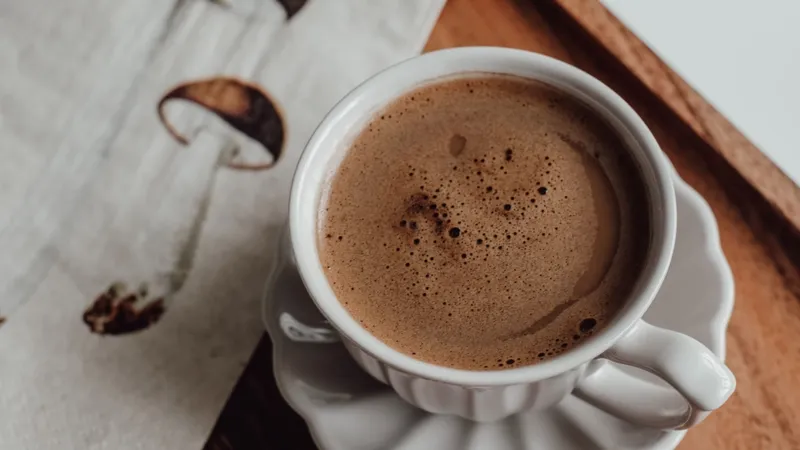
What Does Mushroom Coffee Taste Like? An Honest Description
The number one thing keeping people from trying mushroom coffee is a mental image of blended-up portobellos in a mug. Relief is on the way, because mushroom coffee does not taste like mushrooms. A well-made cup tastes like coffee with a gentle earthy, nutty undertone, closer to a deep dark roast than to anything you would sauté. The mushroom part is an extract powder, not cooked caps, so there is no savory umami hit and nothing slimy. What you actually taste depends on the mushroom, the quality, and how you make it, so here is the honest flavor rundown before you commit.
The Short Answer: Earthy Coffee, Not Mushrooms
A good mushroom coffee tastes like coffee first, with a soft earthy and slightly nutty edge sitting underneath. Picture the gap between a bright, zippy light roast and a deep, woodsy dark roast. The mushroom nudges the cup toward that darker, earthier end. There is no savory flavor, no sliminess, and nothing that reminds you of soup.
Handed it blind, most people would simply think they were drinking a mellow, earthy coffee and never guess a mushroom was involved. That is the whole appeal: the functional part rides along quietly while the coffee does the talking.
Why It Doesn't Taste "Mushroomy"
The reason lives in the ingredient itself. The mushroom in your cup is a dried, extracted powder, not sautéed caps fresh from a pan. Extraction and drying strip away the meaty, savory qualities you associate with cooked mushrooms and leave behind earthy, roasty notes that fold into coffee instead of fighting it.
The coffee is also doing most of the heavy lifting on flavor. In a typical blend, the mushroom powder is a supporting player, so its subtle earthiness gets folded under the roast rather than standing out front. That is why the phrase people reach for is almost always "earthy," not "mushroomy." There is more about mushroom coffee in our guide here for specific information, tasting notes, benefits, and so on.
How Each Mushroom Changes the Flavor
Species is the biggest flavor variable, and knowing the differences helps you pick a cup you will actually enjoy.
Lion's mane is the mildest, faintly nutty and almost sweet, the gentlest on the palate. Chaga leans earthy and woody with a hint of vanilla, which pairs naturally with coffee. Cordyceps is fairly neutral, adding a soft earthiness and little else. Reishi is the outlier worth knowing about, because it is genuinely bitter and can read as medicinal, which is why reishi-heavy blends taste sharper than the rest.
Multi-mushroom blends usually balance these so no single note takes over. If bitterness is your worry, favor lion's mane or chaga-forward products and go easy on anything heavy in reishi.
When Mushroom Coffee Tastes Bad
When someone insists mushroom coffee is gross, the culprit is almost always quality or technique, not the concept. Cheap, over-roasted powder can taste burnt or like wet cardboard. Mycelium-on-grain products often bring a starchy, flat, sometimes sour note from the substrate they were grown on. Too much powder turns the cup aggressively earthy, boiling water scorches it into bitterness, and tipping powder straight into a full mug leaves gritty clumps.
A dirt-like or sour taste is a signal to check your powder and your method, not a reason to write off the whole category. Better ingredients and a gentler hand fix nearly all of it.
How to Make It Taste Better
A few small moves solve most flavor complaints. Milk or a plant alternative adds body and softens the earthiness. A spoon of cacao pushes it toward mocha territory, cinnamon or vanilla warms it up, and a touch of sweetener rounds off any sharp edges. Start with less powder than you think you need, and stir it into a splash of coffee first to make a smooth paste before topping up the mug.
The single biggest upgrade, though, is the powder itself. A clean, well-made extract simply tastes better than a cheap tub, no matter how good your technique is.
Will You Get Used to the Taste?
For most people, yes, and quickly. The earthiness that jumps out on day one usually settles into the background within a handful of cups as your palate adjusts, the same way people come around to black coffee or dark chocolate. It stops registering as "different" and starts registering as normal.
Format plays a small role too. Freshly brewed blends tend to taste rounder than some instant versions, though a good instant lands close. Buy a quality powder, ease in on the dose, and mushroom coffee stops being a novelty fast and just becomes your coffee. Try out other functional mushroom beverages too!
The Short Version
Mushroom coffee tastes like coffee with a mild earthy, nutty layer, not like mushrooms, because the fungi go in as a roasty extract rather than cooked caps. Lion's mane and chaga are the friendliest flavors, cordyceps is neutral, and reishi is the bitter one to watch. Any genuinely bad cup usually traces back to cheap powder or heavy-handed technique, both easy to fix with better ingredients, a splash of milk, and a lighter dose. Give your palate a few days and it becomes just another good cup of coffee.
Ready to take your mycology journey to the next level? Browse our full range of mushroom products at ShroomSpy.com/mushrooms/products and find everything you need to grow, forage, and thrive.
This post covers functional mushrooms and supplements as researched foods. It does not diagnose, treat, cure, or prevent any disease, and the mushrooms discussed are non-psychoactive culinary species.
Check out our Products!
Frequently Asked Questions
Like coffee with a mild earthy, nutty undertone, closer to a dark roast than to mushrooms. A well-made cup has no savory or slimy quality. The exact flavor depends on the mushroom species, the powder quality, and how you brew it.