Where to Buy Gourmet Mushrooms (Fresh & Dried)
By Louis on 08/14/2026
Where to buy gourmet mushrooms, fresh and dried, plus how to judge quality before you pay. Find trusted sources and skip the mystery bags.
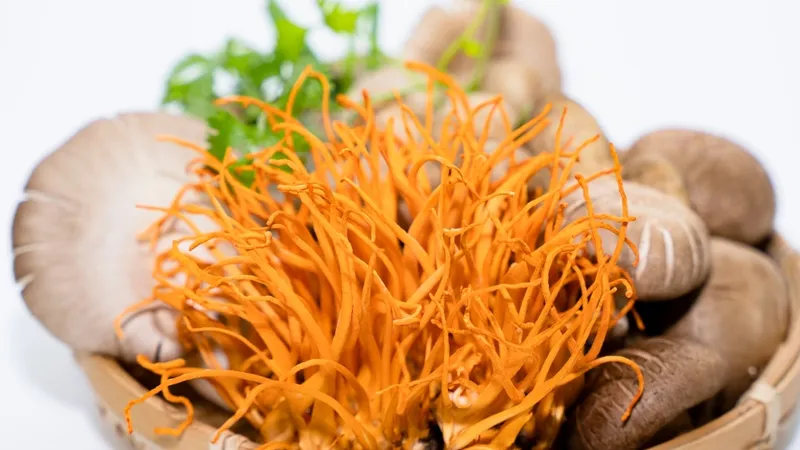
Where to Buy Gourmet Mushrooms: Fresh, Dried, and Worth the Money
Walk into most grocery stores looking for gourmet mushrooms and you will find a lonely carton of buttons, maybe some baby bellas if it is a good day. The porcini, the morels, the fresh lion's mane you saw on a cooking show? Nowhere. Finding genuinely good gourmet mushrooms takes knowing where to look, and just as importantly, how to tell the excellent from the overpriced sawdust. This guide covers both: the real places to buy fresh and dried gourmet mushrooms, and how to judge quality before your money leaves your hand.
Fresh or Dried? Buy the Right One for the Job
Before you buy anything, know which form you actually want, because they are not interchangeable.
Fresh gourmet mushrooms give you texture and a clean, delicate flavor. They are what you want for a quick sear, a grilled cap, or anything where the bite matters. The catch is they are perishable, seasonal, and harder to find.
Dried gourmet mushrooms trade that fresh texture for concentrated, intense flavor and a pantry life measured in months. A handful of dried porcini will out-flavor a whole tray of fresh buttons in a risotto or stock. They rehydrate in about 20 minutes, and the soaking liquid becomes a savory broth you would be a fool to pour down the drain.
For most home cooks, the honest answer is both: fresh when you can get it and the dish calls for it, dried always in the pantry for depth on demand.
Where to Actually Find Them
Good gourmet mushrooms come from a handful of reliable channels, and it pays to know the trade-offs of each.
Farmers markets and local foragers are the gold standard for fresh, seasonal varieties, and you can often talk directly to whoever pulled them from the ground. The downside is inconsistency: what is there this week may be gone next.
Asian and specialty grocers frequently stock fresh shiitake, oyster, king oyster, and enoki at prices that shame the gourmet section of a chain supermarket. Well worth a scouting trip.
Online marketplaces and specialty suppliers are where dried varieties and harder-to-find species live. This is the most reliable route for consistent quality year-round, especially for anything dried, provided you buy from a source that is transparent about where its mushrooms come from.
Growing your own is the ultimate fresh source. A grow kit on the counter means gourmet oyster or lion's mane harvested the same hour you cook it, which is fresher than anything money can buy shipped.
How to Judge Quality Before You Pay
This is the part most buying guides skip, and it is the part that saves you money. Not all gourmet mushrooms are created equal, and price alone tells you nothing.
For fresh, trust your hands and eyes. Caps should be firm and dry, never slimy or sunken. A faint earthy smell is good; anything sour or ammonia-like means walk away. Skip anything with dark, mushy bruising.
For dried, look for whole pieces or large, intact slices rather than a bag of crumbs and dust. Powder at the bottom usually signals age and rough handling. Color should be rich, not faded and gray.
The signal that matters most online is sourcing transparency. A seller who tells you the species, the origin, and how the mushrooms were handled is a seller with nothing to hide. Vague "gourmet mushroom mix" listings with no species named and no sourcing detail are a gamble, and often a bad one.
Buying Gourmet Mushrooms Online Without Getting Burned
Online is the most reliable route for consistency, but it is also where a blurry photo can hide a lot. A few checks separate a good order from a disappointing one.
Buy from marketplaces that vet their sellers rather than listing anyone with a bag and a shipping label. Look for named species, clear sourcing, and real customer reviews, not just a star rating with no substance. For dried mushrooms, shipping is straightforward and quality holds up well in transit. For fresh, check that the seller uses proper packaging and realistic delivery windows, since fresh mushrooms do not survive a slow, hot journey.
This is exactly the gap ShroomSpy is built to close. As a marketplace focused on mycology, it vets sellers and pushes for sourcing transparency and clear product information, so you are choosing from mushrooms with a known origin rather than mystery bags. You can browse dried gourmet varieties like porcini and shiitake for pantry depth, or start a grow-your-own kit if you want the freshest possible harvest on your own counter.
Store What You Buy So It Lasts
Sourcing great mushrooms is wasted effort if they rot in the drawer or lose their punch in a bad container. Fresh mushrooms want to breathe, so keep them in a paper bag in the fridge, never sealed plastic, and use them within about a week. Dried mushrooms keep for months in an airtight jar away from light and heat, and you can always dry a fresh surplus yourself to stretch it further.
Wrapping Up
Finding gourmet mushrooms comes down to matching the source to the form: farmers markets and specialty grocers for fresh, trusted online marketplaces for dried and hard-to-find species, and a grow kit when you want the freshest possible harvest. Whatever the channel, let quality lead. Firm and clean for fresh, whole and richly colored for dried, and always a source that is honest about where its mushrooms come from. Buy on those terms and you will spend less on better mushrooms, every time.
Ready to take your mycology journey to the next level? Browse our full range of mushroom products at ShroomSpy.com/mushrooms/products and find everything you need to grow, forage, and thrive.
Check out our Products!
Frequently Asked Questions
Start with farmers markets and Asian or specialty grocers, which often carry fresh shiitake, oyster, and king oyster at fair prices. For the freshest option of all, a home grow kit lets you harvest gourmet mushrooms the same day you cook them.