Mushroom as a Meat Substitute: Which Ones & How
By Louis on 16/08/2026
Which mushroom replaces which meat, and how to get a genuinely meaty texture. An honest guide to using mushrooms as a meat substitute at home.
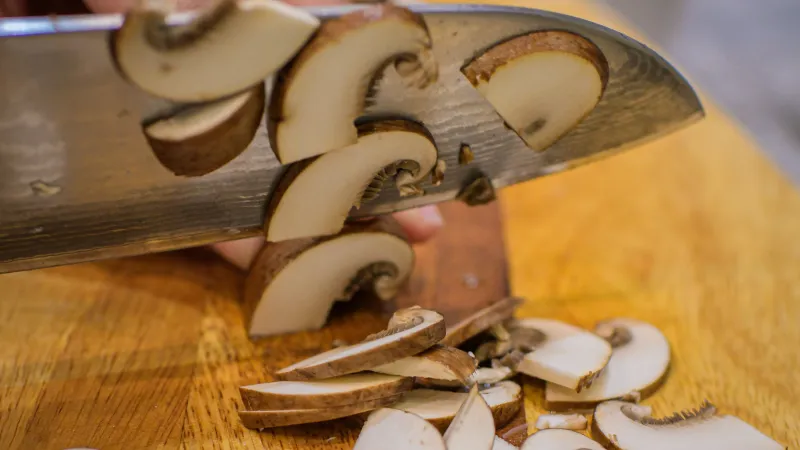
Mushroom as a Meat Substitute: The Honest Guide to Swapping It In
Long before the lab-grown patties and pea-protein sausages, mushrooms were quietly doing the job of meat in kitchens all over the world. They bring the two things that make meat satisfying, a dense, chewy texture and a deep savory flavor, without any of the processing. Using a mushroom as a meat substitute is one of the easiest ways to eat less meat without feeling like you gave something up. The trick is knowing which mushroom replaces which meat, and how to cook it so it delivers.
What "Meat Substitute" Actually Means Here
Time for some honesty that most articles skip. Mushrooms are a fantastic stand-in for the experience of meat, the bite, the chew, the savory richness. They are not, however, a gram-for-gram protein swap. A cup of mushrooms has only a few grams of protein, far less than the beef or chicken it is replacing on the plate.
That is not a knock, it just changes how you use them. Mushrooms replace meat's role in a dish, its texture and its umami, rather than its nutrition profile. If protein is the goal, pair your meaty mushrooms with beans, lentils, tofu, or eggs, and you get the satisfaction of meat plus the protein to match. It's all about learning how to actually cook mushrooms, rather than just throwing them into a dish.
Go in with that expectation and mushrooms deliver beautifully. Go in expecting a protein bomb and you will be disappointed.
The Meatiest Mushrooms and What They Replace
Different mushrooms mimic different meats, and matching them well is the whole game.
King oyster is the heavyweight. Its thick, dense stem sliced into rounds makes uncanny "scallops," and cut lengthwise it becomes steak-like strips or pulls apart into a convincing pulled-pork texture.
Lion's mane has a shreddy, stringy structure that reads as crab or lobster in a cake, or as chicken when torn and seared. It is the go-to for seafood and poultry swaps.
Oyster mushrooms tear into tender strands that fry up like pulled pork or chicken, ideal for tacos, sandwiches, and stir-fries.
Portobello is the steak-and-burger mushroom, a single cap standing in for a patty or a slab.
Shiitake, sliced thin and cooked crisp, makes a smoky, savory "bacon" that scatters over almost anything.
How to Get a Meaty Texture Out of Any Mushroom
A mushroom cooked timidly tastes like a sad side dish. A mushroom cooked with intention tastes like the main event. Three moves make the difference.
Get the water out. Mushrooms are around 90 percent water, and that moisture is the enemy of a meaty texture. Press, salt and drain, or roast to drive it off before the final sear.
Use real heat. Meatiness comes from browning, so cook hot in a pan, on a grill, or under a roast. Crowding the pan steams the mushrooms into a gray, limp pile, so give them room.
Tear, press, and marinate. Tearing rather than slicing creates rough edges that crisp and catch sauce. Pressing king oyster or portobello firms up the bite. A marinade of soy, garlic, and a little oil adds the salty, savory depth that makes meat taste like meat.
Where Mushrooms Beat Meat, and Where They Don't
A fair comparison earns trust, so here is the straight version.
Mushrooms win on flavor absorption, soaking up marinades and sauces in a way meat never does. They are lower in calories and fat than red meat, cook faster, and cost less than premium cuts, especially the gourmet varieties if you grow your own. They also keep well dried, giving you a pantry-stable option.
Meat still wins on protein density and on a certain juicy fattiness that mushrooms only approximate. Mushrooms also shrink significantly as their water cooks off, so buy more than looks necessary. And texture, while excellent, is not identical, so the goal is a satisfying swap rather than a perfect impersonation.
Know both sides and you will use mushrooms where they genuinely shine instead of forcing them where they do not.
Easy Ways to Start Swapping
You do not have to overhaul your cooking overnight. The easiest wins are dishes where the mushroom rides alongside bold flavors.
Pull oyster mushrooms into tacos with your usual spices and toppings. Sear king oyster rounds as "scallops" for a quick, impressive dinner. Fold chopped mushrooms into a pasta bolognese, cutting the meat by half or replacing it entirely. Crisp shiitake as a bacon-style topper for salads and grain bowls. And when you want the classic, a mushroom burger is the friendliest entry point of all.
Grow Your Own Meaty Mushrooms
The two best meat-substitute mushrooms, king oyster and lion's mane, happen to be among the most rewarding to grow at home. A grow kit gives you dense, fresh caps harvested the same day you cook, with a firmness and flavor that beats week-old grocery stock. On ShroomSpy you can find grow kits for both, along with dried gourmet mushrooms that rehydrate into meaty additions for soups, stews, and sauces.
Wrapping Up
Mushrooms have been the original meat substitute for a reason. They deliver the chew and the savory depth that make meat satisfying, as long as you match the right mushroom to the job and cook it with real heat. King oyster for steak and scallops, lion's mane for crab and chicken, oyster for pulled dishes, portobello for burgers, shiitake for a bacon-style crisp. Pair them with a protein source, cook them boldly, and you have a swap that feels like a genuine upgrade rather than a sacrifice.
Ready to take your mycology journey to the next level? Browse our full range of mushroom products at ShroomSpy.com/mushrooms/products and find everything you need to grow, forage, and thrive.
Check out our Products!
Perguntas frequentes
Not especially. A cup of mushrooms has only a few grams of protein, well below meat, tofu, or legumes. Mushrooms substitute for meat's texture and savory flavor rather than its protein, so pair them with beans, lentils, or tofu if protein is your goal.