¿Tienen proteínas los champiñones? Guía completa de nutrición
By Louis on 12/07/2026
¿Tienen proteínas los champiñones? Sí, y el perfil de aminoácidos es más completo que el de la mayoría de las plantas. Aquí está el desglose honesto por especies, con un contexto práctico.
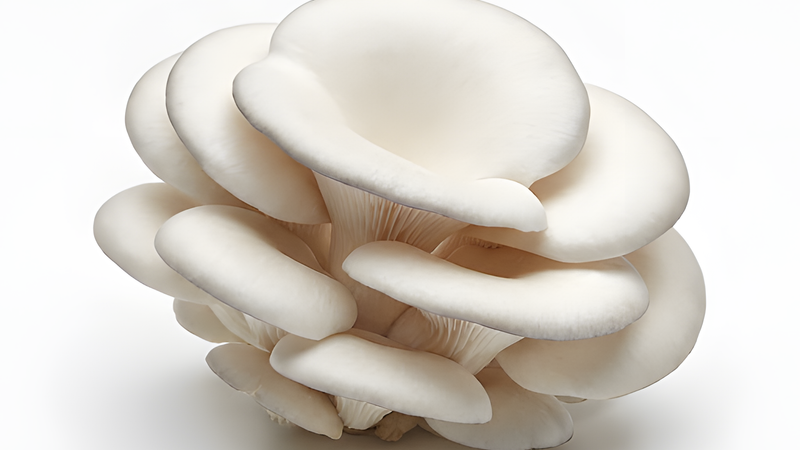
¿Tienen proteínas los champiñones? Una mirada honesta a lo que ofrecen
Sí, los champiñones tienen proteína. Alrededor de 3 gramos por cada 100 gramos de champiñones blancos frescos, lo cual es aproximadamente comparable a la espinaca o el brócoli. Ese número va a decepcionar a cualquiera que espere que los champiñones puedan reemplazar la pechuga de pollo como fuente de proteína. Pero aquí está lo que hace que la proteína de los champiñones valga la pena mencionar de todos modos: contiene los nueve aminoácidos esenciales, lo que lo coloca en un pequeño grupo de proteínas completas de origen vegetal, y los champiñones secos concentran esa proteína de manera dramática una vez que se elimina el contenido de agua. La versión honesta de esta respuesta cubre lo que los champiñones ofrecen, lo que no, y dónde encajan realmente en una dieta alta en proteínas.
La respuesta rápida: ¿De cuánto proteína estamos hablando realmente?
Los champiñones culinarios frescos contienen entre aproximadamente 2 y 4 gramos de proteína por cada 100 gramos de porción (alrededor de una taza en rodajas). Aquí está el desglose por especies comunes:
- Champiñones blancos:3.1 gramos por 100g
- Champiñones cremini (baby bella):2.5 gramos por 100g
- Portobellosetas:2.1 gramos por 100g
- Shiitakesetas:2.2 gramos por 100g (fresco)
- Setas de ostra:3.3 gramos por 100g
- Maitakesetas:1.9 gramos por 100g
- setas:2.7 gramos por 100g
- setas:3.6 gramos por 100g (fresco)
Para contextualizar, la misma porción de 100 gramos de pechuga de pollo aporta alrededor de 31 gramos de proteína. Un huevo grande tiene aproximadamente 6 gramos. Las lentejas cocidas rondan los 9 gramos por 100 g. Los champiñones están mucho más cerca de las verduras de hoja (espinaca con 2.9 gramos, col rizada con 4.3 gramos) que de las legumbres o fuentes animales. Si la cantidad de proteína es el objetivo,os cogumelos são um complemento, não um substituto, para alimentos con mayor contenido de proteínas.
Los champiñones son una proteína completa (la mayoría de las plantas no lo son)
Aquí es donde los champiñones ganan su lugar en una conversación nutricional seria. De los veinte aminoácidos que utiliza el cuerpo humano, nueve no pueden ser sintetizados internamente y deben provenir de los alimentos. La mayoría de los alimentos de origen vegetal carecen o tienen bajos niveles de uno o más de estos aminoácidos "esenciales", razón por la cual la alimentación tradicional basada en plantas combina alimentos (arroz y frijoles, por ejemplo) para llenar los vacíos. Los champiñones contienen los nueve aminoácidos esenciales en cantidades medibles.
Esa distinción técnica importa más de lo que sugiere el modesto conteo de gramos. Una pequeña cantidad de proteína completa contribuye al equilibrio de aminoácidos de una manera que una mayor cantidad de proteína incompleta no lo hace. Para las dietas vegetarianas y veganas en particular, los champiñones funcionan como una de las fuentes de proteína completa más útiles junto con la soja, la quinoa, el trigo sarraceno y las semillas de cáñamo.
El perfil de aminoácidos no es perfecto. La leucina y la lisina, dos aminoácidos importantes para la síntesis de proteínas musculares, están presentes en niveles más bajos en los champiñones que en las fuentes animales. La metionina también está en el extremo inferior. Esto significa que los champiñones son mejor utilizados como parte de una dieta variada en lugar de como una única fuente de proteína, pero el perfil completo les da una ventaja que la mayoría de los alimentos de origen vegetal no tienen.
Champiñones Secos: Donde la Densidad de Proteínas se Vuelve Interesante
Los champiñones frescos son del 90 al 92 por ciento agua. Una vez que se elimina esa agua, el contenido de proteína por gramo se multiplica aproximadamente por diez. Los champiñones shiitake secos contienen alrededor de 9.6 gramos de proteína por cada 100 gramos en su forma seca. Algunas especies, particularmente los porcini y ciertos champiñones silvestres, pueden alcanzar entre el 25 y el 30 por ciento de proteína en peso seco, lo que es realmente comparable a los frutos secos, semillas y algunos granos.
La implicación práctica de esto tiene más que ver con el sabor que con la nutrición. Un puñado de porcini secos mezclados en una salsa o risotto añade umami concentrado y una pequeña pero real cantidad de proteína. Los polvos de champiñones hechos de cuerpos fructíferos deshidratados se pueden espolvorear en caldos, batidos o platos salados como un impulso de proteína y nutrientes de bajo volumen. ShroomSpy'scoleção de pó de cogumelo e extrato testadose basa en productos de cuerpos fructíferos en lugar de micelio sobre grano, lo que hace una verdadera diferencia en el contenido de proteínas y bioactivos por gramo.
Este efecto de concentración es la razón por la cual los ingredientes derivados de hongos están apareciendo cada vez más en barras de proteínas, alternativas de carne a base de plantas y aplicaciones culinarias de alta gama. Las matemáticas de las proteínas funcionan en forma concentrada de una manera que no funciona en forma fresca.
La Pregunta sobre la Biodisponibilidad
bioavailabilityde la proteína dentro de las paredes celulares, lo que significa que tu cuerpo no absorbe el 100 por ciento de lo que se indica en la etiqueta nutricional.
Cocinar mitiga esto significativamente. El calor descompone la quitina y hace que la proteína, junto con la mayoría de los otros nutrientes, sea más accesible. Esta es una de varias razones para siempre cocinar los champiñones culinarios en lugar de comerlos crudos. Estudios que miden la digestibilidad de la proteína de los champiñones cocidos sugieren una absorción en el rango del 70 al 80 por ciento, que es más baja que la proteína animal (típicamente del 90 por ciento o más) pero comparable a muchas legumbres cocidas.
La conclusión es que los gramos que aparecen en la etiqueta nutricional sobrestiman ligeramente lo que realmente absorbes de los champiñones crudos, pero los champiñones cocidos cierran la mayor parte de esa brecha. Para una alimentación práctica, esta advertencia no cambia mucho. De todos modos, deberías cocinar los champiñones, y la proteína que obtienes de los champiñones cocidos es real, completa y útil.
¿Cuándo importa realmente la proteína de champiñones en tu dieta?
La aplicación realista de la proteína de champiñón depende de qué más haya en el plato. Para un consumidor de carne que consume 100 gramos de proteína al día en varias comidas, los champiñones son un pequeño contribuyente y los mayores beneficios son el sabor, la fibra y los compuestos bioactivos. Para una dieta vegetariana o vegana donde las fuentes de proteína completa son limitadas, los champiñones se vuelven más valiosos, particularmente cuando se combinan con granos, legumbres o semillas que complementan su perfil de aminoácidos.
Para la pérdida de peso específicamente, el contenido de proteínas combinado con el muy bajo conteo de calorías le da a los champiñones una relación proteína-caloría inusualmente fuerte. Alrededor del 13 por ciento de las calorías en una porción de champiñones blancos provienen de proteínas, lo que supera a la mayoría de las verduras no almidonadas. Cuando los champiñones reemplazan la carne molida en platos como tacos o salsa de pasta, se pierde algo de proteína total pero se mantiene una cantidad significativa de proteína por caloría, que es la métrica que realmente importa para la saciedad en un plan de restricción calórica.
contexto calórico que faz útil a matemática da proteína de cogumelos, consulta nuestro artículo.
Conclusión
Los champiñones tienen proteínas, y la proteína que contienen es completa de una manera en que la mayoría de las plantas no lo son. La cantidad es modesta en su forma fresca (aproximadamente 3 gramos por cada 100 gramos) y dramáticamente concentrada en su forma seca (hasta un 30 por ciento de proteína en peso). El perfil de aminoácidos tiene algunos puntos débiles en leucina y lisina, y la biodisponibilidad es inferior a la de la proteína animal debido a la quitina en las paredes celulares, aunque la cocción cierra la mayor parte de esa brecha. Como fuente única de proteína, los champiñones se quedan cortos. Como contribuyentes de proteínas completas a una dieta variada, como sustituto de la carne que preserva las proporciones de proteína por caloría, o como un ingrediente en forma seca con una densidad nutricional seria, se ganan su lugar. La versión honesta de la proteína de champiñón es más interesante que la versión inflada del marketing.Mais sobre os cogumelos e seus benefíciostambién se puede encontrar en nuestro sitio web.
¿Listo para llevar tu viaje de micología al siguiente nivel? Naveganossa gama completa de produtos de cogumelosy encuentra todo lo que necesitas para crecer, recolectar y prosperar.
¡Descubre nuestros Hongos Funcionales!
Preguntas frecuentes
Los champiñones culinarios frescos tienen alrededor de 2 a 4 gramos de proteína por cada 100 gramos (aproximadamente una taza en rodajas) — alrededor de 3 gramos para los champiñones blancos, que es similar a la espinaca o el brócoli. Para comparar, 100 gramos de pechuga de pollo tienen alrededor de 31 gramos. Los champiñones son un complemento para alimentos con mayor contenido de proteínas, no un reemplazo.