Mushrooms and Immune System: Do Mushrooms Boost Immunity?
By Louis on 06/18/2026
Do mushrooms boost immunity? A research-backed look at how beta-glucans modulate the immune system, which species deliver the strongest support, and what works.
Mushrooms and the Immune System: Do Mushrooms Boost Immunity?
The relationship between mushrooms and the immune system is one of the most-studied areas in all of nutritional research, and it is also one of the most misrepresented in marketing copy. The honest version: mushrooms contain compounds called beta-glucans that interact directly with specific receptors on immune cells, the mechanism is well-mapped in laboratory and animal research, and a growing body of human clinical evidence supports a real (though modest) effect on immune function. The dishonest version, which dominates supplement advertising, treats this as proof that mushrooms cure colds, prevent disease, and "boost" immunity in the same way caffeine boosts alertness. That framing is wrong on the science, wrong on the language, and wrong on the practical applications. Here is what the research actually shows, which species deliver the strongest immune support, and how to think about mushrooms as part of a broader immune strategy.
Beta-Glucans: The Compounds Doing the Actual Work
If there is one molecule responsible for the immune relationship between mushrooms and the human body, it is beta-glucan. These are long-chain polysaccharides found in the cell walls of fungi, and they have a specific molecular structure (1,3/1,6 beta-D-glucan) that the human immune system recognizes through dedicated receptors on certain cells. The most important of these receptors is called Dectin-1, expressed prominently on macrophages, dendritic cells, and neutrophils. When beta-glucans engage Dectin-1, they trigger a cascade of immune signaling that effectively puts the innate immune system on heightened readiness.
A second receptor, complement receptor 3 (CR3), also recognizes beta-glucans and contributes to the response. Together, these recognition systems mean that beta-glucans do not just pass through your digestive system as fiber. They reach immune-relevant tissues, bind to specific cellular machinery, and produce measurable physiological effects.
The technical distinction worth understanding is that mushrooms are immune modulators, not immune stimulants. A stimulant pushes the immune system in one direction regardless of what it needs. A modulator helps the system respond more appropriately, dialing up activity where it is needed and dialing back where it is not. This is why the same mushroom compounds that appear to help people fight infections also show research interest in conditions involving immune overactivity. The modulation framing is more accurate than the "boost" framing and matters for understanding what these compounds actually do.
Which Mushrooms Have the Strongest Immune Activity
Not all mushrooms are created equal on the immune support front. The species with the most studied and most concentrated immune-active compounds are the medicinal heavyweights, not the everyday culinary varieties. Here is the rough ranking based on research volume and beta-glucan content:
- Turkey tail (Trametes versicolor): Contains polysaccharide-K (PSK) and polysaccharide-peptide (PSP), two of the most clinically studied mushroom compounds. PSK has been approved as an adjunct cancer therapy in Japan since 1977, where it is used alongside chemotherapy under strict medical supervision. This is regulatory recognition, not a treatment claim for general consumers.
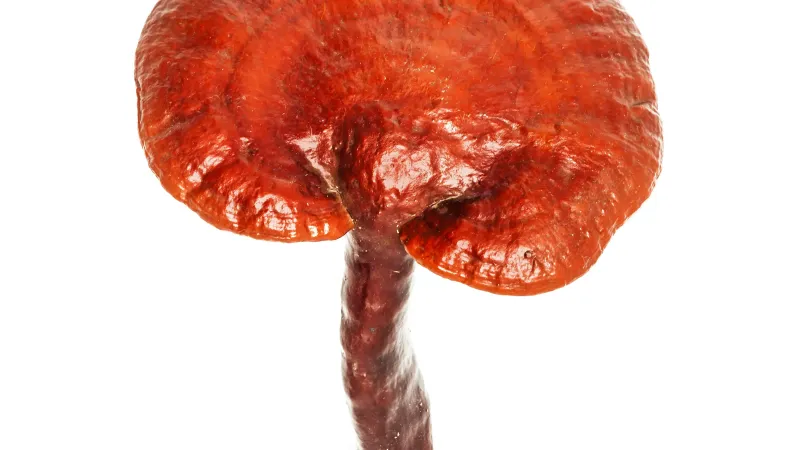
- Reishi (Ganoderma lucidum): Contains a broad range of beta-glucans plus triterpenes called ganoderic acids. Has the longest tradition of use in East Asian medicine and a substantial modern research base, though clinical evidence is uneven.
- Shiitake (Lentinula edodes): Contains lentinan, a specific beta-glucan that has been studied as an adjunct cancer therapy in Japan since the 1980s. Strong evidence base and widely available as both food and supplement.
- Maitake (Grifola frondosa): Contains the D-fraction and MD-fraction beta-glucan complexes, which have been studied for immune modulation and metabolic effects.
- Chaga (Inonotus obliquus): Contains beta-glucans plus a notably high antioxidant load. Less clinical evidence than the species above, but mechanistically interesting.
- Cordyceps (Cordyceps militaris and others): Generally studied more for energy and athletic performance than direct immune effects, though it contains beta-glucans that contribute to immune support.
Common culinary mushrooms like white button, cremini, portobello, and oyster contain beta-glucans too, just at lower concentrations than the medicinal species. Regular consumption of culinary mushrooms still contributes to baseline immune support, just at a smaller scale than concentrated supplements from the higher-content species.
What the Clinical Evidence Actually Shows
This is the section that separates honest reporting from supplement marketing. Mushroom immune research falls into three tiers of evidence quality, and conflating them is how the field gets oversold.
Mechanistic and laboratory evidence (strongest): The cellular biology of how beta-glucans activate immune cells through Dectin-1 and complement receptors is well-established. Hundreds of studies have documented the molecular interactions, the downstream signaling pathways, and the changes in immune cell activity that follow. This work is not in dispute.
Animal and ex vivo studies (strong): Mice, rats, and isolated human cells respond consistently to mushroom-derived beta-glucans with measurable immune changes. Increased natural killer cell activity, enhanced macrophage function, modulated cytokine production, and improved resistance to certain experimental infections all show up reliably in preclinical research.
Human clinical trials (mixed and growing): This is where the picture gets more complicated. A 2020 systematic review published in Nutrients concluded that beta-glucan supplementation showed measurable effects on immune markers in humans, though effect sizes varied widely by source, dose, study design, and outcome measure. Some trials show clear benefits, others show none. The strongest clinical evidence comes from specific isolated compounds (PSK and lentinan) used in oncology settings alongside conventional treatment. For general immune support in healthy adults, the human evidence is suggestive but not definitive.
The honest takeaway: mushrooms do something real to the immune system, the mechanism is mapped, and consistent regular intake is plausibly beneficial. They are not a treatment, a cure, or a guaranteed defense against any specific illness. People who pretend otherwise are selling something. People who deny mushrooms have any immune effect at all are ignoring decades of legitimate research.
How to Actually Use Mushrooms for Immune Support
The practical applications fall into two categories: dietary mushrooms as part of an overall healthy eating pattern, and concentrated supplements for more targeted immune support.
For dietary use, the goal is regular variety rather than peak doses of any single species. Rotating between shiitake, maitake, oyster, and white button mushrooms across multiple meals per week exposes the immune system to a broader range of beta-glucan structures than fixating on one mushroom. Three or more servings per week of mixed culinary mushrooms is the threshold most observational research uses to identify health benefits. Cooking does not destroy beta-glucans (they are heat-stable polysaccharides), so any preparation method works as long as the mushrooms actually get eaten.
For supplement use, species selection and product quality matter more than dose alone. Turkey tail, reishi, maitake, and chaga extracts are the most evidence-supported choices for immune-focused supplementation. Dual-extracted products (using both hot water and alcohol) capture the broadest range of bioactive compounds, since some are water-soluble and others are alcohol-soluble. Most importantly, products should be made from mushroom fruiting bodies and not mycelium grown on grain. The mycelium-on-grain category, which dominates the cheaper end of the market, often contains very low beta-glucan content because the product is largely starch from the growth substrate. A genuine fruiting-body extract with a published certificate of analysis is the only way to know what you are actually getting.
ShroomSpy's functional mushroom collection is curated specifically around tested fruiting-body products with batch-tested beta-glucan content. This is the standard that separates legitimate functional mushroom products from the marketing-driven category fillers.
Safety, Interactions, and Who Should Be Careful
For most healthy adults, both culinary and supplemental mushrooms are well-tolerated and safe. A few situations warrant additional care.
Autoimmune conditions. Because mushroom beta-glucans are immune modulators, people with active autoimmune conditions or those taking immunosuppressive medications should consult a healthcare provider before starting concentrated mushroom supplements. The modulating effect could theoretically interfere with treatment plans, and the research is not yet clear enough to give blanket guidance.
Blood thinners. Reishi has mild blood-thinning properties and may interact with anticoagulant medications like warfarin or with high-dose aspirin therapy. Mention reishi supplementation to your prescriber if you fall into this category.
Immunosuppressants. People taking immune-suppressing medications (for organ transplant, certain cancer treatments, or some autoimmune therapies) should not start mushroom supplements without medical guidance. The same modulating effect that helps some people may complicate treatment in this context.
Pregnancy and breastfeeding. Well-cooked culinary mushrooms are generally considered safe during pregnancy. Concentrated functional mushroom supplements have limited safety data in pregnancy and breastfeeding and should be approached cautiously or avoided unless specifically cleared by an obstetric provider.
Allergies. Mushroom allergies exist but are uncommon. Symptoms can range from mild oral irritation to digestive upset. People with mold allergies sometimes also react to mushrooms.
These statements have not been evaluated by the Food and Drug Administration. The information in this article is educational and is not intended to diagnose, treat, cure, or prevent any disease. Always consult a qualified healthcare provider for personal medical questions.
Conclusion
The relationship between mushrooms and the immune system is more substantial than the average dietary claim and less dramatic than the average supplement advertisement. Beta-glucans engage specific receptors on immune cells, the mechanism is well-mapped, and a growing body of human research supports real (though modest) effects on immune function. The strongest clinical evidence belongs to concentrated extracts from a small group of species (turkey tail, reishi, shiitake, maitake), with PSK and lentinan having decades of regulated medical use in East Asian oncology. For everyday immune support, regular consumption of culinary mushrooms across a few species per week is a low-effort, evidence-supported part of an overall healthy diet. For more targeted support, quality fruiting-body extracts from the higher-content species are where the modern research base actually points. None of this replaces medical care or substitutes for the basics of sleep, nutrition, and physical activity, but it earns mushrooms a real place in the immune support conversation.
Ready to take your mycology journey to the next level? Browse our full range of mushroom products and find everything you need to grow, forage, and thrive.
Check out our Products!
Frequently Asked Questions
Mushrooms contain beta-glucans that engage specific receptors on immune cells and produce measurable changes in immune function. The honest framing is that mushrooms modulate immune activity rather than simply boost it, helping the system respond more effectively rather than just pushing it harder. The mechanism is well-established. The clinical evidence in humans is real but variable, with stronger results for specific concentrated extracts than for general culinary intake.