Mushroom Tincture Guide: Which One Is Right for You
By Josh Shearer on 07/13/2026
What a mushroom tincture is, alcohol vs glycerin, dual extraction, and how to match lion's mane, reishi, cordyceps, or a blend to your goal.
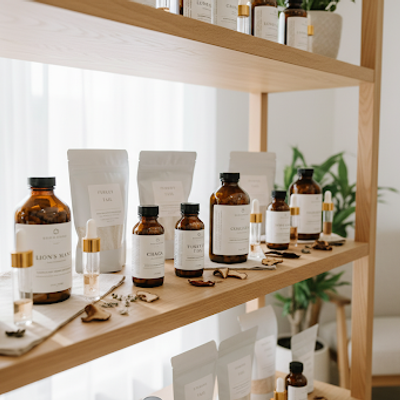
A mushroom tincture is a liquid extract you dose by the dropper, and it has quietly become the most popular way to take functional mushrooms. It is fast to absorb, easy to keep consistent day to day, and, when made properly, it concentrates the compounds that matter into a form your body can actually use. But "tincture" covers a lot of ground, from carefully dual-extracted single-species products to watered-down glycerin novelties. This guide explains what a mushroom tincture is, how to choose one, and which type fits your goal.
What a mushroom tincture actually is
A tincture is a concentrated liquid extract. To make one worth taking, the mushroom is put through extraction that pulls its active compounds out of the tough chitin cell wall. There are two kinds of compound to capture, and they need different solvents. Water-soluble beta-glucans come out with a hot-water simmer. Fat- and alcohol-soluble compounds, like the triterpenes in reishi and chaga, need an alcohol step. A product that uses both is a dual extract, and for species whose benefits depend on triterpenes, dual extraction is the difference between a real product and a weak one. Our dual-extracted pure mushroom tincture is built on exactly this two-solvent approach, and our dual extraction guide walks through the chemistry.
Alcohol versus glycerin
You will see two carrier liquids. Alcohol-based tinctures are the traditional standard: alcohol is an effective solvent, extracts the triterpenes, and preserves the product for years. Glycerin-based tinctures are alcohol-free and sweeter, which some people prefer, but glycerin is a weaker solvent and generally cannot pull the alcohol-soluble compounds as well. If you specifically need alcohol-free, glycerin is fine; if you want the fullest extract, alcohol wins. We compare the two in detail in our note on tincture ingredients: glycerin vs alcohol.
Tincture versus powder
Both are legitimate; they suit different habits. A tincture is pre-extracted, absorbs fast, and is the easiest to dose precisely by the dropper. A powder is more versatile in food and drink and often better value by volume. If you want the deeper comparison, our tincture vs powder bioavailability piece covers it, and our mushroom powder guide covers the powder side.
Which mushroom tincture is right for you
The best tincture depends on what you are after, because each species leans a different way.
For focus and cognitive support, lion's mane is the most-researched choice. For calm and evening wind-down, reishi is the traditional tonic. For energy and physical performance, cordyceps is the one to look at. For immune and gut support, turkey tail and chaga are the usual picks. If you want more than one benefit and do not want to juggle bottles, a blend tincture combines several species in one dropper. Reviews of medicinal-mushroom science support the idea that these effects trace to well-characterized compounds, chiefly beta-glucans and, in reishi and chaga, triterpenes, which is why extraction quality matters so much.
How to choose a good one
Fruiting body, not mycelium-on-grain. The active compounds concentrate in the actual mushroom.
Dual extraction disclosed, especially for reishi, chaga, and blends that include them.
Third-party testing for potency and contaminants such as heavy metals, since mushrooms concentrate whatever is in their substrate.
A stated extract ratio or beta-glucan content, so you know the strength rather than guessing.
How to use a tincture
Take the dropper dose on the label directly under the tongue, or stir it into water, coffee, or tea. Because it is already extracted, heat is not a problem, so a tincture works well in a hot drink. As with all functional mushrooms, the effects research points to build with consistent daily use, so pick a product and a time of day and stick with it for several weeks.
The bottom line
A good mushroom tincture is the most convenient way to get a reliable, pre-extracted dose of functional mushrooms. Choose fruiting body, insist on dual extraction for triterpene species, check for third-party testing, and match the species to your goal, focus, calm, energy, or immune support. Compare lab-tested single-species and blend tinctures in our functional mushroom extracts collection.
Shop mushroom tinctures
Compare single-species and blend tinctures, all lab-tested.
Frequently Asked Questions
A mushroom tincture is a concentrated liquid extract taken by the dropper for functional support. Which one you choose depends on your goal: lion's mane for focus, reishi for calm, cordyceps for energy, and turkey tail or chaga for immune and gut support. Blend tinctures combine several species in one bottle.
References
- Sadowska, A. (2026). Medicinal Mushrooms and Their Bioactive Compounds: From Traditional Use to Therapeutic Potential. .
- Hobbs, C. (2021). Christopher Hobbs's Medicinal Mushrooms: The Essential Guide. Storey Publishing.
- Wasser, S. (2014). Medicinal mushroom science: Current perspectives, advances, evidences, and challenges. .