Are Mushrooms a Superfood? What the Science Says
By Louis on 23/06/2026
Are mushrooms a superfood? The honest answer separates the marketing term from the real nutritional case. A research-backed look at what mushrooms actually offer.
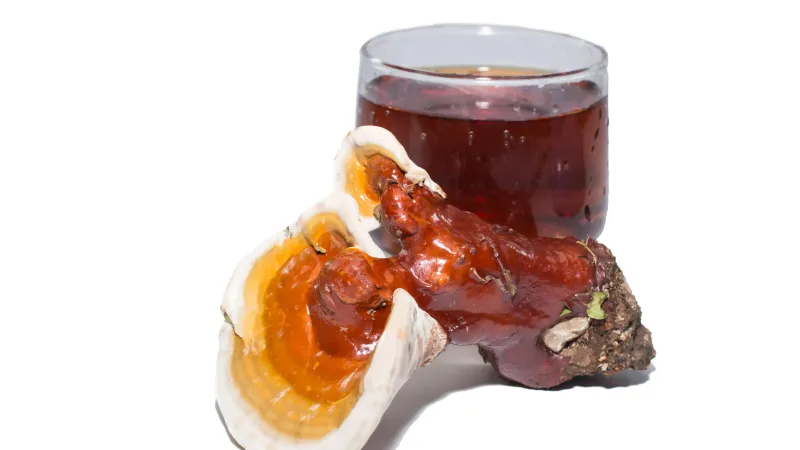
Are Mushrooms a Superfood? What the Science Actually Says
Here is the unsatisfying short answer: "superfood" is not a scientific term, the FDA does not recognize it, and the European Union has actually restricted the word's use in food marketing. So strictly speaking, no food is a superfood, including mushrooms. But here is the more interesting honest answer: if you set aside the marketing baggage and ask the real underlying question (do mushrooms deliver an unusual concentration of beneficial compounds compared to other foods?), the answer is yes. Mushrooms genuinely earn the designation on grounds that most marketing-driven "superfoods" cannot match. They contain compounds you cannot reliably get from any other dietary source, deliver complete protein at very low calorie cost, and stand up well in head-to-head comparisons with the trendy foods that dominate "superfood" lists. The honest framing matters because it lets you understand why mushrooms are worth eating without buying into language that does not survive scrutiny.
What "Superfood" Actually Means (And Why It Is Mostly Marketing)
The word "superfood" entered popular usage in the 1990s and has been a marketing fixture ever since. There is no formal definition. No regulatory body has criteria for what qualifies. No nutritional threshold separates a "superfood" from a regular food. The closest thing to an academic definition is something like "a nutrient-dense food associated with health benefits," which describes most fruits, vegetables, legumes, fish, nuts, and seeds. Functionally, "superfood" means "this is a healthy food I want to sell you."
The EU took this seriously enough to restrict the term's use in marketing back in 2007 unless the claim is backed by specific authorized health information. Authors at the World Cancer Research Fund have publicly called the term meaningless. Most working nutrition researchers will tell you, when pressed, that the concept oversimplifies what is actually a story about overall dietary patterns rather than individual hero foods.
So why use the word at all? Because real readers searching "are mushrooms a superfood" are not asking a marketing question. They are asking a substantive question: are mushrooms nutritionally exceptional, or just mediocre vegetables with a longer shelf life? That is a fair question, and it deserves a real answer.
Why Mushrooms Earn the Designation
If you grant that "superfood" is shorthand for "delivers unusual nutritional density and contains compounds you cannot easily get from other foods," mushrooms qualify on multiple counts.
The first is ergothioneine. This sulfur-containing antioxidant cannot be synthesized by the human body, and mushrooms are by far the richest dietary source. The runner-up foods deliver 30 to 40 times less per gram. Some researchers have proposed ergothioneine functions as a "longevity vitamin" because the body has evolved a dedicated transporter protein for it, suggesting evolutionary importance. You can get many other antioxidants from many other foods. You cannot reasonably get meaningful ergothioneine from anything other than mushrooms or fungal-fermented products.
The second is beta-glucans. These long-chain polysaccharides interact directly with specific receptors on immune cells and produce measurable changes in immune function. Beta-glucans are also found in oats and yeast, but the structural variants in mushrooms (specifically the 1,3/1,6 beta-D-glucan configuration) are particularly active in human immune cells. This is biological activity that ordinary plant fiber does not have.
The third is vitamin D potential. Mushrooms are the only non-animal food capable of producing meaningful amounts of vitamin D, which they do when exposed to UV light. A 3-ounce serving of UV-exposed mushrooms can deliver over 400 IU of vitamin D, comparable to a glass of fortified milk. This is unique among plant foods.
The fourth is the protein and nutrient profile. Mushrooms contain complete protein (all nine essential amino acids), strong levels of selenium and copper, five different B vitamins at meaningful percentages of daily value, and prebiotic fiber, all at roughly 20 to 35 calories per 100-gram serving. The protein-to-calorie ratio outperforms most vegetables and rivals some grains.
These four arguments collectively make a case that few other commonly eaten foods can make. The mushroom "superfood" claim, stripped of marketing language, is grounded in real chemistry and real evolutionary biology.
How Mushrooms Compare to Other "Superfoods"
The classic superfood list reads like a marketing focus group output: blueberries, kale, salmon, acai, goji berries, avocado, chia seeds, quinoa, green tea, and turmeric. Each one is genuinely nutritious and earns a place in a healthy diet. But here is how mushrooms stack up head-to-head on the specific things each is famous for.
Blueberries are celebrated for their antioxidant content. Mushrooms contain ergothioneine at 30 to 40 times the concentration of any plant food including berries, and ergothioneine is held in tissues long-term in a way blueberry anthocyanins are not.
Kale and leafy greens are praised for vitamin and mineral content. Mushrooms outperform most leafy greens on selenium, copper, B vitamins, and the protein-to-calorie ratio, though greens win on vitamin K and calcium.
Quinoa is widely cited as a rare plant-based complete protein. Mushrooms are also complete protein, with all nine essential amino acids, at a fraction of the calories.
Salmon is the gold standard for vitamin D among foods. UV-exposed mushrooms deliver comparable vitamin D content while being substantially less expensive and shelf-stable.
Acai and goji berries are heavily marketed but offer few unique compounds you cannot get from cheaper alternatives. Mushrooms offer compounds (ergothioneine, beta-glucans) that you cannot reasonably get anywhere else.
Turmeric is celebrated for anti-inflammatory compounds, primarily curcumin. Mushrooms contain their own anti-inflammatory profile through beta-glucans, ergothioneine, and species-specific compounds like reishi triterpenes.
The honest conclusion is that mushrooms hold up well against the standard "superfood" lineup, and they outperform most of those foods on at least one unique compound that no other dietary source provides at meaningful levels. They are not a replacement for variety. They are a complement that fills nutritional gaps no other single food fills.
What Mushrooms Do Not Do
The superfood conception of mushrooms also requires acknowledging what mushrooms are not.
They are not a treatment for any disease. They do not cure cancer, prevent dementia, reverse aging, or substitute for medical care. The supplement marketing that suggests otherwise is overstating the research, and ShroomSpy will continue to call that out as long as it appears.
They are not a substitute for a varied diet. Even if mushrooms deliver more ergothioneine and beta-glucans than any other food, you still need vegetables, fruits, whole grains, healthy fats, and adequate protein sources to build an actually healthy diet. Eating five pounds of mushrooms a week and skipping vegetables is worse than eating one pound of mushrooms alongside a normal balanced diet.
They are not all created equal. Common white button mushrooms deliver baseline nutrition. Higher-content species like oyster, king trumpet, lion's mane, and the functional medicinal varieties (turkey tail, reishi, maitake, shiitake) deliver meaningfully more of the unique compounds that make the superfood case. If you are eating mushrooms specifically for nutritional density, species selection matters.
They are not magic. The improvements documented in human research are real but modest. Regular mushroom consumption is one useful component of a healthy life, not a shortcut around the basics of sleep, movement, stress management, and overall diet quality.
How to Eat Mushrooms Like the Nutritional Heavyweights They Are
If you accept the superfood framing on the grounds described above, the practical implications are simple. Eat mushrooms regularly, vary the species, cook them well, and consider concentrated forms for specific compound goals.
For everyday culinary use, three or more servings per week of mixed species (white button, cremini, shiitake, oyster, maitake) gives you broad exposure to the full range of mushroom compounds. Cook them dry first to release water, then add fat to brown. Add them to grain bowls, omelets, stir-fries, soups, sauces, and risottos. Treat them as a vegetable, a protein extender, and a flavor base simultaneously.
For ergothioneine specifically, prioritize oyster, king trumpet, lion's mane, and porcini varieties. For beta-glucan immune support, the medicinal species (turkey tail, reishi, maitake, shiitake) deliver the highest concentrations. For vitamin D, look for UV-exposed mushrooms in your grocery store or expose your own to 30 to 60 minutes of direct sunlight before cooking.
For concentrated functional support beyond what diet alone provides, quality mushroom extracts deliver specific bioactive compounds at doses higher than realistic culinary intake. The key word is "quality." Fruiting-body extracts with batch-tested beta-glucan content are not the same product as mycelium grown on grain. ShroomSpy's tested functional mushroom collection is built specifically around fruiting-body products with full certificates of analysis, which is the only way to know what you are actually getting.
Conclusion
Are mushrooms a superfood? If you take "superfood" literally, no food is, and the term is mostly marketing. If you take it functionally to mean "delivers unusual nutritional density and contains compounds you cannot easily get from other foods," mushrooms qualify more honestly than most of the foods carrying the label. They are the only meaningful dietary source of ergothioneine. They are the only plant source of natural vitamin D. They contain beta-glucans that interact directly with the immune system. They deliver complete protein at very low calorie cost. None of this makes mushrooms a magic food, and none of it substitutes for an actual balanced diet. But it does make them genuinely worth eating, on grounds that hold up to scrutiny in a way that most "superfood" marketing does not.
Ready to take your mycology journey to the next level? Browse our full range of mushroom products and find everything you need to grow, forage, and thrive.
Check out our Products!
Perguntas frequentes
Mushrooms are not nutritionally identical to vegetables, even though the USDA classifies them as such for menu purposes. They outperform most vegetables on protein content, selenium, B vitamins, and bioactive compounds like beta-glucans and ergothioneine. Leafy greens win on vitamin K, calcium, and folate. A varied diet that includes both delivers a broader nutritional profile than either alone.