Are Mushrooms Safe During Pregnancy? Complete Guide
By Louis on 13/07/2026
Are mushrooms safe during pregnancy? Cooked culinary mushrooms generally yes, raw and wild no, supplements need OB guidance. Here is the honest breakdown.
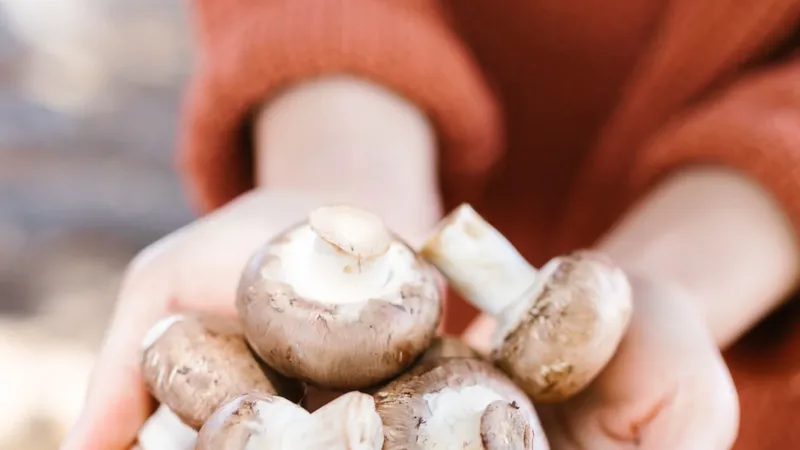
Are Mushrooms Safe During Pregnancy? A Complete Guide
The short answer is that cooked common culinary mushrooms (white button, cremini, portobello, shiitake, oyster, and similar grocery store varieties) are generally considered safe during pregnancy by major medical organizations and offer real nutritional benefits including folate, B vitamins, selenium, and vitamin D. Raw mushrooms present higher risk during pregnancy due to potential foodborne illness contamination, and wild-foraged mushrooms should be strictly avoided under any circumstances. Concentrated functional mushroom supplements are a separate category with very limited safety data in pregnancy, and most sources recommend either avoiding them entirely or approaching them only with direct medical clearance. This is not a case where one blanket answer applies. Here is the complete honest breakdown of what is safe, what is not, and where the uncertainty lies.
The information in this article is educational and is not a substitute for personalized medical advice. Any pregnancy nutrition questions should be discussed with an obstetric provider familiar with your specific health situation.
The Short Answer for Culinary Mushrooms
Common grocery store mushrooms, thoroughly cooked and eaten in normal dietary amounts, are widely considered safe during pregnancy. The American College of Obstetricians and Gynecologists (ACOG) and the CDC do not list culinary mushrooms among foods pregnant people should avoid, and they are treated similarly to other vegetables in mainstream pregnancy nutrition guidance. Species considered safe when properly cooked include:
- White button, cremini, and portobello (Agaricus bisporus at different stages of maturity)
- Shiitake mushrooms
- Oyster mushrooms
- Maitake mushrooms
- Enoki mushrooms
- King trumpet mushrooms
- Lion's mane mushrooms (as a culinary ingredient, not as a supplement)
The key requirements for pregnancy-safe mushroom consumption are cooking thoroughly, choosing high-quality fresh products from reputable sources, washing before preparation, and avoiding the supplement forms of these mushrooms unless cleared by a healthcare provider.
For anyone experiencing food aversions during pregnancy that make mushrooms unappealing, there is no nutritional requirement to consume them. Mushrooms offer benefits but are not essential to a healthy pregnancy diet.
Why Raw Mushrooms Are Higher Risk During Pregnancy
Raw mushrooms are not toxic, and outside pregnancy, they primarily cause mild digestive discomfort due to chitin content. During pregnancy, the concern shifts to foodborne illness risk, which is a genuinely different calculation.
Pregnant people are more susceptible to certain foodborne illnesses (particularly Listeria monocytogenes) and the consequences of infection are more serious. Listeriosis during pregnancy can lead to miscarriage, stillbirth, premature delivery, or serious illness in newborns. Because of this, mainstream pregnancy nutrition guidance emphasizes avoiding foods with higher risk of Listeria contamination, which includes some raw and unwashed produce.
While mushrooms are not among the highest-risk Listeria vehicles (soft cheeses, deli meats, and unpasteurized dairy are considered higher risk), the general principle of thoroughly cooking foods during pregnancy applies to mushrooms as well. Cooking to appropriate temperatures eliminates Listeria and other potential contaminants that raw preparation does not.
The practical guidance is simple. Skip the raw mushrooms on salads during pregnancy. Cooked preparations (sautéed, roasted, grilled, added to soups or sauces) all work and eliminate the small but real risk that raw preparation carries. This is not a dramatic change for most people since cooked mushrooms taste better and are more digestible anyway.
Wild Mushrooms: Absolutely Not
Wild-foraged mushrooms should be strictly avoided during pregnancy under all circumstances. Even for experienced foragers, mushroom identification errors occur, and the consequences of consuming toxic wild species are severe in any adult and catastrophic during pregnancy.
Amatoxin-containing species (death caps, destroying angels, and certain other Amanita species) cause severe liver damage that would be dangerous to both a pregnant person and a developing fetus. Other toxic species can cause seizures, cardiovascular collapse, or gastrointestinal effects severe enough to cause dehydration and complications. There is no scenario in which the potential benefits of foraged wild mushrooms outweigh the risk during pregnancy.
This includes mushrooms identified with high confidence by experienced foragers, mushrooms from familiar local patches, and species considered widely edible in their region. The safety margin during pregnancy is too small for any level of misidentification risk.
If you or a pregnant partner has ingested a wild mushroom, contact Poison Control at 1-800-222-1222 in the United States immediately, along with your obstetric provider or emergency medical care. Do not wait for symptoms. Amatoxin symptoms can be delayed by 6 to 24 hours and early treatment dramatically improves outcomes.
The Actual Nutritional Case for Cooked Mushrooms During Pregnancy
Cooked culinary mushrooms offer several nutrients that are particularly relevant during pregnancy. This is not a claim that mushrooms are necessary during pregnancy, but they do earn a place in pregnancy nutrition for readers who enjoy them.
Folate. Adequate folate intake is critical during pregnancy, particularly in early pregnancy, for preventing neural tube defects. Mushrooms deliver modest amounts of folate, which contribute to overall folate intake alongside prenatal vitamins and other folate-rich foods (leafy greens, legumes, fortified grains).
B vitamins. Pregnancy increases requirements for several B vitamins including riboflavin, niacin, and pantothenic acid. Cooked mushrooms deliver meaningful amounts of all three, particularly pantothenic acid at roughly 30 percent of the daily value per 100-gram serving.
Selenium. Important for thyroid function and antioxidant defense. Recommended intake increases slightly during pregnancy. Cooked shiitake and cremini mushrooms are among the better dietary sources.
Vitamin D (with UV exposure). Vitamin D is critical during pregnancy for fetal skeletal development and maternal bone health. UV-exposed mushrooms (either commercially treated or DIY sun-exposed) deliver meaningful vitamin D as one of the only plant-source options available.
Fiber. Constipation is common during pregnancy due to hormonal changes affecting gut motility. The fiber in mushrooms (chitin and beta-glucans) contributes to overall fiber intake and gut function, though mushrooms are not a fiber powerhouse compared to legumes or whole grains.
Complete protein. Protein needs increase during pregnancy. Mushrooms deliver small but complete protein contributions to overall daily intake.
Copper and potassium. Both minerals matter during pregnancy and both are found in useful amounts in most culinary mushrooms.
Concentrated Mushroom Supplements: The Section That Matters Most
This is the section that pregnant readers should pay closest attention to, because it addresses the products where the risk profile is genuinely different from culinary consumption.
Concentrated functional mushroom supplements (reishi, chaga, cordyceps, turkey tail, lion's mane extracts, mushroom powders, tinctures, and capsules) have very limited safety data in pregnancy. The reasons this matters:
No large clinical trials in pregnant populations. Pregnancy research is ethically complicated, and most functional mushroom supplement research has excluded pregnant participants. The result is that the safety profile in pregnancy is largely unknown, not because there is evidence of harm but because there is very little evidence of any kind.
Immune modulation effects. Pregnancy involves significant immune system changes to allow the developing fetus to be tolerated. Beta-glucans and other compounds that modulate immune function could theoretically interact with these changes in ways that are not well characterized.
Blood-thinning effects. Reishi has documented mild blood-thinning properties. Blood clotting during pregnancy is already altered and increased bleeding risk during delivery is a real concern.
Bioactive compounds with limited safety profiles. Triterpenes, polysaccharides, and other compounds in concentrated extracts have not been evaluated for fetal safety at supplement-level doses.
Quality control issues. Some mushroom supplements have been flagged for heavy metal content (particularly chaga) or contamination. The additional caution warranted during pregnancy makes product quality variability a greater concern.
The mainstream guidance from most obstetric providers and reputable sources is to avoid concentrated functional mushroom supplements during pregnancy unless there is a specific reason to use them under direct medical supervision. This is a case where the precautionary principle applies. Without evidence establishing safety, the responsible position is to defer supplementation until after pregnancy and breastfeeding.
Products commonly flagged for avoidance during pregnancy:
- Reishi (any form)
- Chaga (any form)
- Cordyceps (any form)
- Turkey tail (any form)
- Lion's mane concentrated extracts (culinary lion's mane in food form is fine)
- Any "adaptogenic mushroom" blends
- Mushroom coffee blends containing functional mushroom extracts
If you were taking any of these products before knowing you were pregnant, do not panic. Discontinue use and mention it at your next obstetric appointment. Brief prior use is unlikely to have caused problems, but continuing use during pregnancy is not appropriate without specific medical guidance.
What to Do If You Have Concerns About Something You Have Already Eaten
If you have eaten cooked culinary mushrooms during pregnancy, there is nothing to be concerned about. This is a normal, safe part of pregnancy nutrition.
If you have eaten raw mushrooms during pregnancy without any symptoms of foodborne illness, the risk was low and the likely outcome is nothing at all. Monitor for symptoms of foodborne illness (fever, diarrhea, muscle aches) and contact your provider if any develop.
If you have consumed functional mushroom supplements early in pregnancy before knowing you were pregnant, discontinue use immediately and mention this at your next prenatal appointment. Brief prior exposure is unlikely to have caused harm, but continued use should be discussed with your provider.
If you have eaten a wild-foraged mushroom, contact Poison Control at 1-800-222-1222 and your obstetric provider immediately, regardless of whether symptoms are present.
If you are experiencing any concerning symptoms after mushroom consumption during pregnancy, contact your obstetric provider or emergency medical care. This is not a situation for internet research.
Talk to Your Doctor
Situations where discussing mushroom consumption with your obstetric provider is genuinely warranted:
- You want to use concentrated functional mushroom supplements for any purpose.
- You are already taking mushroom supplements and just discovered you are pregnant.
- You have a specific medical condition affecting your pregnancy and are considering dietary changes.
- You have known allergies or sensitivities to fungi or molds.
- You have experienced unusual symptoms after eating mushrooms during pregnancy.
- You have questions specific to your health situation that this article cannot answer.
Obstetric providers vary in their familiarity with functional mushroom products, and it is worth being specific about what you are asking about. Bringing the actual product label or a photo of it to your appointment is more useful than a general question.
These statements have not been evaluated by the Food and Drug Administration. The information in this article is educational and is not intended to diagnose, treat, cure, or prevent any disease. Always consult a qualified obstetric provider for personal medical questions during pregnancy.
Conclusion
Cooked common culinary mushrooms are generally safe during pregnancy and contribute useful nutrition including folate, B vitamins, selenium, and (with UV exposure) vitamin D. Raw mushrooms carry higher risk during pregnancy due to potential foodborne illness contamination and should be cooked. Wild-foraged mushrooms should be strictly avoided under all circumstances due to the catastrophic risk of misidentification. Concentrated functional mushroom supplements have very limited safety data in pregnancy, and the responsible position is to avoid them unless specifically cleared by an obstetric provider. This is not a case where enthusiasm for functional mushrooms should override caution, and pregnancy is short enough that deferring supplement use until after pregnancy and breastfeeding is a reasonable choice. Eat cooked mushrooms if you enjoy them, skip the concentrated supplements, and bring specific questions to your provider.
Check out our Products!
Perguntas frequentes
Yes, portobello mushrooms are generally considered safe during pregnancy when thoroughly cooked and eaten in normal dietary amounts. They are the same species as white button and cremini mushrooms at a different stage of maturity. Grilled or roasted preparations are excellent pregnancy-friendly options. Avoid raw portobello due to the general food safety principle of cooking foods thoroughly during pregnancy.